strait of hormuz
strait of hormuz on World Data Ocean: a running collection of 143 stories we have gathered and hand-picked because they are worth your time. Every post here touches on strait of hormuz in some way — the news, the analysis, the deep dives, and the occasional surprise find. A Global Hub for Ocean Intelligence 4 World Data Ocean is a centralized digital platform where researchers, scientists, and ocean enthusiasts converge to explore, analyze, and… New stories are added to this page as we find them, so check back if you want to keep up with what is happening around strait of hormuz, or subscribe to the RSS feed to get them as soon as they are published. Browse the collection below, or head back to the homepage to see everything World Data Ocean is covering right now.
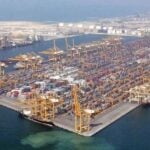
Dubai’s Jebel Ali Port Falls Out Of Global Top 30 As Strait Of Hormuz Disruption Cuts Gulf Traffic
Jebel Ali Port, a historically prominent hub, has fallen out of the global top 30 container ports, experiencing a dramatic 60% decline in throughput during the first half of 2026. Handling just 3.14 million TEU compared to 7.77 million TEU a year prior, the shift reflects significant disruption to traffic through the Strait of Hormuz. This constriction impacts vital Gulf trade routes, as evidenced by recent convoys of oil tankers requiring U.S.
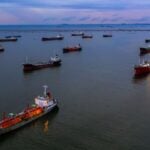
40 Oil Tankers Loaded With 18 Million Barrels Of Oil For Asia Cross Hormuz Under U.S Naval Escort
A significant maritime event unfolded Tuesday as 40 oil tankers, collectively carrying approximately 18 million barrels of crude oil, transited the Strait of Hormuz en route to Asia. This movement occurred under the protective escort of U.S. Navy vessels, highlighting ongoing geopolitical considerations in vital shipping lanes. The incident underscores the complexities of global energy transport and maritime security. For further context on related maritime incidents, see our analysis of the MV BARYON and its recent encounter.
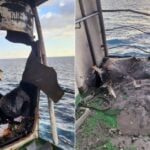
Cargo Ship Carrying 23 Indian Seafarers Catches Fire After Drone Strike En Route To Pakistan
The MV Baryon, IMO number 9151412, a cargo ship en route to Karachi from Novorossiysk, Russia, has sustained significant damage following a drone strike. The vessel was carrying 23 Indian seafarers at the time of the incident. Initial reports indicate a fire onboard, and the situation remains under assessment. This event underscores escalating maritime security concerns in critical waterways.
Red Sea Nations Strengthen Maritime Cooperation as Regional Threats Grow
Heightened security concerns in the Red Sea are prompting increased maritime collaboration among regional nations. Ethiopia, Yemen, Djibouti, and Somalia are actively strengthening partnerships to address escalating threats including piracy, trafficking, and broader regional instability. This coordinated effort underscores the growing importance of maritime security in a strategically vital waterway. For further insights into innovative shipping initiatives, explore our recent article on the "Pink Corridor Project" and its potential to reshape transatlantic trade routes.

U.S President Donald Trump Suggests Renaming Strait Of Hormuz ‘Trump Strait’
Recent geopolitical developments in the Strait of Hormuz have included a proposal by former U.S. President Donald Trump to rename the vital waterway “Trump Strait,” citing U.S. control of the area. This suggestion follows escalating tensions, including recent U.S. military actions targeting Iranian tankers—part of a new “Tanker-for-Tanker” policy. The Strait’s strategic importance is underscored by the ongoing need for robust maritime safety measures; for instance, Inmarsat’s analysis of over 100,000 safety broadcasts highlights weather as a primary driver of maritime emergencies.
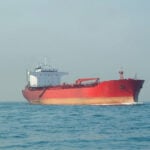
2 Filipino Seafarers Killed After Attack On Saudi Oil Tanker In Strait Of Hormuz
A recent incident in the Strait of Hormuz highlights escalating maritime security concerns. On August 31st, a Saudi oil tanker was struck by three projectiles, resulting in the tragic deaths of two Filipino seafarers. The UK Maritime Trade Operations confirmed the attack, underscoring the vulnerability of critical shipping lanes. This event follows previous tensions in the region and reinforces the need for enhanced security protocols. For further context on maritime recognition, see our article, "UK Honours Maritime Heroes With 2026 Merchant Navy Medals."

U.S. Strikes 2 Iranian Government Tankers Under New ‘Tanker-for-Tanker’ Policy In Strait Of Hormuz
Recent escalations in the Strait of Hormuz have seen the U.S. military directly target two Iranian government-owned tankers, marking the initial implementation of a new “tanker-for-tanker” policy in response to prior attacks on commercial vessels. This action represents a significant shift in U.S. regional strategy. Longitudinal data indicates heightened tensions in the area, with concerns extending beyond the immediate waterway. Further analysis of potential destabilizing factors, including reported IRGC plans, can be found in our related article, "Iran’s IRGC Unit 4000 Plans Attacks..."

Iran’s IRGC Unit 4000 Plans Attacks On Ships, Waterways And Ports In East Asia, Sources Say
Intelligence sources report Iran's Islamic Revolutionary Guard Corps (IRGC) Unit 4000 is developing plans for attacks targeting commercial ships, waterways, and critical port infrastructure throughout East Asia. Specific targets reportedly include China’s Ningbo-Zhoushan and Shanghai ports, alongside Indonesia’s Tanjung Priok Port. This development underscores escalating regional tensions and potential disruptions to global maritime trade routes. For further context on naval technology advancements, see our recent report on Rolls-Royce’s U.S. Navy certification for mtu engines.
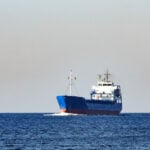
Iran Seizes Bulk Carrier After Alleged Oil And Sludge Discharge In Strait Of Hormuz
Recent maritime incidents in the Strait of Hormuz underscore ongoing regional complexities. Iranian authorities have seized a bulk carrier following reports of an oil and sludge discharge, initiating judicial proceedings. This action follows a series of events, including Iran’s reported downing of a U.S. MQ-9 Reaper drone in the same waterway, as detailed in our related article. The incident highlights the critical importance of environmental monitoring and adherence to maritime regulations within this vital global trade route.
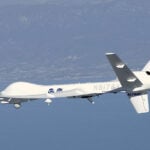
Iran Says It Shot Down US MQ-9 Reaper Drone Over Strait Of Hormuz
Tensions escalated in the Strait of Hormuz as Iran’s Islamic Revolutionary Guard Corps (IRGC) reported intercepting and downing a U.S. MQ-9 Reaper drone. The MQ-9 Reaper, a medium-altitude, long-endurance unmanned aircraft manufactured by General Atomics, is a critical asset for surveillance and reconnaissance. This incident follows a period of heightened regional instability and underscores the complex geopolitical dynamics in the Persian Gulf.
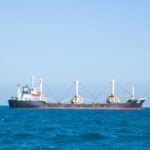
14 Pirates Killed By Turkish Navy & Somalia’s Armed Forces In 10-Day Operation To Free Hijacked Vessel MV LUTUF
A recent, decisive operation involving the Turkish Navy and Somalia’s Armed Forces resulted in the neutralization of 14 pirates over a ten-day period. This action successfully concluded the hijacking of the MV LUTUF, demonstrating a commitment to maritime security in a critical region. The incident underscores escalating tensions in the Horn of Africa and the ongoing challenges to global shipping lanes.

Iran Says It Prevented 30 Ships From Crossing Strait Of Hormuz Outside Approved Route Since Aug. 22
Since August 22nd, Iran has reported preventing approximately 30 ships from traversing the Strait of Hormuz outside designated channels. Prior to the commencement of hostilities in January 2026, over 1,500 oil tankers and 1,700 commercial vessels routinely utilized the approved route. This action underscores heightened tensions in a critical maritime chokepoint. For context on broader naval deployments in the region, see our recent coverage of the USS Abraham Lincoln's extended deployment. These developments necessitate careful monitoring of maritime security and potential impacts on global trade.
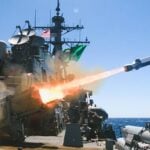
U.S. Strikes 2 Iranian Rocket Launchers Over Strait Of Hormuz Mine Threat, Iran Vows To Retaliate
Recent escalations in the Strait of Hormuz saw U.S. forces strike two Iranian rocket launchers following a reported mine threat. This action, confirmed by U.S. Central Command, has prompted a strong response from Iran, with IRGC spokesman General Hossein Mohebi characterizing the strikes as a “fatal mistake.” The incident underscores heightened tensions in a critical maritime chokepoint.
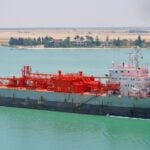
Iran’s Supreme Leader Mojtaba Khamenei Urges Muslim Nations To Recognise ‘Real Enemy’ As Hormuz Traffic Falls To New Lows
Amidst a notable decline in traffic traversing the Strait of Hormuz—reaching new lows—Supreme Leader of Iran, Mojtaba Khamenei, has issued a directive to Muslim nations, urging unified recognition and confrontation of what he identifies as their “real enemy.” This pronouncement arrives as Iran reports preventing over 30 ships from utilizing approved routes since August 22nd, highlighting escalating tensions in a critical maritime chokepoint.

Iran Urges Nations To Reject New U.S Sanctions As Talks Focus On Reopening Strait Of Hormuz
Iran has formally condemned newly proposed U.S. sanctions as "economic terrorism," citing potential risks to civilian health and livelihoods. This escalation occurs as diplomatic discussions center on reopening the Strait of Hormuz, a critical waterway for global maritime trade. The situation generates significant uncertainty, as evidenced by the ongoing challenges faced by thousands of seafarers and hundreds of ships navigating the region—a situation detailed further in our report, "6,000 Seafarers And 400 Ships Remain Trapped Amid Six Months Of Strait Of Hormuz Uncertainty."
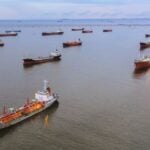
6,000 Seafarers And 400 Ships Remain Trapped Amid Six Months Of Strait Of Hormuz Uncertainty
The ongoing conflict in the Middle East has created a protracted crisis for maritime navigation, with approximately 6,000 seafarers and 400 ships currently trapped in the Strait of Hormuz since February 28th. This situation underscores the escalating risks to global trade and highlights the need for enhanced maritime security measures. The uncertainty impacts critical shipping lanes and raises concerns regarding crew welfare and supply chain stability.
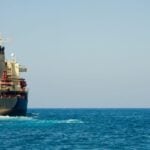
Indian Oil Tanker Turns Back After Iranian Warship Warning In Strait Of Hormuz
Recent maritime tensions in the Strait of Hormuz escalated when the Indian Oil tanker *HAANA* reversed course following a warning from a large Iranian warship. The incident occurred as the vessel attempted to utilize the “Oman corridor,” a southern shipping route. This event underscores the ongoing risks to commercial shipping despite a relative easing of direct conflict between the United States and Iran.
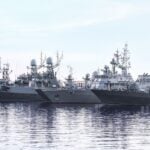
Royal Navy Led Multinational Task Force Prevents 25 Piracy Attempts In Indian Ocean During 6-Month Deployment
A Royal Navy-led multinational task force has demonstrated significant success in maritime security, preventing 25 piracy attempts during a recent 6-month deployment in the Indian Ocean. Combined Task Force 151’s efforts have effectively curtailed piracy-related activities, maintaining stability in a critical shipping lane. This achievement underscores the importance of collaborative international efforts in safeguarding global trade routes. For further context on regional maritime dynamics, see our related article, "Iran And Oman Reach Agreement On Strait Of Hormuz Control And Revenue Sharing.”
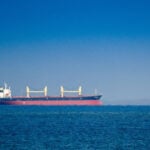
Iran And Oman Reach Agreement On Strait Of Hormuz Control And Revenue Sharing
A significant development emerged this week as Iran and Oman finalized an agreement concerning control and revenue sharing within the Strait of Hormuz. This accord aims to stabilize a critical maritime chokepoint vital for global energy transport, though commercial shipping continues to face inherent risks despite reduced direct conflict between the United States and Iran. The agreement represents a calibrated step toward regional de-escalation, though ongoing tensions necessitate vigilant monitoring.
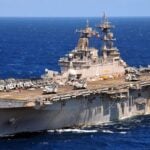
U.S Navy’s USS Boxer Slated For Up To $180 Million Overhaul After Middle East Deployment
Following a recent deployment to the Middle East, the U.S. Navy’s USS Boxer, an amphibious assault ship, is scheduled for a comprehensive overhaul at BAE Systems’ San Diego facility. The project, estimated to cost up to $180 million, will extend through October 2028 and encompass significant system upgrades and maintenance. This extensive refurbishment underscores the Navy’s commitment to maintaining operational readiness in strategically vital waterways.

Tanker Catches Fire After Being Hit By ‘Unknown Projectile’ In Strait Of Hormuz
A commercial tanker sustained significant damage after being struck by an unidentified projectile in the Strait of Hormuz, a critical waterway for global trade. Recent tensions have escalated as Iran has reportedly targeted vessels accused of deviating from designated routes and attempting to impose transit fees. This incident follows a period of increased maritime activity, including the extended deployment of the US Navy aircraft carrier *Abraham Lincoln*, as detailed in a related article.
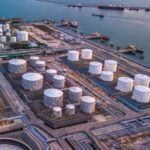
Japan Plans To Build Pipeline Network Through Strait of Hormuz To Secure Energy Supplies
Japan is strategically addressing energy security concerns by planning a pipeline network circumventing the Strait of Hormuz. This initiative aims to mitigate reliance on this critical maritime chokepoint, historically vulnerable to geopolitical instability. The move reflects a broader trend of nations seeking diversified energy pathways and reduced dependence on single transit routes.

Trump Says U.S. Navy Has Cleared All Mines From Strait Of Hormuz Shipping Lane, Warns Iran
Recent reports indicate that the U.S. Navy has completed a mine-clearance operation within the critical Strait of Hormuz shipping lane, according to statements by former President Trump. This Traffic Separation Scheme, a primary international route, was the focus of the effort, intended to ensure continued maritime traffic. The move comes amidst heightened tensions with Iran, which has been warned against further disruption. For further context on regional navigation strategies, see our article, "Iran, Oman Discuss Temporary Shipping Corridor Through Strait Of Hormuz."

Only 2 Commodity Ships Transited Strait of Hormuz, Lowest Daily Tally Since May
Recent data indicates a concerning trend in the Strait of Hormuz, with only two commodity ships transiting the critical waterway – the lowest daily tally since May. This development coincides with Iran’s pledge to retaliate against U.S. sanctions targeting its economic stability. The reduced maritime traffic raises potential concerns regarding regional trade and stability. For context on broader U.S. naval deployments in the region, see our article, "US Navy Aircraft Carrier Abraham Lincoln To Dock In Thailand.