Iran Seizes Bulk Carrier After Alleged Oil And Sludge Discharge In Strait Of Hormuz
Our take
The recent seizure of a bulk carrier by Iranian authorities following allegations of oil and sludge discharge in the Strait of Hormuz underscores a persistent challenge to maritime environmental stewardship and regional stability. Incidents of illegal dumping at sea, particularly in strategically vital waterways like the Strait of Hormuz, represent a significant threat to marine ecosystems and global trade. The Strait, a narrow chokepoint connecting the Persian Gulf to the Sea of Oman and the Arabian Sea, sees approximately a third of the world’s oil transit daily, making it critically vulnerable to disruption. This event follows a series of concerning maritime incidents in the region, including the grounding of a cargo ship damaged by Ukrainian drones [Ghost Ship Damaged By Ukrainian Drones Drifts Across Black Sea & Runs Aground In Turkiye] and earlier tensions surrounding the downing of a US MQ-9 Reaper drone [Iran Says It Shot Down US MQ-9 Reaper Drone Over Strait Of Hormuz]. The escalating geopolitical landscape further complicates efforts to monitor and enforce environmental regulations at sea.
The judicial proceedings currently underway in Iran highlight the complexities of investigating and prosecuting maritime pollution cases. Establishing definitive proof of illegal discharge can be challenging, requiring meticulous data collection and analysis. While Iran’s claim that the pollution has been cleaned up is a positive initial step, the long-term environmental consequences require thorough, validated assessment. Independent, peer-reviewed studies employing integrated data ecosystems, including satellite imagery and in-situ measurements, are crucial to determining the full extent of the damage and the effectiveness of remediation efforts. The incident also raises questions regarding the vessel's operational protocols and the effectiveness of onboard waste management systems. The presence of the US Navy aircraft carrier Abraham Lincoln in the region [US Navy Aircraft Carrier Abraham Lincoln Passes Through Singapore Strait En Route To Thailand After More Than 250 Days At Sea] further emphasizes the heightened security concerns and the potential for miscalculation in this volatile environment. Accurate, real-time ocean intelligence, incorporating climate indicators and predictive modeling, is increasingly vital for proactive risk mitigation.
Beyond the immediate environmental and legal ramifications, this event serves as a stark reminder of the need for enhanced international collaboration in maritime monitoring and enforcement. The vastness of the oceans and the increasing complexity of global shipping operations necessitate a coordinated approach, leveraging technological innovation and data sharing to detect and deter illegal activities. Standardized protocols for reporting and investigating pollution incidents, coupled with robust sanctions for non-compliance, are essential. Furthermore, promoting a culture of environmental responsibility within the maritime industry through education and training programs is paramount. The integrated data ecosystem needed to support this requires significant investment in sensor technology, data analytics, and satellite observation capabilities, enabling calibrated, longitudinal assessments of ocean health and providing empirical evidence for informed decision-making.
Ultimately, the incident involving the bulk carrier demands a broader examination of the governance structures and operational practices governing maritime transport. While the immediate focus is on the judicial proceedings and the assessment of environmental damage, the underlying question remains: how can we create a more sustainable and accountable maritime industry that prioritizes ocean stewardship and minimizes the risk of future incidents? The reliance on reactive measures, such as post-incident investigations and seizures, is insufficient. A proactive, data-driven approach, underpinned by robust international cooperation and technological innovation, is required to safeguard the health of our oceans and ensure the stability of global trade routes. What new methodologies for verifying vessel compliance and detecting illegal discharges will be implemented to prevent similar events in the future?
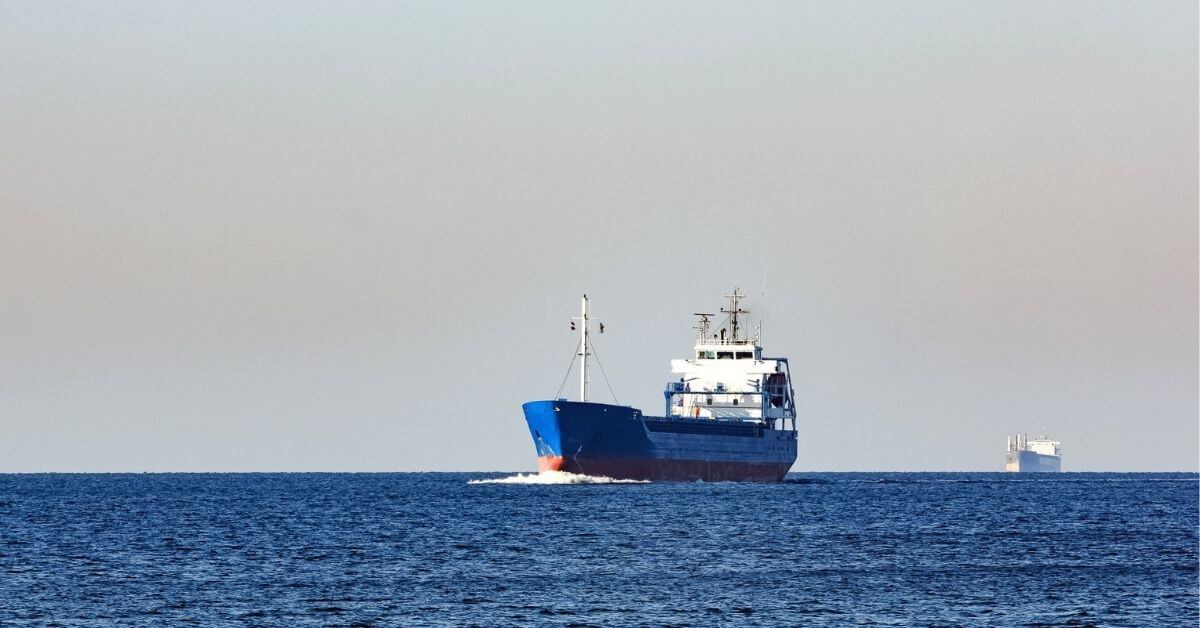
Iranian authorities have seized a bulk carrier carrying sugar after accusing it of dumping oil, bilge water and industrial sludge into the Strait of Hormuz, state media reported on Monday.
Esmaeil Makizadeh, deputy head of Hormozgan’s Ports and Maritime Department, told IRNA that the vessel was seized after images showed oil being discharged into the sea.
“Following the publication of images of the discharge of oil into the sea… expert and clean-up teams were dispatched to the site and seized the ship causing the pollution,” Makizadeh said.
He said the bulk carrier had dumped a mixture of burnt oil, bilge water and industrial sludge directly into the sea. The department said the pollution spread into several small slicks because of sea currents, but clean-up teams contained the waste.
The waste has since been removed from the water, and the vessel has been handed over to the judiciary, Makizadeh said.
Iranian authorities did not identify the ship or say which country it was flagged in. They also did not provide the nationalities of the crew.
The seizure comes after several oil spills in the region in recent weeks. Iran has demanded compensation over some of the incidents, including an oil spill near its Qeshm island.
Earlier in August, an oil slick was also spotted near neighbouring Oman after a tanker ran aground.
AFP found that the tanker had been stranded for weeks near Oman’s Al-Qibliyyah island after explosions damaged it.
Iran has maintained control over the Strait of Hormuz since the outbreak of the Middle East war in February.
Iran has also said it plans to charge fees on vessels passing through the strait to help pay for services, including environmental protection. The United States strongly opposes the proposed fees.
The bulk carrier remains under judicial proceedings in Iran after authorities said the pollution had been cleaned up.
References: wionews, straitstimes
Read on the original site
Open the publisher's page for the full experience