Tanker Catches Fire After Being Hit By ‘Unknown Projectile’ In Strait Of Hormuz
Our take

The recent incident of a tanker being struck by an “unknown projectile” in the Strait of Hormuz represents a concerning escalation in an already volatile geopolitical landscape. Iran's increasingly assertive actions regarding maritime traffic, including accusations of vessels bypassing preferred routes and attempts to impose transit tolls, have contributed to a heightened risk profile in this critical waterway. This event follows a pattern of escalating tensions, as evidenced by previous reports of mine-clearance operations Trump Says U.S. Navy Has Cleared All Mines From Strait Of Hormuz Shipping Lane, Warns Iran and historically low transit numbers Only 2 Commodity Ships Transited Strait of Hormuz, Lowest Daily Tally Since May, suggesting a deliberate strategy to exert control over the region’s maritime domain. The ambiguity surrounding the projectile's origin only serves to exacerbate the uncertainty and potential for miscalculation.
The Strait of Hormuz is, of course, a vital artery for global trade, carrying an estimated 30% of the world’s seaborne oil. Disruptions to this flow have profound economic implications, impacting energy markets and global supply chains. Iran's actions, coupled with the extended deployments of naval assets like the US Navy's Abraham Lincoln US Navy Aircraft Carrier Abraham Lincoln To Dock In Thailand After Record 200 Days At Sea, underscore the complex interplay of national interests and security concerns in the region. While Iran cites U.S. sanctions as justification for its actions, the targeting of commercial vessels raises serious questions about adherence to international maritime law and the safety of navigation. The lack of clarity surrounding the projectile—whether it was a missile, drone, or another type of weapon—further complicates the situation, hindering efforts to de-escalate tensions and establish accountability.
The broader significance of this incident extends beyond the immediate impact on shipping lanes. It highlights the fragility of maritime security in regions characterized by geopolitical instability and underscores the need for robust, validated data and integrated monitoring systems. World Data Ocean’s focus on ocean intelligence, derived from calibrated, real-time data, is increasingly relevant in such scenarios. Accurate, empirically-derived assessments of vessel movements, potential threats, and environmental conditions can provide critical insights for maritime authorities and commercial operators, enabling them to make informed decisions and mitigate risks. Longitudinal data analysis, for instance, could reveal patterns in Iranian maritime behavior, allowing for more predictive risk assessments.
Looking ahead, the incident in the Strait of Hormuz demands a renewed focus on multilateral diplomacy and cooperative maritime security initiatives. The risk of further escalation remains significant, particularly given the potential for misinterpretation and unintended consequences. A critical question to watch is whether the international community will respond with a unified and proportionate approach, balancing the need to deter aggression with the imperative of maintaining open and secure trade routes. The effectiveness of existing maritime domain awareness systems, and the ability to rapidly validate information from multiple sources, will be crucial in preventing future incidents and ensuring the stability of this strategically vital waterway.
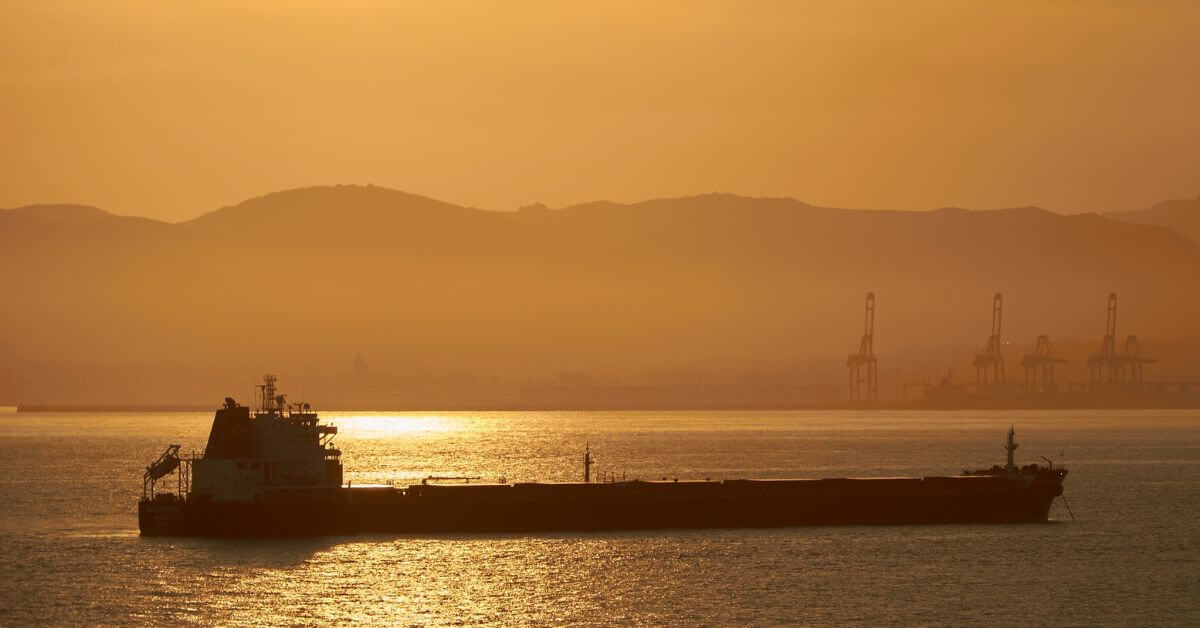
A tanker was hit by an “unknown projectile” in the Strait of Hormuz this week, causing a fire that was later put out, the United Kingdom Maritime Trade Operations (UKMTO) said on Thursday.
The incident happened near Khasab, a coastal city in Oman, and was reported to UKMTO on Tuesday. All crew members were safe, and there was no reported environmental damage.
The agency did not identify the tanker or provide its nationality or direction of travel. Authorities are investigating the incident.
UKMTO advised ships passing through the Strait of Hormuz to remain cautious and report any suspicious activity.
Tensions between the United States and Iran continue to rise. Iran has effectively blockaded the Strait of Hormuz since the United States and Israel attacked Iran in late February.
Iran has attacked vessels it accuses of bypassing its preferred route and has tried to charge tolls to vessels passing through the waterway.
The Strait of Hormuz is one of the world’s most strategically important choke points. Any security incident there can affect shipping operations in the area.
The United Stated has increased economic pressure on Iran. U.S. Treasury Secretary Scott Bessent said on Monday that Washington was pursuing the “economic asphyxiation” of Iran.
Iranian President Masoud Pezeshkian said on Wednesday that the new U.S. sanctions “will not achieve anything”. Iran also blacklisted 45 tankers this week, saying they had violated its rules for transiting the Strait of Hormuz.
Read on the original site
Open the publisher's page for the full experience