Japan Plans To Build Pipeline Network Through Strait of Hormuz To Secure Energy Supplies
Our take
Japan’s announced plan to construct a pipeline network circumventing the Strait of Hormuz represents a significant development with far-reaching implications for global energy security and maritime strategy. The Strait, a narrow waterway connecting the Persian Gulf to the Gulf of Oman and the Arabian Sea, is a critical chokepoint through which a substantial portion of the world’s oil transits. Recent events underscore the fragility of this route; a Tanker Catches Fire After Being Hit By ‘Unknown Projectile’ In Strait Of Hormuz highlights the persistent geopolitical tensions and the risk of disruption, prompting nations like Japan to actively seek alternative supply routes. The vulnerability of maritime chokepoints, further exemplified by past incidents like the clearing of mines in the Strait as reported by Trump Says U.S. Navy Has Cleared All Mines From Strait Of Hormuz Shipping Lane, Warns Iran, necessitates diversification of energy infrastructure and supply chains.
The decision by Japan, a nation heavily reliant on imported energy, reflects a pragmatic response to these escalating risks. Building a pipeline network, while a substantial and long-term investment, offers a degree of resilience against maritime disruptions that tanker routes simply cannot provide. This move isn’t solely about avoiding geopolitical instability; it’s also about achieving greater control over energy supply chains, a key component of national security. Furthermore, it signals a shift in strategic thinking away from solely relying on established, and increasingly precarious, maritime routes. The investment itself will likely spur innovation in pipeline construction and management, potentially leading to advancements in leak detection, corrosion prevention, and overall operational efficiency, contributing to a more robust integrated data ecosystem for energy infrastructure. Considering the prolonged deployments of naval assets, such as the US Navy Aircraft Carrier Abraham Lincoln To Dock In Thailand After Record 200 Days At Sea, the need for alternative, secure supply lines becomes increasingly apparent.
Beyond Japan's immediate interests, this project could catalyze a broader reassessment of energy infrastructure vulnerabilities across the globe. Other nations dependent on transit through chokepoints – the Suez Canal, the Panama Canal, and others – may be encouraged to explore similar diversification strategies, potentially leading to a more decentralized and resilient global energy network. The environmental implications are also worthy of consideration. While pipelines inherently present risks of leaks and spills, a shift away from tanker traffic could potentially reduce the risk of large-scale marine pollution incidents associated with tanker accidents. A comprehensive, longitudinal study of the environmental impact across the entire lifecycle of the pipeline, from construction to decommissioning, will be critical to validate any perceived benefits. The empirical data gathered from such a study will inform future infrastructure projects and contribute to a more sustainable approach to energy security.
Ultimately, Japan’s pipeline initiative represents a forward-thinking adaptation to a changing geopolitical landscape and highlights the growing imperative for robust, diversified energy infrastructure. The success of this project will depend on technological innovation, international collaboration, and rigorous risk assessment. The question now becomes: will other nations follow suit, and will this shift towards pipeline infrastructure fundamentally reshape the dynamics of global energy trade, and more broadly, the strategic importance of maritime chokepoints in the 21st century?
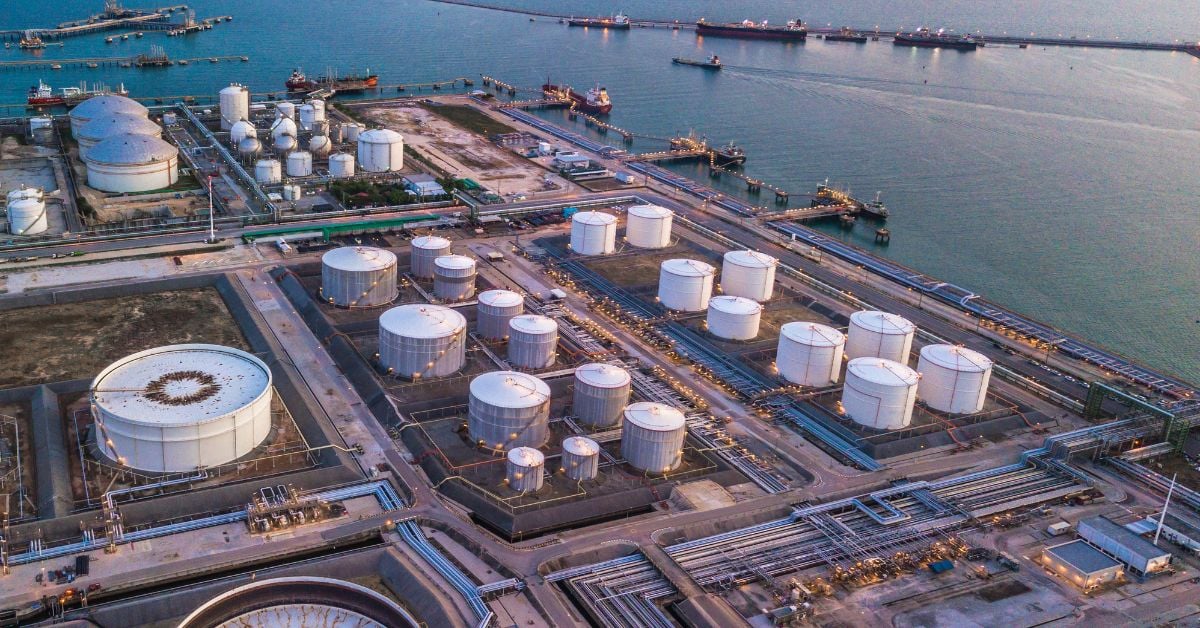
Japan is planning to construct a pipeline network bypassing the strategic Strait of Hormuz, after disruptions in West Asia due to the U.S-Iran war laid bare the vulnerability of depending on Gulf countries and suppliers for oil and gas.
Under this initiative, the government announced the Comprehensive Package for Strengthening Energy Supply-Demand Structure, also called the “Power GX” strategy.
The Cabinet Office outlined that this strategy would focus on achieving energy security by investing in reliable infrastructure internationally, diversifying the sources of procuring oil and has and also upgrading energy infrastructure within the country.
Japanese Prime Minister Sanae Takaichi told media that her government wants to finalise the rollout of the plan by the end of this year, adding that the dynamics of energy have changed, and so must the government’s policy.
Before the war began, Japan imported over 90% of oil from the Middle East; however, now that the situation remains precarious, with continuous ship attacks and seafarer deaths, the refiners in Japan are looking for other sources, including the United States, though processors are also relying on the country’s stockpiles to make up for the shortage.
The government plans to provide greater financial backing to Japan Organisation for Metals and Energy Security (JOGMEC). The state agency helps local companies fund foreign projects or international resource ventures.
According to sources, the priorities include expanding Saudi Arabia’s East-West pipeline, which ends at the Yanbu Port on the Red Sea and also the UAE’s Habshan-Fujairah pipeline, which terminates at the Gulf of Oman.
The Japanese companies would also work to suggest new trade routes to transport crude to the country, at the lowest cost possible.
Japan would also look for ways to get insurance coverage for ships and boost oil reserves for naphtha production in the country. Since using new routes via waterways and pipelines would lead to higher shipping costs, the government will also give logistical subsidies.
The strategy focuses on removing Japanese dependence on critical maritime chokepoints in the Middle East. Japan plans to establish around 12 to 14 nuclear reactors by the 2050s to meet the growing demands driven by AI data centres, research in renewable technologies, including hydrogen power and perovskite solar cells.
Read on the original site
Open the publisher's page for the full experience