2 Filipino Seafarers Killed After Attack On Saudi Oil Tanker In Strait Of Hormuz
Our take
The recent attack on a Saudi oil tanker in the Strait of Hormuz, resulting in the tragic loss of two Filipino seafarers, underscores the escalating tensions and inherent risks within this vital waterway. This incident, confirmed by the UK Maritime Trade Operations, highlights the precariousness of global energy transport and the vulnerability of maritime personnel. The Strait of Hormuz, a narrow passage connecting the Persian Gulf to the Gulf of Oman and the Arabian Sea, is critically important as a choke point for a significant portion of the world’s oil supply. Disruptions here have ripple effects across global markets and geopolitical stability. The attack itself, involving three unknown projectiles, raises serious questions about the actors involved and the potential for further escalations, particularly given recent proposals like U.S President Donald Trump Suggests Renaming Strait Of Hormuz ‘Trump Strait’, which, while seemingly trivial, reflects the ongoing power dynamics and territorial claims in the region. The incident also follows recognition of maritime heroes with UK Honours Maritime Heroes With 2026 Merchant Navy Medals For Outstanding Service, a poignant reminder of the dedication and sacrifices made by seafarers navigating increasingly dangerous waters.
The broader significance of this event extends beyond the immediate loss of life and disruption to oil shipments. It speaks to a pattern of increasing maritime insecurity in the region, fuelled by complex political rivalries and proxy conflicts. Analyzing historical data reveals a longitudinal trend of heightened risk in the Strait of Hormuz, particularly during periods of heightened geopolitical instability. The lack of clarity surrounding the projectiles themselves – whether they were drones, missiles, or other types of ordnance – complicates attribution and hinders the implementation of effective preventative measures. The reliance on real-time data and calibrated risk assessments is paramount in mitigating future incidents, demanding an integrated data ecosystem capable of rapidly processing and disseminating critical information to maritime operators and security agencies. Furthermore, the expansion of entities like the Indian Register of Shipping Expands To Hamburg To Connect European Suppliers With India’s Shipbuilding Boom, while beneficial for shipbuilding, also underscores the growing complexity of maritime trade routes and the potential for increased vulnerabilities across the globe.
The impact on ocean intelligence gathering and analysis is undeniable. This incident reinforces the need for enhanced surveillance capabilities, including satellite-based monitoring and advanced sensor technologies, to provide early warning of potential threats. Peer-reviewed studies consistently demonstrate the efficacy of integrated data streams in predicting and responding to maritime security challenges. The use of validated empirical data, rather than relying on speculative assessments, is crucial for informed decision-making by policymakers and maritime security professionals. Moreover, the tragic loss of life highlights the urgent need for improved seafarer safety protocols and enhanced security measures on vessels transiting high-risk areas. The international community must prioritize the protection of maritime personnel, recognizing their vital role in the global supply chain. This requires collaborative efforts, including information sharing and coordinated patrols, to deter potential aggressors and ensure the safe passage of merchant ships.
Looking ahead, the question becomes: how can we foster a more resilient and secure maritime environment in the Strait of Hormuz and beyond? The incident necessitates a renewed focus on diplomatic solutions to de-escalate tensions and address the underlying causes of instability. Furthermore, investment in innovative technologies, such as autonomous vessels and advanced cybersecurity measures, can help to mitigate risks and enhance the security of maritime operations. The development of robust ocean intelligence platforms, capable of providing real-time situational awareness and predictive analytics, will be critical in safeguarding global trade and protecting the lives of those who work at sea. The long-term implications of these events demand a proactive and collaborative approach, grounded in scientific integrity and a commitment to global ocean stewardship.
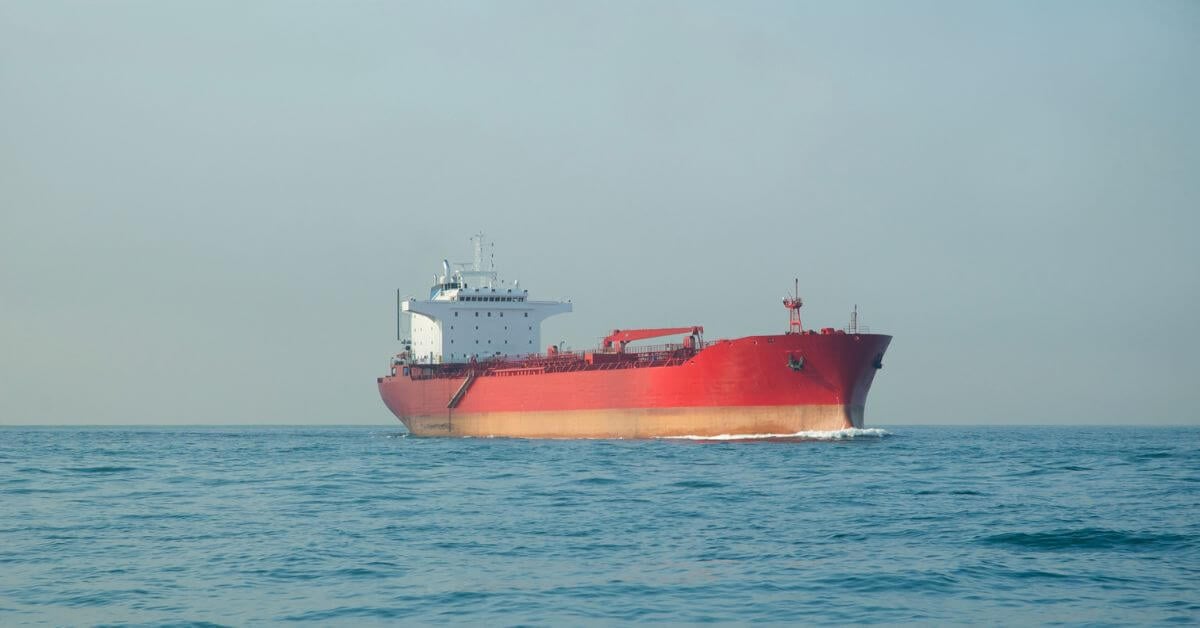
Two Filipino seafarers were killed in an incident involving Saudi shipping company Bahri’s oil tanker Sidr while the vessel was sailing through the Strait of Hormuz on Aug. 31.
Bahri said the incident happened at about 11:40 p.m. local time as the tanker was leaving the Strait of Hormuz. The company confirmed the deaths of two Filipino crew members.
Saudi Arabia said an Iranian attack on the tanker killed the two Filipino seafarers. Sidr is a Saudi-flagged very large crude carrier, with IMO number 9854715.
The UK Maritime Trade Operations (UKMTO) said on Aug. 31 that a tanker had been hit by three unknown projectiles while leaving the Strait of Hormuz.
Bahri said it was in contact with the vessel and was working with authorities and other maritime industry groups to follow the situation. It also said it was supporting the families, loved ones and colleagues of the seafarers.
Philippines works to bring crew home
The Philippines’ Department of Migrant Workers confirmed that two Filipino seafarers had died in the incident.
Migrant Workers Secretary Hans Leo J. Cacdac ordered government offices to provide immediate help to the affected crew members and their families.
The department said this followed President Ferdinand Marcos Jr.’s order to protect Filipinos affected by the security situation in the Middle East.
The Department of Migrant Workers, Overseas Workers Welfare Administration, Department of Foreign Affairs, Philippine Embassy and Migrant Workers Office in Oman are working with the vessel’s principal, its licensed manning agency and other authorities.
They are working to bring the surviving Filipino crew members back to the Philippines as soon as possible. They are also providing medical and other support.
The DMW is also arranging the return of the remains of the two seafarers who died.
Their families will receive benefits, compensation, insurance payments and other support under their contracts and Philippine and international maritime rules, the department said.
The DMW is also checking on the remaining Filipino crew and working with Philippine officials and authorities in the region to help bring them home safely.
Strait of Hormuz remains a major shipping route
About one-fifth of global oil and LNG trade passed through the Strait of Hormuz before the U.S. and Israel launched strikes on Iran on Feb. 28.
Thousands of seafarers have been stuck in the Persian Gulf since the conflict began on Feb. 28.
The International Maritime Organisation had recorded at least 70 attacks on international shipping and 19 seafarer deaths in the region as of Aug. 26.
IMO Secretary-General Arsenio Dominguez has called for practical steps and more cooperation to restore freedom of navigation.
Iran has also threatened tankers trying to pass through the Strait of Hormuz without authorisation. This has affected energy exports from other oil-producing Gulf countries.
U.S. strikes Iranian targets
U.S. President Donald Trump said U.S. forces had started striking Iranian targets near the waterway, which he described as “large and powerful.”
Trump said the strikes came after Iran tried to place sea mines in the Strait. He said the mines had been removed or detonated. He also said the strikes followed an Iranian missile attack on a U.S. military base in Jordan.
CENTCOM said the targets included IRGC air defence sites, radar systems, maritime assets and facilities, mine-laying equipment and communications sites.
The command said about 50,000 U.S. military personnel were operating in the Middle East.
Other Bahri ships attacked
Sidr is not the first Bahri vessel to come under attack in the region.
Bahri’s Wedyan supertanker was hit in July while sailing near Oman’s coast through the Strait of Hormuz.
Two other ships, Masa and Amzan, were attacked in the Red Sea in July and August after the Iran-backed Houthis in Yemen declared a naval blockade against Saudi Arabia.
References: shippingtelegraph, indiatoday
Read on the original site
Open the publisher's page for the full experience