14 Pirates Killed By Turkish Navy & Somalia’s Armed Forces In 10-Day Operation To Free Hijacked Vessel MV LUTUF
Our take

The recent engagement between the Turkish Navy and Somalia’s Armed Forces, resulting in the liberation of the MV LUTUF and the death of 14 suspected pirates, underscores a concerning escalation of maritime security challenges in the Horn of Africa. This event, while representing a successful outcome for the vessel and its crew, is symptomatic of a larger, persistent problem demanding a multifaceted and data-driven response. The incident highlights the complex interplay of factors – regional instability, economic hardship contributing to piracy, and the increasing strategic importance of vital shipping lanes – that create fertile ground for maritime crime. We’ve observed similar concerns elsewhere, as evidenced by [Suez Canal Reports Recovery In Container Ship Crossings & Eyes Greater Cooperation With Panama Canal], demonstrating the interconnectedness of global trade routes and the vulnerabilities inherent in their security. The evolving geopolitical landscape, as further illustrated by [Iran’s Supreme Leader Mojtaba Khamenei Urges Muslim Nations To Recognise ‘Real Enemy’ As Hormuz Traffic Falls To New Lows], adds another layer of complexity, influencing naval presence and regional security dynamics.
The effectiveness of the joint operation – involving both Turkish and Somali forces – is notable and suggests a potential model for collaborative maritime security efforts. However, simply neutralizing pirate groups after a hijacking is reactive, not preventative. A truly effective strategy requires a deeper understanding of the root causes driving piracy, including the socioeconomic conditions in Somalia that make it an appealing, albeit dangerous, livelihood for some. Integrated data ecosystems, utilizing real-time intelligence gathered from various sources—satellite imagery, vessel tracking data, and local reporting—are crucial for predicting and preempting future incidents. Our focus remains on building robust ocean intelligence capabilities that can provide actionable insights for governments and maritime organizations. The increasing frequency of reported incidents, as detailed in [Iran Says It Prevented 30 Ships From Crossing Strait Of Hormuz Outside Approved Route Since Aug. 22], necessitates a proactive, data-informed approach to maritime security, moving beyond solely reactive responses to piracy.
The incident also raises questions about the evolving nature of maritime threats. While traditional piracy remains a concern, the potential for state-sponsored actors and the blurring lines between piracy, terrorism, and smuggling require careful consideration. Calibrated responses, incorporating both military and diplomatic efforts, are essential to avoid unintended consequences and ensure the long-term stability of the region. Furthermore, the reliance on international naval presence, while currently effective, necessitates building the capacity of regional states like Somalia to independently patrol and secure their waters. Longitudinal data analysis of maritime incidents, combined with empirical studies of socioeconomic factors, will be instrumental in developing targeted interventions that address the underlying drivers of piracy and foster sustainable security. The validated use of predictive modeling, incorporating climate indicators and geopolitical trends, can further enhance the effectiveness of preventative measures.
Looking ahead, the success of long-term maritime security in the Horn of Africa hinges on a collaborative, data-driven approach. The immediate priority is ensuring the safety of merchant vessels and seafarers, but the broader challenge lies in fostering economic development and stability in Somalia, thereby reducing the incentives for piracy. The question remains: can a sustained investment in ocean intelligence, coupled with targeted socioeconomic programs, create a resilient maritime environment that safeguards global trade and promotes regional security? The ongoing monitoring of maritime traffic patterns, coupled with rigorous analysis of geopolitical events, will be critical in assessing the effectiveness of these efforts and adapting strategies as the situation evolves.
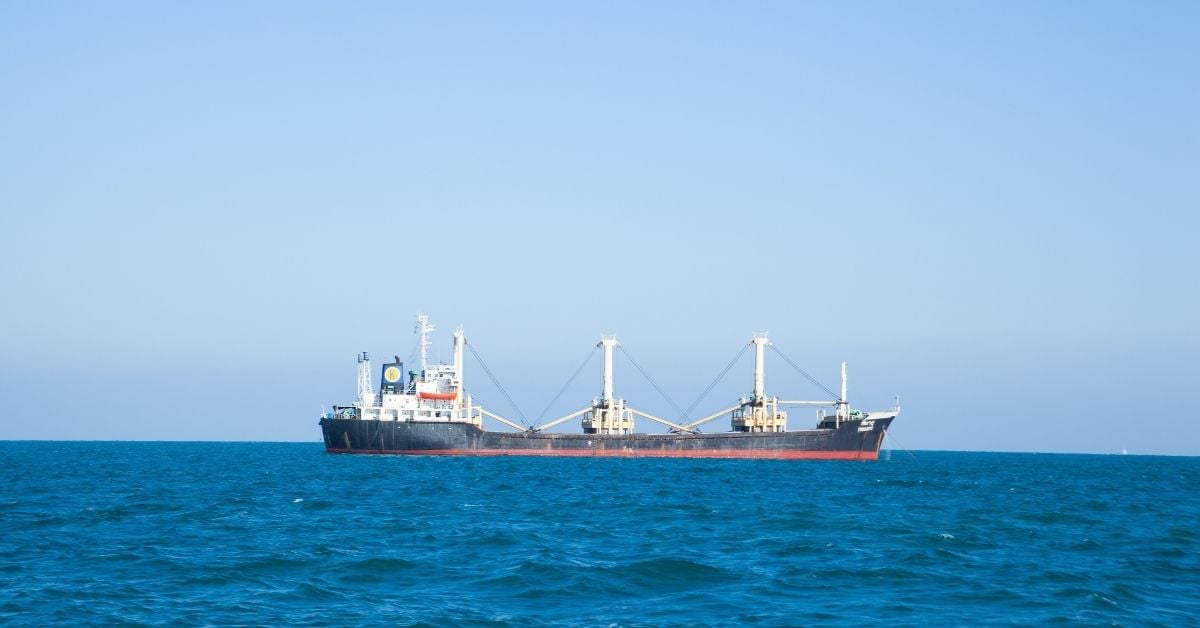
14 pirates were killed in a 10-day-long operation by the Turkish Navy and Somalia’s Armed Forces.
4 pirate boats were destroyed, and the hijacked vessel MV LUTUF was finally freed after the remaining pirates fled due to continuing pressure from the forces.
The anti-piracy operation was carried out in cooperation between Turkiye and Somalia, as part of a defence agreement.
The Defence Ministry of Somalia did not provide any information about the well-being of the vessel’s crew members, including 8 individuals, of which one hailed from Turkiye. The authorities stated that the vessel has been taken away from the control of pirates, is safe and has resumed its journey.
The Cameroon-flagged ship was boarded by pirates on August 17, 2026, off Nugaai of Puntland. MV Lutuf was not the only ship to have been held hostage.
According to recent reports, around five cargo ships were attacked by armed men off Somalia, and ultimately hijacked, with 15 attacks reported off Somalia in 2026.
Piracy has resurfaced after the closure of the Strait of Hormuz and the threat of Houthis in the Red Sea and Persian Gulf, forcing ships to take detours around Africa, giving a chance to armed pirate groups to attack commercial vessels for their cargo and to seek ransoms from authorities.
The main point of resurgence is the Horn of Africa, which saw a rise in cases since April 2026, according to the IMO. The piracy attacks are at an all-time high this year since 2013, and mimic patterns seen in the 2000s.
Piracy incidents were frequent in the waters off Somalia in 2011, before international forces, naval deployments and anti-piracy efforts brought them under control.
However, increasing piracy-related incidents around the Horn of Africa have added to the difficulties for shipping in the Middle East as ships are navigating around the Strait of Hormuz and owners are having to deal with mounting operating costs, high insurance premiums and greater risks.
In the past few years, piracy has also spread to West African shores, given the rampant poverty, corruption and unemployment which has driven the youth to crime, as has happened in Somalia.
Read on the original site
Open the publisher's page for the full experience