6,000 Seafarers And 400 Ships Remain Trapped Amid Six Months Of Strait Of Hormuz Uncertainty
Our take
The ongoing situation in the Strait of Hormuz, with an estimated 6,000 seafarers and 400 ships currently impacted, represents a significant disruption to global maritime trade and underscores the escalating risks within critical chokepoints. The six-month duration of this uncertainty highlights the persistent nature of geopolitical instability and its cascading effects on the movement of goods and personnel. This situation isn’t isolated; recent events, such as the [Indian Oil Tanker Turns Back After Iranian Warship Warning In Strait Of Hormuz], demonstrate the heightened sensitivity and potential for abrupt disruptions within this vital waterway. Considering the broader security landscape, Bulgaria's decision to [Bulgaria To Acquire 7 Minehunters From The Netherlands & Belgium To Demine Black Sea] speaks to a growing recognition of the need for enhanced naval presence and mine countermeasures in strategically important maritime zones, reflecting a wider trend of nations bolstering their maritime defenses. The mental health crisis of a U.S. sailor, as reported in [U.S Navy Charges 19-Year-Old Sailor After Apparent Suicide Attempt Aboard USS Abraham Lincoln], while a tragic individual case, serves as a stark reminder of the immense pressures faced by those working in the maritime sector, especially during periods of heightened tension and prolonged deployments.
The Strait of Hormuz is, of course, a globally significant waterway. Roughly a third of the world’s seaborne oil passes through it, making its stability paramount to global energy security. The current impasse presents a complex challenge, not only for the affected vessels and their crews but also for the insurance industry, port authorities, and the broader supply chain. Extended delays and rerouting efforts significantly increase transportation costs, potentially contributing to inflationary pressures and impacting consumer prices. The situation also raises concerns about the potential for escalation, particularly given the complex web of regional alliances and rivalries. The sheer scale of the disruption—thousands of individuals stranded and hundreds of vessels immobilized—is unprecedented in recent times, demanding a coordinated international response to ensure the safety and well-being of seafarers and the continued flow of essential goods.
The longer this situation persists, the greater the potential for long-term consequences. Beyond the immediate economic impact, prolonged uncertainty can deter shipping companies from utilizing the Strait of Hormuz, leading to a shift in trade routes and potentially impacting regional economies reliant on maritime commerce. This also has implications for the environmental monitoring of the region. Real-time data collection and analysis are crucial for assessing the impact of increased vessel traffic on marine ecosystems, particularly in the event of rerouting. Integrated data ecosystems, utilizing validated and calibrated climate indicators, are essential for understanding the longitudinal effects of these disruptions on ocean health. The need for peer-reviewed research and empirical evidence to inform policy decisions is more critical than ever.
Ultimately, the situation in the Strait of Hormuz serves as a potent reminder of the interconnectedness of global trade and the fragility of maritime security. The reliance on a limited number of chokepoints for the movement of vital resources creates inherent vulnerabilities that must be addressed through proactive diplomacy, enhanced maritime surveillance, and robust contingency planning. A crucial question moving forward is whether this event will spur a more fundamental reassessment of maritime risk management strategies and a greater investment in alternative trade routes and energy sources to mitigate the impact of future geopolitical disruptions.
IMO Secretary-General urges practical solutions and renewed cooperation to restore freedom of navigation
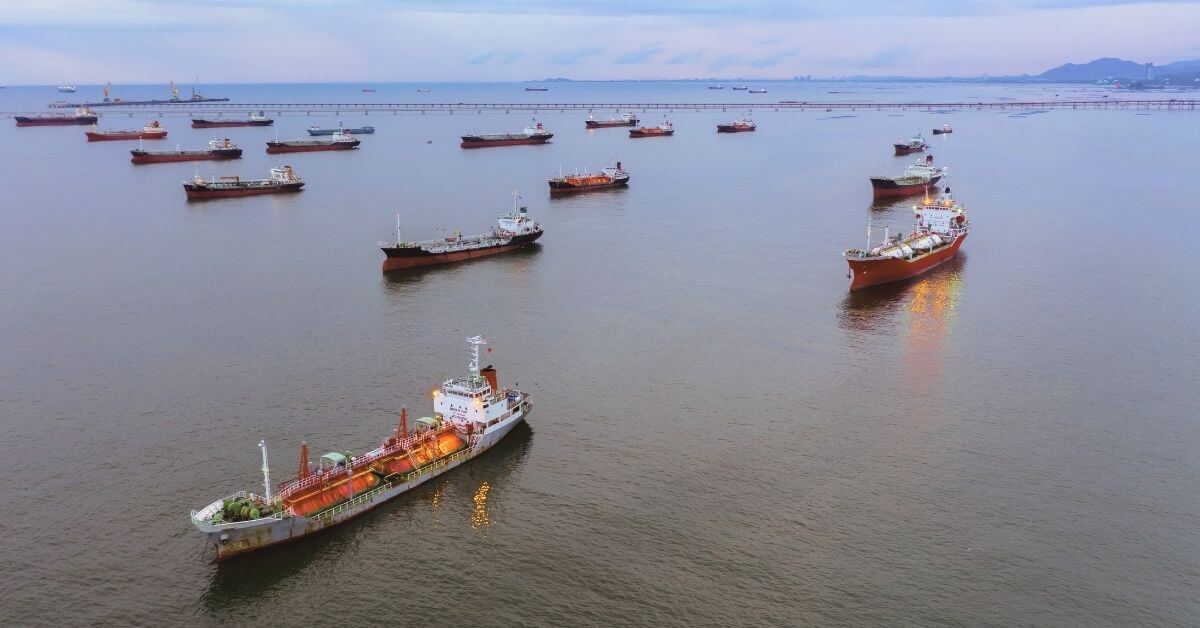
Thousands of seafarers have been stuck in the Persian Gulf since the current conflict in the Middle East began on 28 February this year. To date, at least 70 attacks on international shipping have been verified by IMO, with 19 seafarers killed.
With maritime security threats on the rise globally, IMO Secretary-General Arsenio Dominguez issued the following statement:
“Six months since the conflict in the Middle East began, the situation in the Strait of Hormuz is unresolved.
Thousands of seafarers in the region continue to live and work under conditions of heightened risk and uncertainty.
While some ships and their crews have been able to leave the Persian Gulf, up to 400 ships carrying around 6,000 seafarers have been unable to depart safely since the conflict began.
The impacts of this crisis are grave – both in the short and long term. The disruption of vital supply chains for fuels, fertilizers and other commodities has consequences for communities and economies around the world.
In July, the IMO Council adopted a resolution on the protection of vital shipping lanes, reaffirming that the right of transit passage through straits used for international navigation must not be threatened, impeded, denied, hampered, impaired or suspended. It called for a coordinated and sustainable return to unhindered navigation through the Strait of Hormuz.
Renewed political will and cooperation is needed to deliver on this commitment.
I call on all Member States and the shipping industry to work together with IMO and the wider United Nations system, to advance practical solutions to restore the freedom of navigation through the Strait.
The deterioration of maritime security around the globe – from the Black Sea to the Red Sea and Gulf of Aden – is detrimental to us all. But it is particularly distressing for the thousands of innocent seafarers affected.”
Read on the original site
Open the publisher's page for the full experience