Iran Urges Nations To Reject New U.S Sanctions As Talks Focus On Reopening Strait Of Hormuz
Our take
The escalating tensions in the Strait of Hormuz, exacerbated by the imposition of new U.S. sanctions against Iran, present a significant and multifaceted challenge to global maritime trade and, critically, the security of ocean-dependent industries. Iran's characterization of these measures as "economic terrorism" underscores the severity of the situation, highlighting the potential for disruption to vital shipping lanes. The Strait, a narrow waterway connecting the Persian Gulf to the Gulf of Oman and the Arabian Sea, is a critical chokepoint for global oil transport, with roughly a third of the world’s seaborne oil passing through it daily. The current instability is compounded by the existing uncertainty, as detailed in [6,000 Seafarers And 400 Ships Remain Trapped Amid Six Months Of Strait Of Hormuz Uncertainty], leaving thousands of seafarers and a substantial number of vessels in a precarious state. Further illustrating the broader geopolitical context, the U.S. Navy’s increased presence in the region, exemplified by the preparations for the USS Theodore Roosevelt’s deployment [U.S Navy Prepares Aircraft Carrier USS Theodore Roosevelt For Middle East Deployment To Relieve USS George Washington], adds another layer of complexity and potential for miscalculation.
The implications of these sanctions and the resulting geopolitical maneuvering extend far beyond the immediate disruption to oil markets. They highlight a broader trend of escalating trade disputes and their impact on international maritime routes. The recent renaming of Lake Ontario by the U.S. President [U.S. President Donald Trump Renames Lake Ontario ‘Lake America’ Amid U.S.-Canada Trade War], while seemingly unrelated, exemplifies a willingness to utilize symbolic actions to assert economic and political leverage, a tactic that further destabilizes international relations and creates uncertainty for businesses reliant on predictable trade flows. The consequences for seafarers, already facing immense challenges due to prolonged deployments and the psychological toll of operating in conflict zones, are particularly concerning. The potential for increased insurance costs, rerouting of vessels, and delays in cargo delivery will ripple through global supply chains, impacting businesses and consumers alike. This situation demands careful monitoring and a commitment to de-escalation to mitigate further disruptions.
From a data perspective, the situation in the Strait of Hormuz provides a stark illustration of the interconnectedness of global trade and the fragility of critical infrastructure. Real-time tracking of vessel movements, coupled with analysis of maritime insurance rates and commodity prices, can provide valuable insights into the evolving risks and potential disruptions. Utilizing integrated data ecosystems, we can calibrate predictive models to anticipate potential bottlenecks and inform strategic decision-making for businesses and policymakers. Longitudinal data analysis of past incidents in the region can also reveal patterns and trends that can help to identify potential flashpoints and develop proactive mitigation strategies. The need for validated, empirical data to understand the true impact of these events is paramount, moving beyond anecdotal evidence to a more robust and measurable assessment of the risks.
Ultimately, the situation in the Strait of Hormuz underscores the urgent need for collaborative efforts to ensure the safety and security of maritime trade routes. While diplomatic negotiations are essential, a proactive approach that leverages ocean intelligence and data-driven insights is crucial to navigating these complex challenges. The question remains: how can we build a more resilient and adaptable global maritime system capable of withstanding geopolitical shocks and protecting the livelihoods of those who depend on the ocean for their well-being?
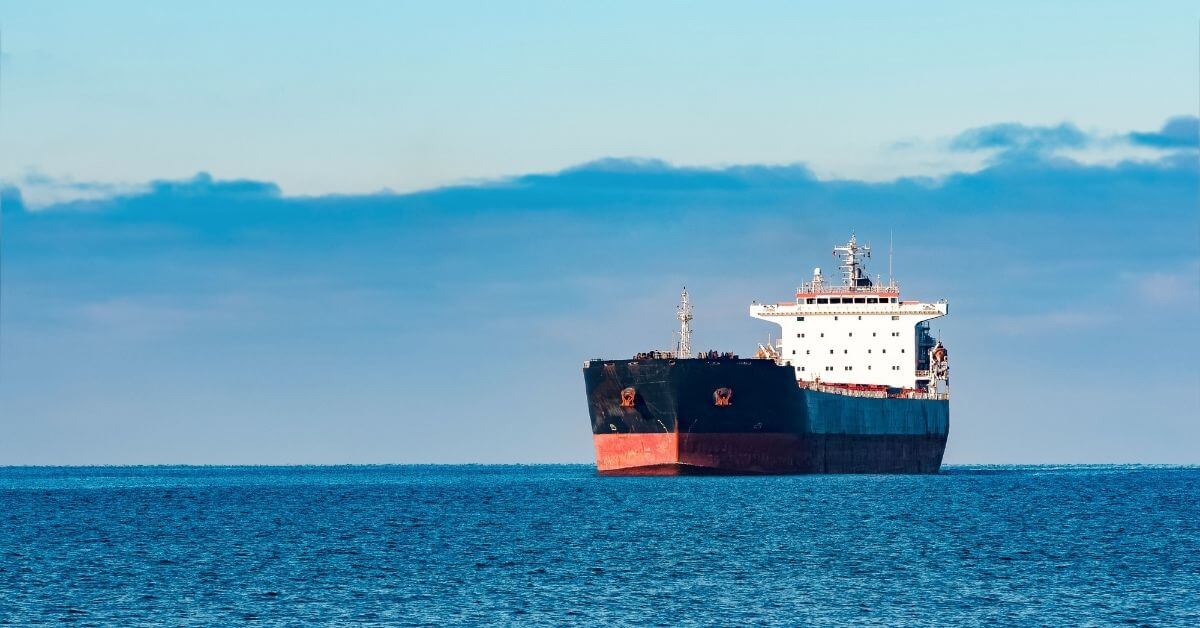
Iran called on other countries on Friday not to enforce new U.S. sanctions against Tehran, calling the measures illegal, as mediators continued efforts to reopen shipping through the Strait of Hormuz.
The waterway carried about 20% of global oil supplies before the war began six months ago. Its reopening remains a key issue in efforts to reach an agreement between Iran and the United States.
Preliminary shipping data released on Friday showed that seven commodity vessels transited through the Strait of Hormuz on Thursday. That was down from 17 vessels the previous day and below the 10-day average of 15.
Ship tracking services have estimated traffic through the strait at about 5% to 15% of normal levels, with many vessels still avoiding the waterway because of Iranian threats.
Iran calls US sanctions illegal
Iran’s Foreign Ministry said on Friday that countries were obliged under international law not to implement U.S. sanctions against Tehran.
It said countries that enforce unilateral U.S. sanctions would be helping US impose its will on other states and interfere with their legitimate economic and trade relations.
Iran called the new U.S. measures “economic terrorism” and a “crime against humanity”, saying they put the health and livelihoods of millions of civilians at risk. It also called on other countries and United Nations bodies to uphold international law.
The statement was made after US administration warned countries on Monday to cut business ties with Iran or face secondary sanctions as part of “economic D-Day”.
Trump said on Thursday that the United States was not talking with Iran. The White House said Washington would continue its economic campaign until Tehran decided to “come to the table in a meaningful way.”
US plans restrictions on Egyptian bank
Per sources, the Trump administration plans to impose restrictions on Egypt’s Banque Misr over its business dealings with Tehran by revoking U.S. financial access to its branches in the United Arab Emirates.
If finalised, the proposed rule would revoke Banque Misr UAE’s correspondent banking access to U.S. financial institutions, the official said.
In a separate move, the U.S. Treasury sanctioned a Hong Kong-based entity and an individual linked to Iran’s Bank Melli, according to a notice posted on the department’s website.
Qatar calls for open shipping
Qatari Prime Minister Sheikh Mohammed bin Abdulrahman Al Thani held talks with Iranian leaders in Tehran on Thursday and discussed the importance of restoring open shipping through the Strait of Hormuz.
Iranian Foreign Minister Abbas Araqchi described the talks as “creative” and again urged the United States to stop putting military and economic pressure on Iran and return to negotiations.
Pakistan and Qatar helped reach an agreement in June that led to a ceasefire.
However, the ceasefire soon broke down because of disagreements between Iran and the United States over the Strait of Hormuz.
Iran prepares conditions for reopening the strait
After the United States and Israel started the war on Feb. 28, Iran threatened to strike vessels passing through the Strait of Hormuz without its authorisation.
The threats reduced shipping through the waterway and increased oil prices, giving Tehran leverage in negotiations.
The United States has said the Strait of Hormuz must remain an open international waterway.
Mohsen Rezaei, secretary of Iran’s Supreme National Security Council, said on Thursday that Tehran was preparing a list of conditions for reopening the strait.
Iran’s previous demands included lifting the U.S. blockade on its ports, receiving compensation and removing sanctions.
US says shipping lanes are open
U.S. military commanders said American forces had cleared sea mines from the Strait of Hormuz that Iran’s Islamic Revolutionary Guard Corps had laid months earlier.
Trump has said that the strait is open. However, many vessels are still avoiding the waterway because of Iranian threats, leaving commercial traffic well below normal levels.
Oil prices fell on Friday and were heading for a weekly decline.
Analysts said there were signs that more oil was moving through the strait despite the diplomatic deadlock and that producers were increasingly adapting to the situation in the Gulf.
References: koreatimes, aawsat
Read on the original site
Open the publisher's page for the full experience