Indian Oil Tanker Turns Back After Iranian Warship Warning In Strait Of Hormuz
Our take
The recent incident involving the Indian Oil tanker, HAANA, turning back after a warning from an Iranian warship in the Strait of Hormuz underscores the persistent volatility of this critical waterway. The event, occurring while the vessel attempted to utilize the “Oman corridor,” highlights the ongoing challenges to maritime navigation and the complex geopolitical dynamics at play. Even with a relative easing of active conflict between the United States and Iran, commercial ships continue to face considerable risk, as evidenced by [Iran And Oman Reach Agreement On Strait Of Hormuz Control And Revenue Sharing]. The agreement itself, while intended to provide some level of control and revenue sharing, doesn't negate the potential for escalations and disruptions, and the incident with HAANA serves as a stark reminder of this reality. Further complicating the situation is Iran’s demonstrated willingness to target vessels it alleges are bypassing its preferred routes or refusing to pay transit fees, as seen in a previous incident where a [Tanker Catches Fire After Being Hit By ‘Unknown Projectile’ In Strait Of Hormuz].
The Strait of Hormuz is, of course, one of the world's most strategically important chokepoints, facilitating approximately 30% of the world's seaborne oil trade. Disruptions to this flow have immediate and substantial global economic implications, impacting energy markets and broader supply chains. The Iranian actions, while seemingly localized, represent a broader assertion of influence and control over regional maritime routes. The United States Navy maintains a significant presence in the area, as exemplified by the impending overhaul of the USS Boxer, an amphibious assault ship, after its Middle East deployment – [U.S Navy’s USS Boxer Slated For Up To $180 Million Overhaul After Middle East Deployment]. This ongoing naval presence is a direct response to the instability and attempts at coercion, but it also introduces the risk of unintended escalation if encounters become more frequent or aggressive. The HAANA incident, while relatively minor, adds another layer of complexity to an already tense situation.
The implications extend beyond immediate shipping risks. The incident signals a continued pattern of Iran leveraging its control over key waterways to exert pressure and influence regional and global actors. This behavior is likely driven by a combination of factors, including economic constraints, a desire to challenge U.S. power in the region, and a broader strategic competition for influence. The willingness to warn, and potentially threaten, commercial vessels demonstrates a calculated approach, aiming to disrupt trade without necessarily triggering a full-scale military confrontation. It is important to note that the increasing sophistication of maritime surveillance technologies, including those utilizing satellite data and advanced sensor networks, makes it increasingly difficult for vessels to navigate these waters unnoticed, which in turn increases the potential for such interactions. Ocean intelligence, derived from integrated data ecosystems, becomes critically important for risk assessment and mitigation in these scenarios.
Looking forward, the situation in the Strait of Hormuz is unlikely to improve significantly in the short term. The underlying geopolitical tensions remain, and Iran is likely to continue its efforts to assert control over regional maritime routes. The effectiveness of the Oman corridor as a viable alternative route remains questionable, given the demonstrated willingness of Iranian forces to interfere with vessels attempting to utilize it. The question becomes: how will international shipping companies adapt their strategies to navigate this increasingly complex and dangerous environment? Will insurance premiums rise significantly, further impacting the cost of global trade? And, perhaps most importantly, what de-escalation strategies can be implemented to reduce the risk of a more serious incident that could have catastrophic consequences for the global economy?
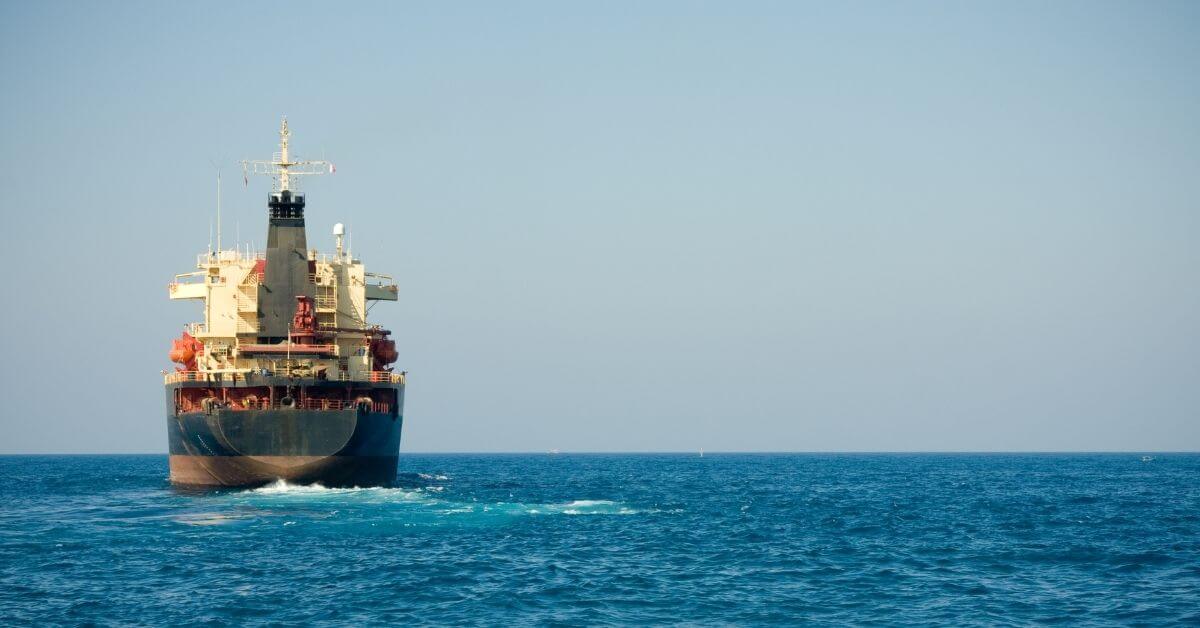
An Iranian warship warned an Indian oil tanker trying to cross the southern route of the Strait of Hormuz, forcing the vessel to turn back, Iran’s Fars news agency reported.
The tanker, HAANA, was trying to use the southern route, known as the “Oman corridor”, when a large Iranian warship warned it, Fars said. The tanker did not continue.
Fars also said that no ships had been seen using the southern route in the previous 24 hours. The report has not been independently confirmed by Iranian or Indian authorities.
Tensions between the U.S. and Iran continue to disrupt shipping in the Strait of Hormuz. Before the war began in February, around one-fifth of the world’s oil and liquefied natural gas shipments passed through the waterway.
Most commercial traffic has since stopped, affecting energy markets and global shipping.
Iranian Warship Warns Indian Tanker
Fars reported that the Indian oil tanker HAANA tried to use the southern route of the Strait of Hormuz, known as the Oman corridor, a few months ago. It was stopped after receiving a warning.
The agency described the Iranian vessel as a large warship but did not identify it. It also did not say what the warning was about or how long the encounter lasted.
Fars also said no ships had used the southern route in the previous 24 hours.
The incident has not been independently confirmed by Iranian or Indian authorities.
Iran and Oman Discuss Temporary Shipping Route
Iran and Oman are still discussing shipping through the Strait of Hormuz.
Oman said the two countries had discussed a temporary route for ships and plans to clear mines from the waterway.
Iran’s Deputy Foreign Minister for Legal and International Affairs, Kazem Gharibabadi, said on Tuesday that Iran and Oman had agreed on a temporary route for ships using the strait.
An Islamic Revolutionary Guard Corps spokesperson, cited by Iran’s semi-official Tasnim news agency, also said the two countries had reached agreements on their respective shares of the waterway’s waters and the revenues generated from it.
But a senior Iranian source later told Reuters that no agreement had been finalised. The source said talks were still continuing over the details.
Iran Sets Conditions for Reopening Hormuz
Iran has said that an agreement with Oman alone would not fully reopen the Strait of Hormuz.
IRGC spokesman Hossein Mohebbi said Iran could reopen the Strait of Hormuz if the United States stopped obstructing Iran and returned to an agreement.
Mohebbi added that Iran would not reopen the waterway unless the United States accepted its conditions.
Iran has demanded an end to the U.S. blockade of its ports, compensation and the removal of sanctions as conditions for reopening the strait.
The United States continues to put economic and military pressure on Iran.
U.S. President Donald Trump has said both forms of pressure are working. He has also said that Washington is not in a hurry to negotiate with Tehran.
References: India Today, News18
Read on the original site
Open the publisher's page for the full experience