Panama Canal Squeezes Daily Capacity To 29 Ships, Threatening Global Supply Chains
Our take
The ongoing restrictions on ship transits through the Panama Canal, now limited to just 29 vessels daily, represent a significant and increasingly measurable disruption to global supply chains. This constraint, driven by prolonged drought conditions and insufficient rainfall, highlights the vulnerability of critical maritime infrastructure to climate-related events. The situation underscores a broader trend of climate indicators impacting key global trade routes, a phenomenon World Data Ocean is actively monitoring through integrated data ecosystems. Recent geopolitical tensions in the region further complicate the matter; as evidenced by the U.S Navy SEAL’s Spent 4-Months Conducting Covert Nighttime Missions To Clear Mines From Strait Of Hormuz and the ongoing disputes surrounding the Strait of Hormuz, the security and stability of vital waterways are under constant pressure. The interplay of environmental and geopolitical factors creates a complex risk landscape for maritime commerce.
The immediate consequences are already evident: increased shipping costs, longer transit times, and potential delays in the delivery of goods worldwide. While the Panama Canal Authority has implemented mitigation strategies, such as draft restrictions and prioritizing certain vessel types, the fundamental issue of water scarcity remains. The impact extends beyond consumer goods, affecting the transport of raw materials, energy resources, and agricultural products. This situation resonates with concerns articulated in Iran Claims Strike On Unmanned U.S. Vessel In Strait Of Hormuz, U.S. Rejects Claim As ‘Total Lie’ – demonstrating the fragility of strategic waterways and the potential for unforeseen disruptions. The canal's importance as a shortcut between the Atlantic and Pacific Oceans cannot be overstated; alternative routes, such as the Suez Canal or the Arctic route, present their own logistical and environmental challenges, making a swift and complete redirection of traffic unlikely.
The long-term implications of this event demand a more comprehensive and forward-thinking approach to maritime infrastructure planning and climate resilience. Traditional engineering solutions may prove insufficient in the face of increasingly extreme weather patterns. Investment in alternative water sources for the canal, such as desalination plants or rainwater harvesting systems, represents a necessary, albeit costly, adaptation strategy. Furthermore, the incident serves as a powerful reminder of the need for enhanced global collaboration in managing shared resources and mitigating climate risks. The potential for cascading effects throughout the global economy necessitates a proactive and coordinated response, informed by empirical data and longitudinal analysis. As evidenced by Iran’s threat to establish an Iran Threatens To Set Up ‘Exclusion Zone’ Near War-Torn Strait Of Hormuz Following Tanker Attacks, regional instability can quickly exacerbate vulnerabilities in critical maritime chokepoints.
Looking ahead, the question is not simply whether the Panama Canal can weather this immediate drought, but how global trade routes will adapt to a future characterized by more frequent and severe climate-related disruptions. The current crisis provides a valuable opportunity to recalibrate risk assessments, strengthen supply chain resilience, and prioritize investments in sustainable infrastructure. The ability to leverage real-time data and validated climate indicators will be crucial in forecasting future challenges and developing proactive mitigation strategies. Ultimately, the resilience of our interconnected world hinges on our capacity to integrate ocean intelligence into decision-making processes across all sectors.
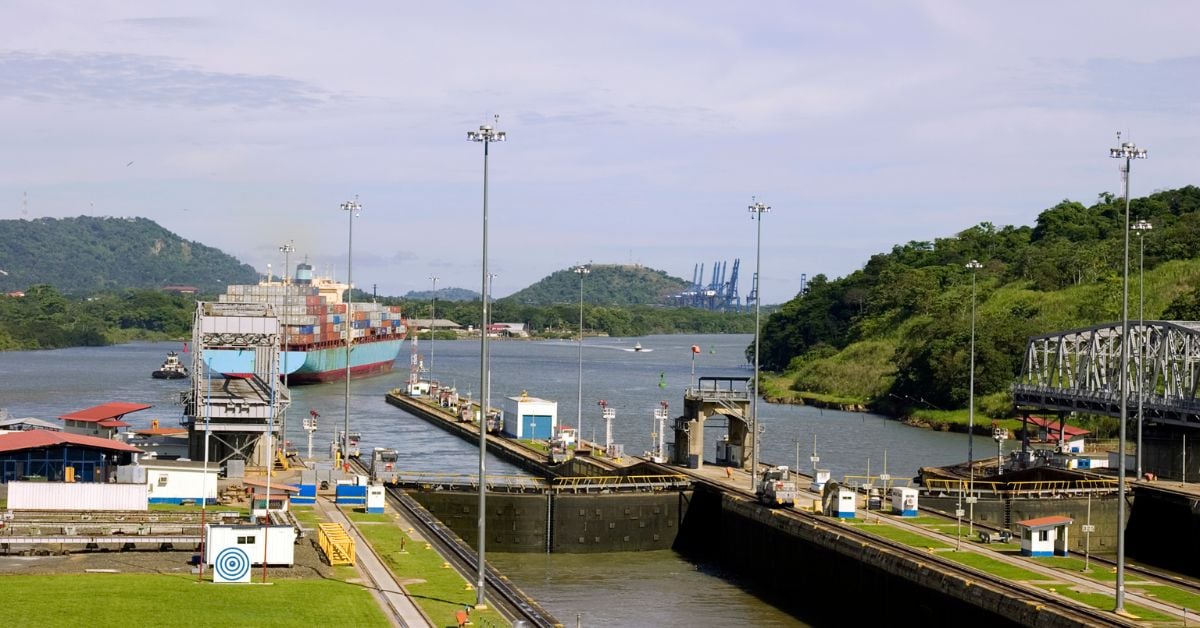
Drought-like conditions and low rainfall have led to a further reduction in daily ship crossings through the Panama Canal, an important maritime trade gateway, especially for China and the United States.
The Panama Canal Authority has cut daily crossings from 32 to just 29 as water levels have fallen a lot due to the prolonged dry season and no sign of rainfall in the region.
The measures are necessary as the canal’s reservoirs also provide water to the residents of Panama, and long-term water conservation is the only way to maintain a balance between trade and daily necessities.
The conditions have worsened due to El Niño, which is apparently the strongest one ever recorded in the last 40 years. The phenomenon develops over the Pacific Ocean and impacts the weather patterns across the globe, leading to increasing temperatures.
Panama’s restrictions come at a time when shipping companies are already struggling to get their cargoes delivered, given the closure of the Strait of Hormuz to commercial shipping following the U.S-Iran war.
The Red Sea and Persian Gulf are not safe either, as Houthis declared a naval blockade on Saudi Arabian ports and ships carrying the country’s cargo.
In this situation, the Panama Canal transit cuts come as a major blow, which would impact global supply chains, lead to delays in cargo delivery, and increase operational costs and ultimately inflation.
The 51-mile-long Panama Canal handles around 5% of the total maritime trade and is the fastest route between the Atlantic and the Pacific Oceans. The Panama Canal has not reduced ship crossings, but also restricted the maximum draft of ships from 15.2 to 14.6 m.
Each cargo ship crossing the canal needs 200 million litres of water, which it then discharges into the reservoirs. A similar situation occurred in 2023, when ship crossings had to be cut from 38 to just 22 as water levels dropped.
The current head of the canal authority, Espino de Marotta, has said that it is likely that things would not go that far in 2026, but still, weather cannot be predicted, and it is best to prepare for everything.
The total deficit in rainfall was recorded to be 35.8% less than the historical average, recorded between April and August 2026, said Erick Cordoba, the manager of canal water. He said that there might be no respite from the dry season soon.
According to the recent weather forecasts, the dry season this year, which usually goes from January to April, will begin earlier than it normally does and continue till May, complicating operations even more.
Read on the original site
Open the publisher's page for the full experience