U.S Navy SEAL’s Spent 4-Months Conducting Covert Nighttime Missions To Clear Mines From Strait Of Hormuz
Our take
The recent reports of U.S. Navy SEALs conducting a clandestine four-month operation to clear naval mines from the Strait of Hormuz underscore the escalating tensions and strategic importance of this vital waterway. The Strait, a narrow passage connecting the Persian Gulf to the Gulf of Oman and the Arabian Sea, is critical for global energy transport, with roughly a third of the world's seaborne oil passing through it daily. This covert action, reportedly undertaken in response to Iranian mine deployments, highlights the delicate balance between maintaining freedom of navigation and avoiding direct military confrontation. The operation’s secrecy suggests a desire to de-escalate while simultaneously demonstrating U.S. resolve, a tactic consistent with recent efforts to manage regional instability. This situation is further complicated by ongoing disputes, as exemplified by Iran Claims Strike On Unmanned U.S. Vessel In Strait Of Hormuz, U.S. Rejects Claim As ‘Total Lie’, where accusations and denials further muddy the waters. The implications of any disruption to traffic through the Strait are significant, potentially impacting global oil prices and regional stability.
The deployment of naval mines by Iran, and the subsequent removal by U.S. forces, represents a concerning escalation in the ongoing power struggle in the region. Iran’s stated intention to establish an Iran Threatens To Set Up ‘Exclusion Zone’ Near War-Torn Strait Of Hormuz Following Tanker Attacks further demonstrates a willingness to challenge international norms and assert control over strategic maritime chokepoints. These actions must be viewed within the broader context of increased Iranian assertiveness and the ongoing tensions with regional rivals and the United States. The covert nature of the SEAL operation, while minimizing immediate escalation, also raises questions about the long-term effectiveness of such strategies in deterring future Iranian actions. The fact that the U.S. Navy has had to conduct such an extensive and secretive operation so close to major shipping lanes underscores the persistent threat and the need for robust maritime security measures. The recent port visit of the U.S. Navy Aircraft Carrier Abraham Lincoln Leaves Thailand After 5-Day Port Visit also indicates a continued U.S. naval presence in the region, intended to reassure allies and deter aggression.
Beyond the immediate security implications, this situation highlights the growing reliance on specialized forces like Navy SEALs for delicate and high-risk operations in contested maritime environments. The ability to conduct covert mine countermeasures, often in challenging and dangerous conditions, requires advanced training, specialized equipment, and a high degree of operational skill. This also points to a shift in naval strategy, where covert operations and asymmetric warfare tactics are increasingly employed to address complex security threats. The use of highly trained personnel allows for precise intervention while minimizing the risk of large-scale conflict, but it also places a significant burden on these individuals and necessitates careful risk assessment and mitigation. Furthermore, the long duration of the operation—four months—demonstrates the considerable resources and logistical support required to sustain such a covert undertaking.
Looking ahead, the situation in the Strait of Hormuz remains volatile and unpredictable. The effectiveness of the U.S. mine-clearing operation in deterring future Iranian actions remains to be seen, and the potential for further escalation remains a significant concern. The establishment of an Iranian “exclusion zone” would represent a major challenge to international law and freedom of navigation, potentially triggering a wider crisis. A key question to monitor is whether this incident will prompt a renewed push for diplomatic solutions and de-escalation, or if it will further entrench existing tensions and lead to a more confrontational posture from both sides. The integration of real-time ocean intelligence and calibrated maritime surveillance systems will be crucial in providing early warning of potential threats and informing effective response strategies in this critical region.
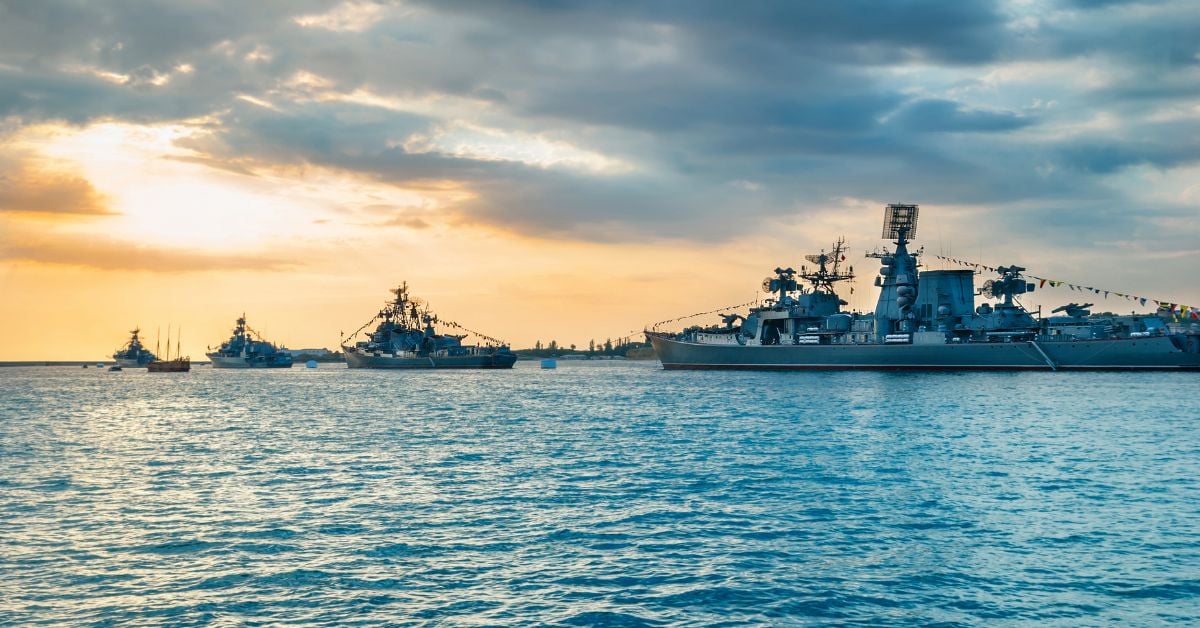
U.S Navy SEALs conducted a 4-month-long covert operation in the Strait of Hormuz to clear the strategic waterway of naval mines placed by Iran to endanger ships.
None of the Special Forces Personnel lost their life during the risky mission undertaken at night, while the U.S-Iran were exchanging attacks in the last few months.
According to the International Maritime Organisation, Tehran’s IRGC had placed almost 80 mines along the Strait of Hormuz shipping lane.
Trained divers worked with drone boats and special underwater equipment to find and remove the naval mines, in order to make the waterway safe for commercial vessels and seafarers.
In an announcement made by U.S President Donald Trump last week, it was announced that Hormuz is now clear of all mines.
Mine-clearing can be dangerous, especially during conflict with another country, as in this case. It requires a team of experienced divers who work with other equipment like sonar and unmanned vessels to physically get close to a mine, put a charge on it, and then destroy it.
The process is also time-consuming, and there is no room for mistakes, since it’s like switching off a bomb fuse underwater. Even though the U.S military has also confirmed that Hormuz is now free from mines, uncertainty remains.
Shippers and other experts argue that only areas near the Omani coast, where the U.S has instructed vessels to cross from, have been cleared and not the entire Strait of Hormuz.
An expert also said that it does not take much time to replant a naval mine given that a lot of Iranian patrol vessels also sail through the Strait, so nobody can be completely sure.
This uncertainty works in favour of Iran, as no shipping company would want their vessels to cross a waterway covered with naval mines and risk losses running in billions of dollars.
There are also concerns that Iran might have laid new naval mines after the U.S cleared the Strait during its extensive operation spanning four months. However, after Trump announced this development, oil prices dropped but then rose again since tanker attacks resumed after a month of relative calm.
Read on the original site
Open the publisher's page for the full experience