draft
draft on World Data Ocean: a running collection of 5 stories we have gathered and hand-picked because they are worth your time. Every post here touches on draft in some way — the news, the analysis, the deep dives, and the occasional surprise find. A Global Hub for Ocean Intelligence 4 World Data Ocean is a centralized digital platform where researchers, scientists, and ocean enthusiasts converge to explore, analyze, and… New stories are added to this page as we find them, so check back if you want to keep up with what is happening around draft, or subscribe to the RSS feed to get them as soon as they are published. Browse the collection below, or head back to the homepage to see everything World Data Ocean is covering right now.
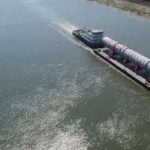
What Is A Barge, Its Types, Functions & Advantages?
A barge represents a foundational element of inland waterway transport—a simple, floating vessel designed for cargo conveyance over relatively short distances within rivers, canals, and shallow waterways. These robust platforms facilitate the movement of goods, offering a cost-effective solution for regional logistics. Understanding barge types, functions, and advantages is crucial for appreciating this vital component of global supply chains. For further insights into maritime operations and related incidents, see our article, "Busan Coast Guard Raids..."
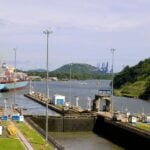
Panama Canal Squeezes Daily Capacity To 29 Ships, Threatening Global Supply Chains
Drought conditions significantly impact global trade as the Panama Canal restricts daily ship transits to a calibrated maximum of 29 vessels. This reduction, stemming from critically low rainfall, poses a measurable threat to global supply chains, impacting shipping schedules and potentially elevating costs. The situation underscores the escalating influence of climate indicators on vital maritime routes. For further context on strategic waterway security, see our report, "U.S. Navy SEAL’s Spent 4-Months Conducting Covert Nighttime Missions To Clear Mines From Strait Of Hormuz.”

Falling Water Levels Push Panama Canal To Restrict Maximum Ship Draft To 47.5 Feet From September
The Panama Canal Authority has implemented a two-stage reduction in the maximum draft for Neopanamax vessels, effective September, limiting it to 47.5 feet. This measure addresses declining water levels impacting canal operations and represents a significant adjustment for global shipping. The restriction will affect vessel transit times and potentially impact supply chains. For further context on maritime risk assessment, see our analysis of "Real Life Incident: How Expectation Bias Wrecked A Bulk Carrier Twice," highlighting the importance of navigational precision.

Real Life Incident: How Expectation Bias Wrecked A Bulk Carrier Twice
Recent incidents involving the bulk carrier highlight the critical impact of expectation bias in maritime navigation. The vessel experienced two groundings after a pilot deviated from the established dredged channel. This event underscores the importance of validated procedures and rigorous adherence to charted depths, even when experienced professionals are at the helm. Such occurrences demand a re-evaluation of pilotage protocols and a renewed focus on situational awareness. For further examination of navigation challenges, see our report on the *Onego Otra* grounding in the St.

Grounded Cargo Ship Freed In St Lawrence River After 4 Week Salvage Effort
Following a protracted, four-week salvage operation, the general cargo ship *Onego Otra* has been successfully refloated in the St. Lawrence River and is now en route to port for a comprehensive inspection. This complex recovery underscores the significant challenges inherent in maritime incident response and highlights the importance of robust operational protocols. The successful refloat represents a crucial step toward restoring navigational safety and minimizing potential environmental impact. For further context on maritime incidents, see our report on the *Golden Leo* sinking off Odesa.