public health
public health on World Data Ocean: a running collection of 7 stories we have gathered and hand-picked because they are worth your time. Every post here touches on public health in some way — the news, the analysis, the deep dives, and the occasional surprise find. A Global Hub for Ocean Intelligence 4 World Data Ocean is a centralized digital platform where researchers, scientists, and ocean enthusiasts converge to explore, analyze, and… New stories are added to this page as we find them, so check back if you want to keep up with what is happening around public health, or subscribe to the RSS feed to get them as soon as they are published. Browse the collection below, or head back to the homepage to see everything World Data Ocean is covering right now.

Less sugar early in life might decrease dementia risk
Emerging longitudinal data suggest a compelling link between early-life sugar exposure and later-day cognitive health. A recent analysis of individuals exposed to wartime sugar rationing in the United Kingdom reveals a statistically significant reduction in the incidence of dementia and Alzheimer’s disease decades later. This empirical study, validated through rigorous methodology, underscores the potential impact of dietary factors on long-term neurological outcomes. Further exploration of preventative measures, as highlighted in our article on experimental vaccine development, continues to inform research into safeguarding public health.

An unproven autism drug got a boost after a White House briefing
In fall 2025, the Trump administration’s endorsement of leucovorin as an autism therapy sparked a significant increase in its prescription for children, despite a lack of newly validated evidence supporting its efficacy. This event underscores the potential impact of policy pronouncements on medical practices and public health. Our reporting emphasizes the critical need for empirical data to guide treatment decisions. For related advancements in medical innovation, see our article, "No refrigerator, no problem. This experimental vaccine doesn’t need it."
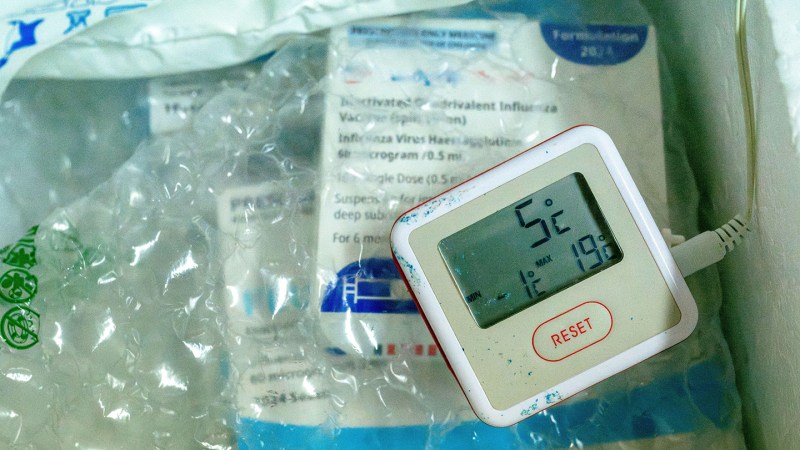
No refrigerator, no problem. This experimental vaccine doesn’t need it.
Recent trials demonstrate a significant advancement in vaccine technology: a novel formulation protecting against tetanus and diphtheria without the need for refrigeration. This innovation represents a crucial step toward broader accessibility, particularly in resource-limited settings. Early results validate the vaccine’s efficacy, offering a potentially transformative solution for global health initiatives. Further research builds on this progress, as explored in our article, "Here’s what the first mRNA flu vaccine could mean for flu season," detailing advancements in immunological responses.

How a brutal drought may have helped unleash yellow fever in Brazil
Recent research suggests a severe drought in Brazil may have played a critical role in the emergence of yellow fever cases—a phenomenon not observed in decades. As animals desperately sought dwindling water sources, they inadvertently facilitated the spread of the virus from forested areas into urban environments. This unprecedented event underscores the complex interplay between climate change, ecological disruption, and public health. For further exploration of remarkable deep-sea discoveries, see our recent article, "Brand New Magnipinna Squid Video!"

Marine heatwaves are harming human health in surprising ways
Marine heatwaves, once primarily understood as threats to marine ecosystems, are now recognized as a growing danger to human health. Research validates that unusually warm ocean temperatures can intensify storms, promote harmful algal blooms, and diminish seafood availability—directly impacting coastal livelihoods. Beyond these tangible effects, studies indicate a correlation between marine heatwaves and increased rates of anxiety, grief, and depression within vulnerable communities. Further exploration of these complex social-ecological interactions can be found in our article, "Tourism and coastal fisheries interaction."
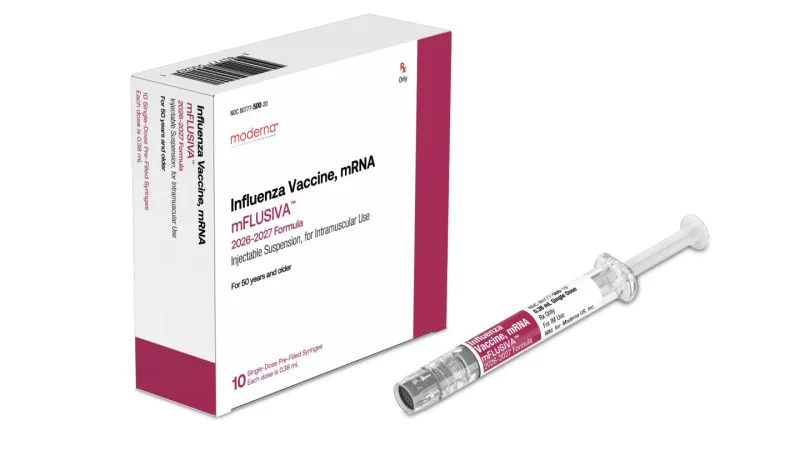
Here’s what the first mRNA flu vaccine could mean for flu season
Emerging data validate a significant advancement in influenza prevention: Moderna’s mFlusiva, the first mRNA flu vaccine, demonstrates superior efficacy compared to traditional flu shots. Clinical trials indicate stronger, longer-lasting immunity and improved protection against infection. This innovative approach represents a potential paradigm shift in seasonal influenza management, offering a more robust defense against prevalent strains. For further exploration of immunological advancements, see our related article, "How one amino acid might help fight colon cancer and infections."
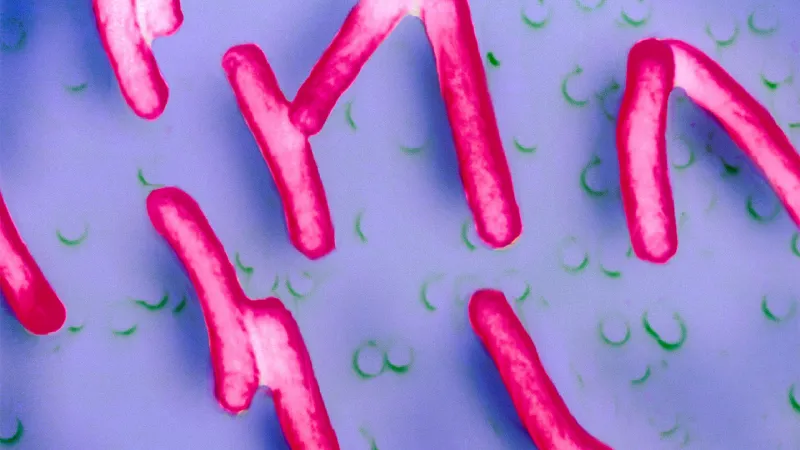
An experimental oral vaccine may prevent invasive bacterial diarrhea
A significant advancement in preventative medicine has emerged: an experimental oral vaccine demonstrates promise in safeguarding against *Shigella*, a bacterium responsible for approximately 450,000 infections annually within the United States. Recent human trials involving adult participants indicate notable protective efficacy. This development offers a potential tool to mitigate the global burden of diarrheal disease. The geopolitical landscape impacting global trade routes, as detailed in our article "Trump Cancels 20% Fee Plan On Hormuz Transits," underscores the importance of accessible healthcare solutions worldwide.