How a brutal drought may have helped unleash yellow fever in Brazil
Our take
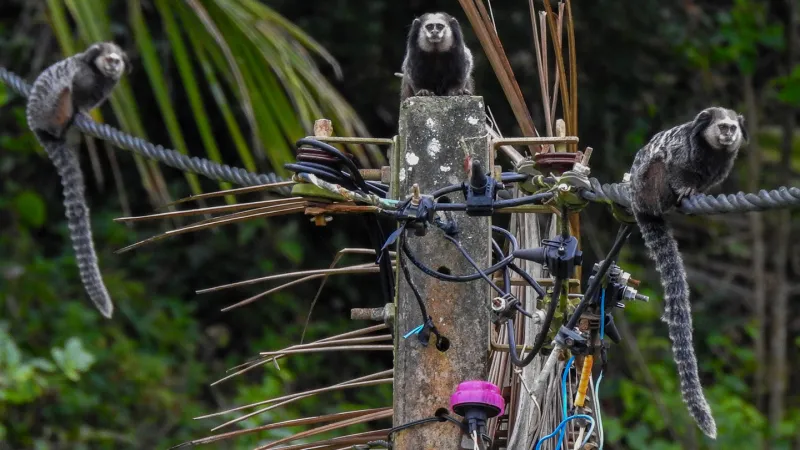
The recent emergence of yellow fever in Brazil, potentially linked to a severe drought and subsequent animal migration, presents a stark illustration of the complex interplay between climate change, ecological disruption, and human health. The article’s suggestion that drought-driven animal movement – essentially, bringing the forest to the city in search of dwindling water sources – may have initiated this outbreak is a concerning development, demanding careful scientific scrutiny and proactive preventative measures. This echoes observations made in our community regarding shifts in marine life distribution, as showcased in Brand New Magnipinna Squid Video!, where unusual sightings highlight potential changes in habitat utilization. Understanding these shifts, whether in terrestrial or marine ecosystems, is paramount to anticipating and mitigating future risks. The situation in Brazil underscores the need for integrated data systems capable of correlating environmental stressors, animal behavior, and disease prevalence – a concept central to the World Data Ocean’s mission of creating an integrated data ecosystem.
The re-emergence of yellow fever in Brazil, after decades of relative absence, is not simply a localized health concern; it’s a signal of a broader ecological instability. Yellow fever is a mosquito-borne viral disease endemic to tropical regions, and its transmission cycle is intricately linked to forest ecosystems and the animal reservoirs that host the virus. Prolonged drought conditions, as experienced in Brazil, force wildlife to seek water closer to human settlements, increasing the likelihood of mosquito-borne pathogen transmission. This phenomenon, while not entirely novel, is being amplified by the increasing frequency and intensity of extreme weather events linked to climate change. The case also highlights the limitations of current disease surveillance systems, particularly in detecting and responding to emerging zoonotic threats. The query regarding species identification in Can someone help me identify this species? Devonport, Tasmania underscores the fundamental challenge of accurately cataloging and monitoring biodiversity, a crucial prerequisite for understanding ecological shifts and potential disease risks. Such efforts require collaborative, global initiatives – precisely the kind of interconnectedness that World Data Ocean strives to foster.
The implications for ocean-adjacent communities are also significant. While this particular outbreak is terrestrial, the principles of ecological disruption and disease emergence apply across ecosystems. Changes in land use, deforestation, and climate-driven shifts in precipitation patterns can impact water quality and availability, creating conditions that favor disease vectors and alter the distribution of animal reservoirs, ultimately influencing the risk of zoonotic disease transmission. Moreover, the economic consequences of such outbreaks, including healthcare costs, trade disruptions, and reduced tourism, can have ripple effects on coastal economies dependent on healthy ecosystems. The recent documentary showcasing Dr. Sylvia Earle’s work, Deep sea documentary | A LIFE ILLUMINATED | Live Q&A with Dr. Sylvia Earle!, reminds us of the interconnectedness of all life on Earth, and the potential for disturbances in one ecosystem to impact others, including those critical to human well-being.
Ultimately, the yellow fever outbreak in Brazil serves as a potent reminder that planetary health is inextricably linked to human health. Addressing this challenge requires a multi-faceted approach, encompassing improved disease surveillance, enhanced ecological monitoring, climate change mitigation, and strengthened public health infrastructure. The World Data Ocean’s commitment to providing validated, real-time data and fostering global collaboration is essential in this endeavor. Looking ahead, a critical question emerges: how can we leverage integrated ocean intelligence to anticipate and mitigate the broader ecological and public health risks associated with climate-driven environmental changes, not just in coastal zones, but across the entire terrestrial-marine interface?
Read on the original site
Open the publisher's page for the full experience