climate change
climate change on World Data Ocean: a running collection of 48 stories we have gathered and hand-picked because they are worth your time. Every post here touches on climate change in some way — the news, the analysis, the deep dives, and the occasional surprise find. A Global Hub for Ocean Intelligence 4 World Data Ocean is a centralized digital platform where researchers, scientists, and ocean enthusiasts converge to explore, analyze, and… New stories are added to this page as we find them, so check back if you want to keep up with what is happening around climate change, or subscribe to the RSS feed to get them as soon as they are published. Browse the collection below, or head back to the homepage to see everything World Data Ocean is covering right now.

Giant Greenland iceberg slams into Joe Island and survives
A significant calving event occurred in August 2026 when a 76-square-kilometer iceberg detached from Greenland’s Petermann Glacier – the Arctic’s largest since 2020. Satellite data now tracks this colossal berg as it traverses Nares Strait after impacting Joe Island, remarkably surviving the collision intact. This event underscores the accelerating rate of glacial ice loss and its implications for Arctic sea ice dynamics. For further context on the broader scientific scrutiny of climate change research, see our related article, "Strange Peer review request."

Paraglacial lagoons of Svalbard: emerging ecosystems at the Arctic Land-Sea interface
Rapid Arctic glacier retreat is fundamentally reshaping coastal landscapes, creating novel aquatic habitats, particularly paraglacial lagoons. In Svalbard, these systems are expanding, yet remain understudied despite their growing ecological and biogeochemical significance. This synthesis integrates geomorphological, hydrological, ecological, and biogeochemical perspectives, revealing a developmental continuum from glacier-influenced basins to more stable lagoons exhibiting dynamic conditions and diverse communities.
Strange Peer review request
A recent discussion proposes leveraging narrative storytelling to enhance the communication of complex environmental science, particularly concerning climate change, arguing that emotional engagement can drive greater behavioral change. This perspective challenges traditional, fact-based approaches. An emeritus professor of marine and earth science, observing a disconnect between intellectual understanding and risk perception among students—including a prevalent techno-optimism—has undertaken an innovative approach: crafting an eco-mystery to convey scientific concepts. He invites peer review of an advance copy, recognizing the unconventional nature of the request.

How global warming shakes the Earth: Seismic data show ocean waves gaining strength as the planet warms - PreventionWeb
Emerging research reveals a previously unquantified consequence of global warming: amplified seismic activity linked to intensifying ocean waves. Utilizing a network of seismic sensors, scientists have documented a measurable increase in low-frequency ground vibrations correlated with rising sea temperatures and wave energy. This phenomenon highlights the far-reaching impacts of climate change, extending beyond surface observations.
Even The Deepest Parts of The Ocean Are Slowly Beginning to Warm - ScienceAlert
Recent empirical data confirms a concerning trend: even the deepest regions of the world's oceans are experiencing gradual warming. This phenomenon, detailed in ScienceAlert, challenges previous assumptions about the ocean's thermal stability and underscores the pervasive impact of climate change. World Data Ocean prioritizes validated, longitudinal data to understand these shifts. For deeper analysis of related oceanic changes, explore our coverage of "Linear trends in salinity for the World Ocean, 1955–1998," which provides valuable historical context.
Evidence for a decoupling of Todarodes pacificus thermal spawning habitat and paralarval recruitment in the warming East Sea
Recent research highlights a concerning decoupling between thermal spawning habitat and paralarval recruitment for *Todarodes pacificus* in the rapidly warming East Sea. Analysis of a 26-year reconstruction of suitable spawning habitat reveals a poleward shift, yet paralarval occupancy within that habitat has significantly declined since 2020, reaching a series low in 2025–2026. This suggests a disruption in the climate-recruitment relationship, a hypothesis requiring further validation with continued survey data.
Plankton imager 10 monitoring in the southern North Sea: an open workflow for classification, morphometry and DwC-A publication
Plankton, foundational to marine food webs, are increasingly vulnerable to climate change impacts. High-frequency plankton imaging offers crucial insights into community composition and size, yet standardized workflows for processing and publishing these data remain scarce. This study details the deployment of the Plankton Imager 10 (Pi-10) in the southern North Sea and introduces an open, modular pipeline for data processing, classification, and Darwin-Core Archive (DwC-A) publication.
A vital system of Atlantic Ocean currents is weakening and closer to collapse than thought, new studies find - CNN
Emerging research indicates a concerning acceleration in the weakening of the Atlantic Meridional Overturning Circulation (AMOC), a critical system of ocean currents, potentially nearing a point of abrupt collapse sooner than previously projected. These findings, detailed in recent studies, underscore the urgency of understanding and mitigating climate impacts. World Data Ocean prioritizes validated, longitudinal data to monitor these shifts. For deeper insights into data collection efforts, explore our coverage of how participants in The Ocean Race Atlantic are contributing to climate data acquisition.
Linear trends in salinity for the World Ocean, 1955–1998 - Boyer - 2005 - Geophysical Research Letters - AGU Publications
A landmark 2005 study by Boyer, published in *Geophysical Research Letters*, revealed significant linear trends in global ocean salinity between 1955 and 1998. This peer-reviewed research, utilizing a substantial, calibrated dataset, identified widespread freshening across the North Atlantic and localized salinification in other regions. Understanding these longitudinal shifts is critical for refining climate models and assessing ocean circulation patterns. Further exploration of sleep science and its impact on data interpretation can be found in "To nap or not to nap?".
Sailors competing in The Ocean Race Atlantic will collect climate data from weakening Gulf Stream - Sail-World.com
Competitors in The Ocean Race Atlantic are contributing to critical climate research by collecting real-time data on the Gulf Stream's weakening flow. This innovative collaboration provides valuable, longitudinal insights into a vital climate indicator. The data, gathered from a global fleet, will enhance ocean intelligence and support validated assessments of ocean health. Understanding these shifts is paramount for informed stewardship. For further exploration of coastal ecosystem pressures, see our related article, "Abundance of Indian Ocean humpback dolphins."
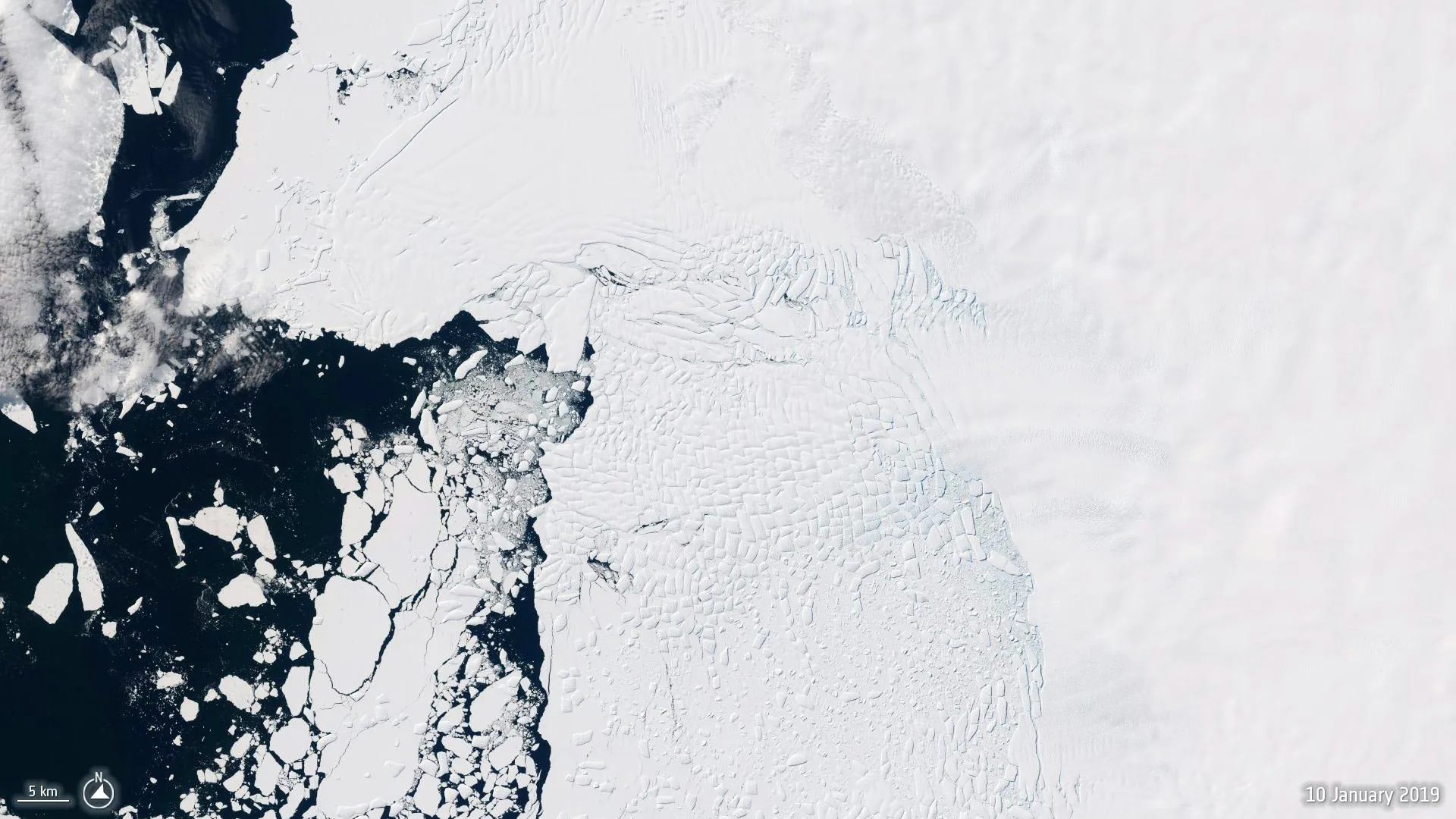
Hundreds of hidden earthquakes found at Antarctica’s Doomsday Glacier
Recent analysis reveals hundreds of previously undetected seismic events occurring beneath Antarctica, with 245 concentrated near the Thwaites Glacier—often referred to as the "Doomsday Glacier." These events, many classified as glacial earthquakes, likely result from iceberg calving, capsize, and subsequent collisions. The observed surge in activity correlates with a period of accelerated glacial flow, suggesting destabilization potentially driven by changing ocean conditions. For further exploration of oceanographic challenges, see our article, "Persistent mid-water column hypoxia in a temperate fjord of the northeast Pacific Ocean.”
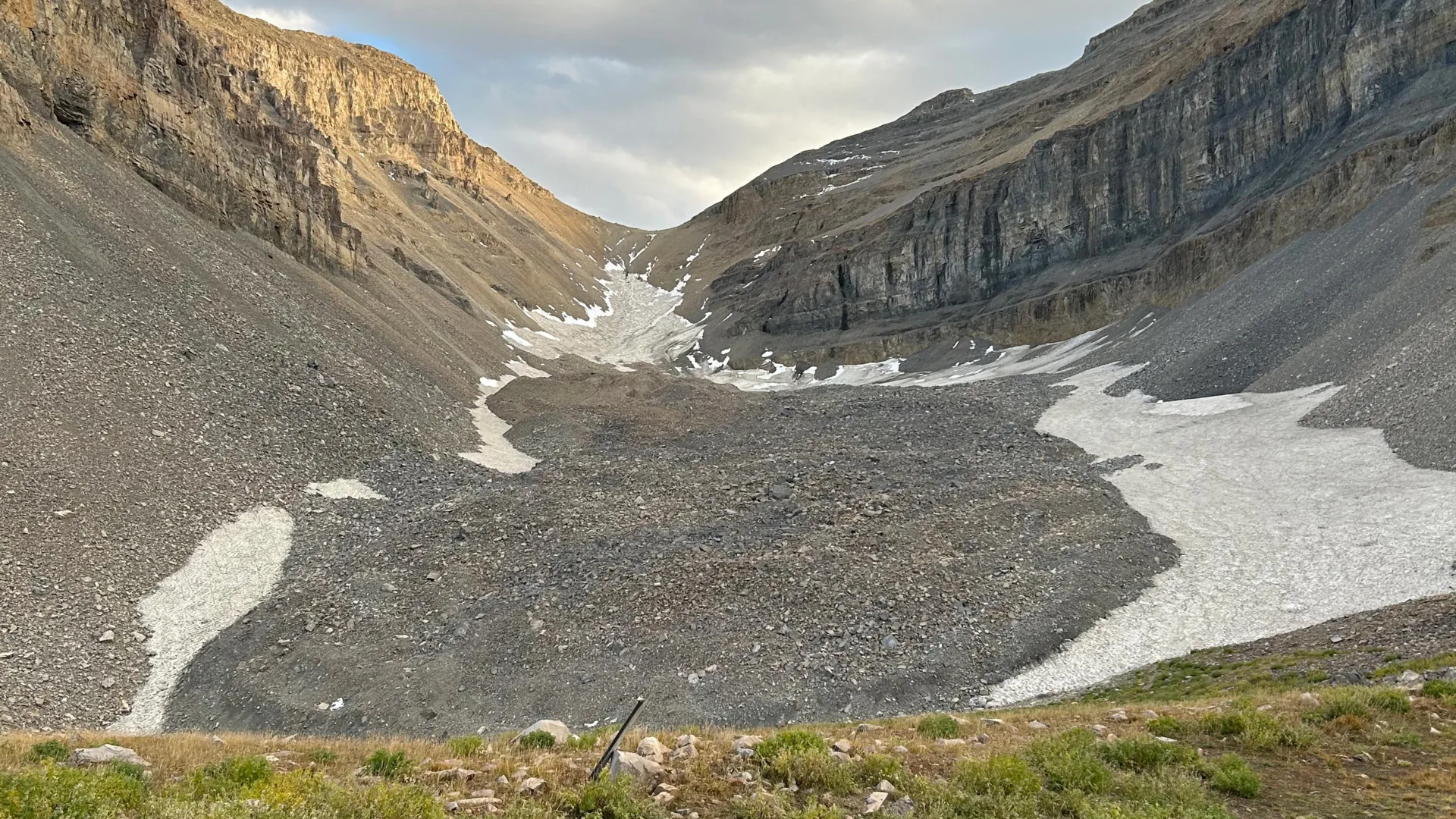
Scientists find a huge hidden ice reservoir beneath Utah’s mountains
Beneath the slopes of Utah’s Mount Timpanogos, scientists have discovered a significant, previously undocumented ice reservoir. Utilizing gravity measurements, researchers created a three-dimensional map revealing the buried glacier comprises approximately 83% ice – a volume equivalent to 600 Olympic swimming pools. This discovery highlights the formation of rock glaciers, where accumulating debris preserves snow for millennia. The findings suggest similar formations globally may collectively store tens of gigatons of water, prompting further investigation into this overlooked climate indicator.
Mapped: How ‘proxy’ data reveals the climate of the Earth’s distant past - Carbon Brief
Reconstructing Earth’s climate history extends far beyond direct measurements. Carbon Brief’s “Mapped: How ‘proxy’ data reveals the climate of the Earth’s distant past” details how scientists utilize empirical data—known as “proxies”—from sources like ice cores and sediment layers to validate climate models and understand long-term trends. These calibrated proxies provide longitudinal records, offering invaluable ocean intelligence. For deeper insights into related Earth systems processes, explore our article, “Forces deep inside Earth helped Antarctica freeze before the Arctic.”
Persistent mid-water column hypoxia in a temperate fjord of the northeast Pacific Ocean
Coastal waters globally face increasing susceptibility to hypoxia, or low-oxygen conditions, often driven by human activities. This study identifies a persistent, mid-water column hypoxic layer within a remote northeast Pacific fjord—an unusual occurrence lacking a typical entrance sill. Sustained by limited reoxygenation and influenced by fjord morphology, this low-oxygen zone expands seasonally and exhibits adverse marine CO2 conditions, impacting local calcifiers.
Intensifying concurrent marine–atmospheric heatwaves in the marginal seas of the Arabian Peninsula: implications for coral bleaching and ocean productivity
Intensifying concurrent marine–atmospheric heatwaves (CHWs) across the Arabian Peninsula's marginal seas pose a significant and escalating threat to coral reefs and ocean productivity. A recent study, analyzing data from 1982–2021, reveals a marked increase in the frequency and duration of these events, extending both marine and atmospheric heatwaves. Findings indicate that CHWs are the primary drivers of coral bleaching—accounting for nearly 70-80% of severe events—and trigger substantial declines in chlorophyll-a concentrations.
NOAA Releases SOCAT and GLODAP Data to Advance Ocean Carbon Monitoring - environment coastal & offshore
NOAA has released updated versions of the Surface Ocean CO₂ Atlas (SOCAT) and the Global Ocean Data Analysis Project (GLODAP) datasets, representing a significant advancement in ocean carbon monitoring. These peer-reviewed, integrated data ecosystems provide validated, real-time measurements crucial for understanding the ocean's role as a climate regulator. The releases bolster efforts to quantify the ocean carbon sink, as detailed in a related article from NOAA's National Centers for Environmental Information. These resources empower researchers and policymakers with empirical data to inform climate action strategies.

Global Sea Surface Temperature Hits Record High Of 21.1°C In August 2026
In August 2026, the global average sea surface temperature (SST) reached a record high of 21.1°C, surpassing the previous benchmark established in March 2024. This validated measurement underscores the escalating impact of climate change on ocean systems worldwide. Data from our integrated data ecosystem confirms this significant anomaly, highlighting the need for continued longitudinal monitoring and empirical analysis.
World’s oceans hit hottest temperature on record in August - The Guardian
Recent data confirms a concerning milestone: global ocean temperatures reached record highs in August, according to reporting by *The Guardian*. This unprecedented warming, validated by empirical measurements, underscores the escalating impact of climate change on marine ecosystems. World Data Ocean provides integrated data ecosystem insights to track these climate indicators and support informed ocean stewardship. For deeper understanding of related processes, explore our article detailing a newly discovered Arctic cloud factory and its implications for climate models.
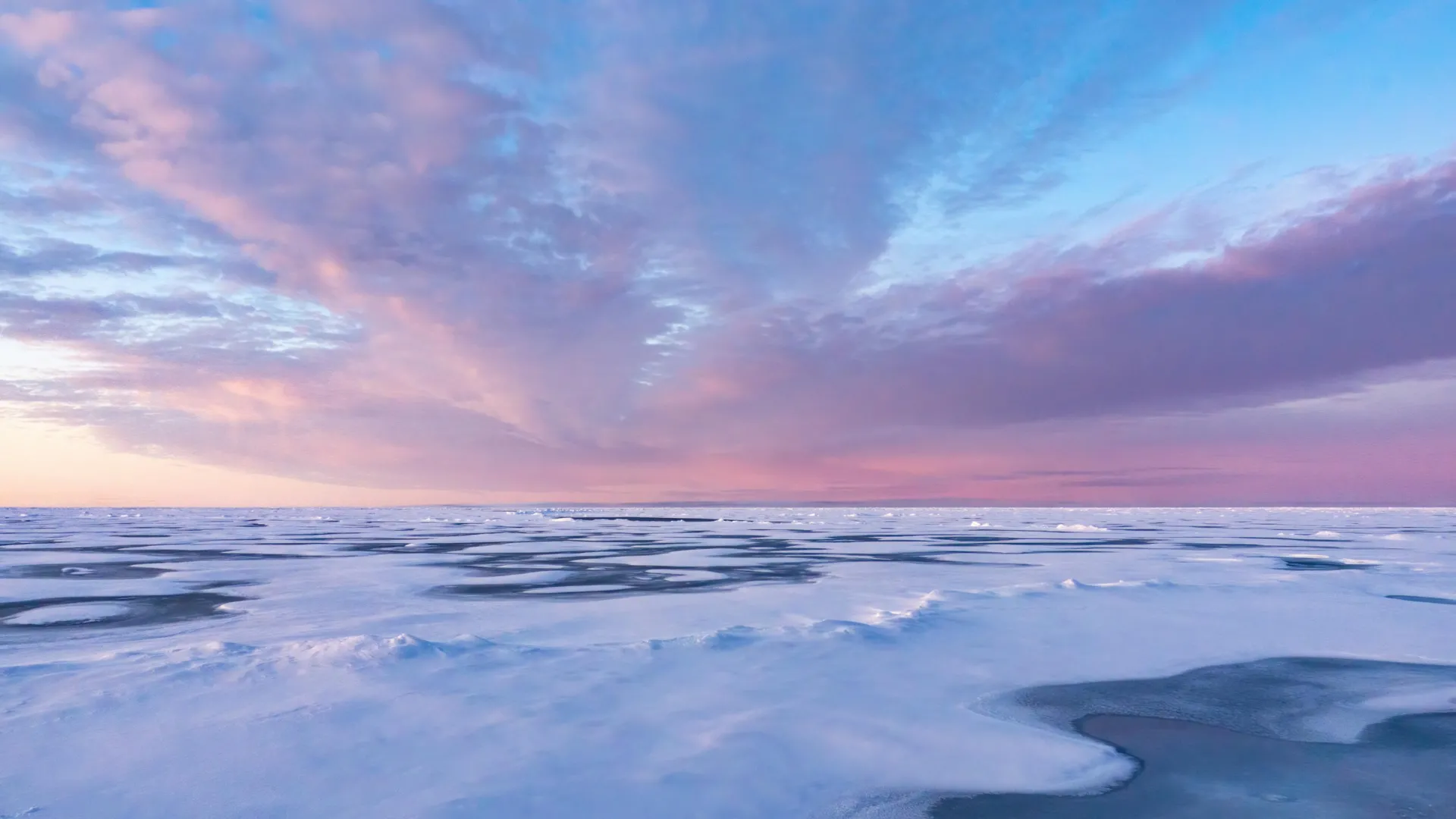
Scientists discover a natural Arctic cloud factory missing from climate models
Newly validated research reveals a previously unmodeled Arctic process significantly impacting cloud formation. Near retreating sea ice, sunlight triggers a chemical reaction, multiplying cloud-seeding particles by up to 50 times daily. This “cloud factory,” driven by ocean chemicals, algae, and ice, is expanding as sea ice diminishes, potentially reshaping Arctic warming trends. Scientists are prioritizing integration of this empirical finding into climate models.
Climate change-related stressors in aquaculture: modulation of gill microbiota and transcriptome in Atlantic salmon
Climate change poses a significant and escalating threat to aquaculture, particularly through rising temperatures, marine heatwaves, and jellyfish blooms. This study investigates the complex interplay of these stressors on Atlantic salmon (Salmo salar), focusing on gill health. Researchers utilized advanced sequencing techniques to analyze gill microbiota and transcriptome responses following exposure to elevated temperatures and jellyfish. Findings reveal a significant shift in microbial communities, notably increased Streptococcus and Staphylococcus, alongside altered gene expression related to immune response and tissue integrity.

How a brutal drought may have helped unleash yellow fever in Brazil
Recent research suggests a severe drought in Brazil may have played a critical role in the emergence of yellow fever cases—a phenomenon not observed in decades. As animals desperately sought dwindling water sources, they inadvertently facilitated the spread of the virus from forested areas into urban environments. This unprecedented event underscores the complex interplay between climate change, ecological disruption, and public health. For further exploration of remarkable deep-sea discoveries, see our recent article, "Brand New Magnipinna Squid Video!"
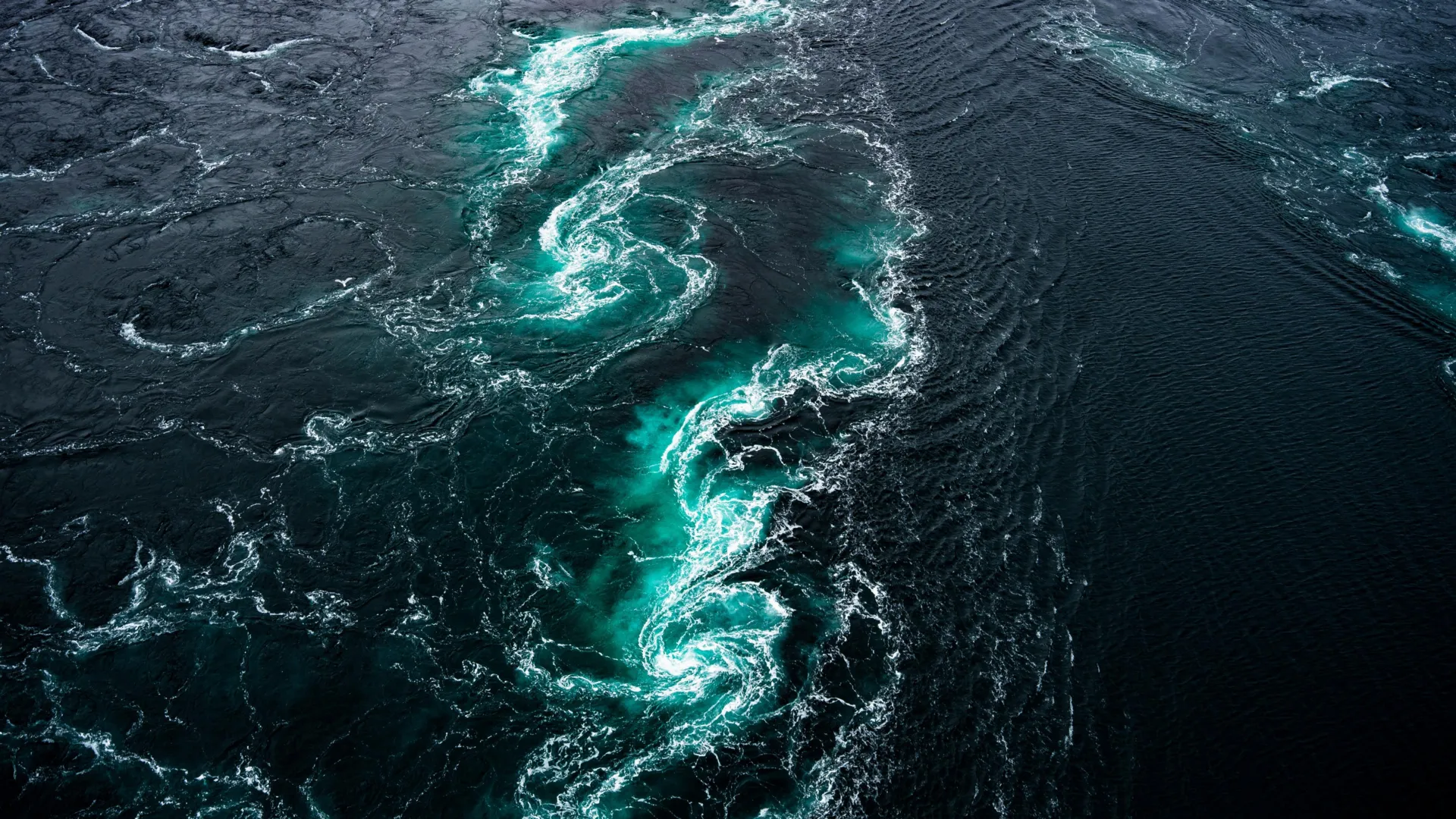
The Atlantic Ocean can handle more warming than expected — with one big catch
Recent research indicates the Atlantic Ocean’s capacity to absorb warming may exceed initial projections—though this resilience hinges on the rate of temperature increase. Scientists have established that the Atlantic Meridional Overturning Circulation (AMOC), a critical ocean current, demonstrates heightened vulnerability to rapid warming compared to gradual changes. While slow warming allows for adaptation, accelerated rates—consistent with current trends—risk triggering a tipping point at surprisingly lower temperatures.
Marine heatwaves are harming human health in surprising ways
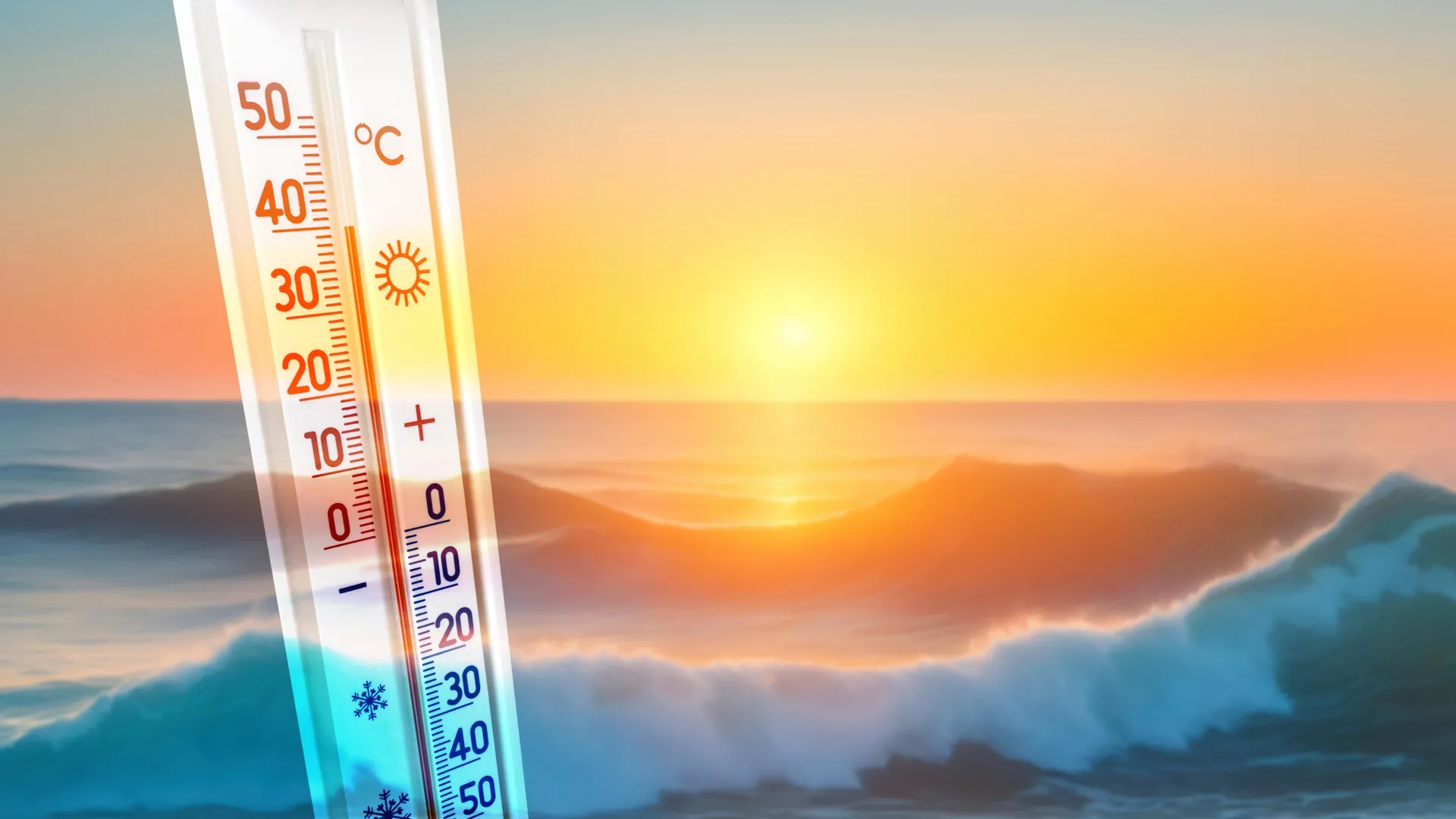
Marine heatwaves, once primarily understood as threats to marine ecosystems, are now recognized as a growing danger to human health. Research validates that unusually warm ocean temperatures can intensify storms, promote harmful algal blooms, and diminish seafood availability—directly impacting coastal livelihoods. Beyond these tangible effects, studies indicate a correlation between marine heatwaves and increased rates of anxiety, grief, and depression within vulnerable communities. Further exploration of these complex social-ecological interactions can be found in our article, "Tourism and coastal fisheries interaction."
Assessing the contribution of euphausiids’ fecal pellets to greenhouse gas inventories in the Eastern South Pacific
The Eastern South Pacific (ESP) presents a complex productivity gradient, with coastal regions representing a notable source of greenhouse gases (GHGs). This study investigates a previously underexplored factor: the contribution of euphausiid (krill) fecal pellets to GHG inventories—specifically CO2, N2O, and CH4—within the mixed layer. Experiments revealed that krill pellets represent a potential range, acting as both sources and sinks, with an estimated contribution of less than 1%.