An experimental oral vaccine may prevent invasive bacterial diarrhea
Our take
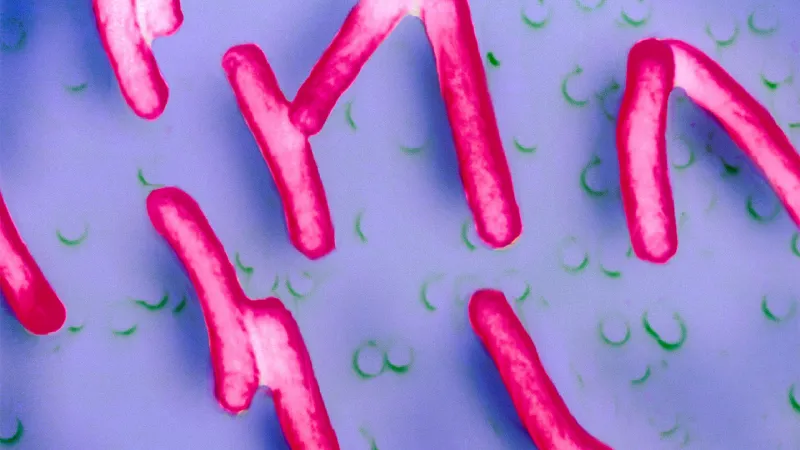
The emergence of a potentially effective oral vaccine against *Shigella* represents a significant step forward in global public health, particularly within the context of vulnerable coastal communities and maritime trade routes. *Shigella*, responsible for an estimated 450,000 infections annually within the United States alone, poses a far greater threat in regions with limited sanitation and healthcare infrastructure. The recent small human trial demonstrating protection in adults is encouraging, though further validation through larger, longitudinal studies is crucial. This development occurs amidst a complex geopolitical backdrop impacting global trade and maritime security. Recent actions in the Strait of Hormuz, including Iran’s Iran’s Islamic Revolutionary Guard Corps Navy Intercepts & Detains 4 Ships In Strait Of Hormuz and shifting U.S. policy surrounding transit fees, Trump Cancels 20% Fee Plan On Hormuz Transits For Direct Trade Deals With Gulf Countries, highlight the interplay between international relations and the spread of infectious diseases facilitated by global shipping.
The clinical efficacy of an oral vaccine is particularly attractive due to its ease of administration and potential for widespread distribution, especially in resource-constrained settings. Unlike injectable vaccines, oral formulations circumvent the need for trained healthcare professionals and cold-chain infrastructure, dramatically increasing accessibility. This is especially relevant when considering the potential for *Shigella* transmission in maritime environments, where sanitation can be challenging and populations are often transient. The emergence of antibiotic-resistant strains of *Shigella* further underscores the urgent need for alternative preventative measures. The validated development of an effective vaccine could significantly reduce the burden of diarrheal disease globally, lessening the pressure on healthcare systems and improving overall public health outcomes, especially for vulnerable populations concentrated in coastal regions reliant on maritime trade. Ultimately, integrating this potential vaccine into existing public health strategies requires a calibrated approach, accounting for regional variations in disease prevalence and the complexities of vaccine delivery.
The broader significance of this advancement extends beyond *Shigella* itself. It demonstrates the continued progress in vaccine technology and the potential for creating effective oral vaccines against other enteric pathogens. The integrated data ecosystem that facilitates this research, combining epidemiological data, genomic sequencing, and clinical trial results, is vital for prioritizing interventions and guiding future research. Furthermore, the development process itself exemplifies the importance of global collaboration, bringing together researchers and institutions from diverse backgrounds to address a common challenge. Understanding the mechanisms of immune response elicited by this vaccine – and how they may differ across age groups and populations – will be crucial for optimizing its effectiveness. Empirical data from larger trials will be necessary to calibrate dosage and administration schedules, ensuring maximal protection and minimal adverse effects.
Looking ahead, a critical question to observe is how this vaccine – if proven successful in larger trials – will be integrated into existing disease prevention programs, particularly in low-income countries. The cost-effectiveness of widespread vaccination campaigns, coupled with the logistical challenges of distribution and cold-chain maintenance (even with an oral vaccine, stability during transport and storage remains a consideration), will be key determinants of its ultimate impact. The global ocean intelligence derived from careful monitoring of disease prevalence, coupled with predictive modeling of potential outbreaks, will be instrumental in guiding targeted vaccination efforts and mitigating the spread of *Shigella* and other waterborne pathogens, particularly within the complex and interconnected world of maritime trade, as exemplified by recent shifts in U.S. policy regarding the Trump Declares U.S ‘Guardian of Hormuz Strait,’ & Imposes 20% Cargo Fee On Ships routes.
Read on the original site
Open the publisher's page for the full experience