No refrigerator, no problem. This experimental vaccine doesn’t need it.
Our take
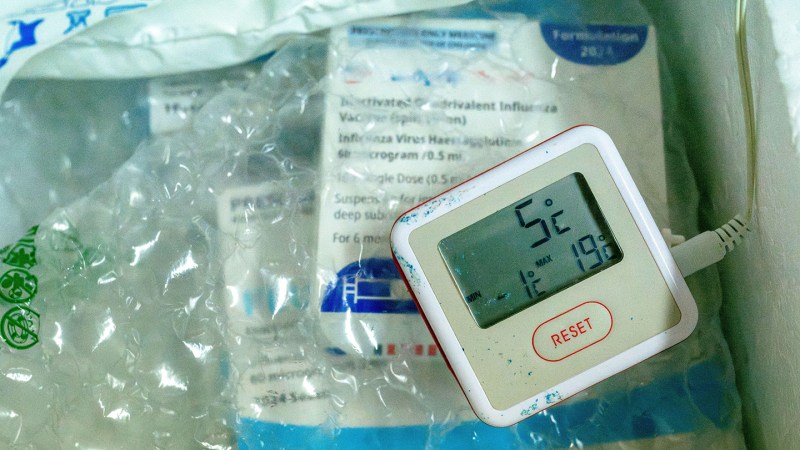
The recent announcement of a vaccine effective against tetanus and diphtheria that doesn’t require refrigeration represents a significant advancement with far-reaching implications for global health equity. Current vaccine distribution relies heavily on a “cold chain”— a meticulously maintained system of refrigeration and freezing—which presents considerable logistical challenges, particularly in resource-limited settings. Disruptions to this chain, whether due to power outages, inadequate infrastructure, or remote locations, can render vaccines ineffective, undermining immunization efforts and leaving vulnerable populations exposed to preventable diseases. This new development directly addresses this critical bottleneck, potentially revolutionizing vaccine delivery and expanding access to life-saving immunizations worldwide. The progress aligns with broader advancements in vaccine technology, as demonstrated by the promise of the first mRNA flu vaccine Here’s what the first mRNA flu vaccine could mean for flu season, which showcases the ongoing innovation within the field. Understanding how environmental factors can impact disease transmission—as highlighted in the recent analysis of yellow fever outbreaks How a brutal drought may have helped unleash yellow fever in Brazil—further emphasizes the need for adaptable and resilient healthcare solutions.
The absence of refrigeration requirements drastically reduces the complexity and cost of vaccine distribution. It eliminates the need for specialized equipment, reduces the risk of spoilage, and enables wider deployment in areas lacking reliable electricity or cold storage facilities. Consider the impact on humanitarian aid efforts during natural disasters or conflict zones, where maintaining a cold chain is often impossible. This technology allows for rapid and effective vaccination campaigns, protecting populations from outbreaks and reducing the burden of disease. While the early trials are promising, it's crucial to acknowledge that further research and validation through larger, more diverse populations are necessary to confirm the long-term efficacy and safety profile of this novel vaccine formulation. Peer-reviewed longitudinal studies will be essential to fully characterize its performance under various environmental conditions and across different demographic groups. The economic implications are also considerable; reduced logistical costs translate to greater efficiency in resource allocation and potentially lower overall healthcare expenditures.
This development builds on a growing trend within the pharmaceutical industry toward formulating vaccines and therapeutics with increased stability and resilience. The pursuit of thermostable vaccines isn't new; researchers have been exploring various strategies to enhance vaccine shelf life and reduce cold chain dependency for decades. However, recent advancements in formulation science and nanotechnology have yielded particularly promising results. Furthermore, the broader scientific community is increasingly focused on understanding the impact of lifestyle choices on health, as evidenced by the cautionary analysis of the protein craze The protein craze may not be for everyone. This highlights the importance of considering not just medical interventions, but also preventative measures and holistic health strategies. The integration of these diverse areas of research—from vaccine development to environmental health—is crucial for creating a comprehensive and sustainable approach to global well-being.
Ultimately, the success of this refrigerator-free vaccine hinges on its scalable manufacturing and equitable distribution. Ensuring that this innovation reaches the communities that need it most will require collaborative efforts between governments, international organizations, and pharmaceutical companies. The data generated from real-time monitoring of vaccine performance in diverse settings will be invaluable for optimizing distribution strategies and informing future vaccine development. As we move forward, a key question to watch is whether this breakthrough will spur further innovation in thermostable formulations for other essential vaccines, potentially transforming global immunization programs and contributing to a healthier, more resilient world.
Read on the original site
Open the publisher's page for the full experience