health
health on World Data Ocean: a running collection of 5 stories we have gathered and hand-picked because they are worth your time. Every post here touches on health in some way — the news, the analysis, the deep dives, and the occasional surprise find. A Global Hub for Ocean Intelligence 4 World Data Ocean is a centralized digital platform where researchers, scientists, and ocean enthusiasts converge to explore, analyze, and… New stories are added to this page as we find them, so check back if you want to keep up with what is happening around health, or subscribe to the RSS feed to get them as soon as they are published. Browse the collection below, or head back to the homepage to see everything World Data Ocean is covering right now.

The Sept. 11 disasters still shape people’s health 25 years later
Twenty-five years after the September 11th attacks, the long-term health consequences for first responders and survivors remain a significant concern. Empirical data continues to validate the enduring physical and mental health challenges faced by those exposed to the disaster’s aftermath. Longitudinal studies reveal persistent respiratory illnesses, psychological trauma, and other debilitating conditions. Understanding these impacts underscores the importance of ongoing research and support. For further exploration of related health challenges, see our article, "To nap or not to nap?

To nap or not to nap? Science is still waking up to the question
The persistent challenge of insufficient nighttime sleep has spurred exploration into the potential benefits—or drawbacks—of daytime napping. While intuitively appealing, the science surrounding segmented sleep remains surprisingly undefined. Current research has yet to definitively validate whether incorporating naps into a sleep schedule promotes overall health. This question underscores the complexities of human physiology, a realm further explored in our editorial, "Using direct microbiome manipulation to understand causal roles of microbes in the health and stress resistance of corals."

Editorial: Using direct microbiome manipulation to understand causal roles of microbes in the health and stress resistance of corals
## Editorial Introduction: Coral Microbiome Manipulation Understanding coral health—and bolstering its resilience to environmental stressors—is paramount. This editorial explores a promising avenue: direct microbiome manipulation. By precisely altering coral-associated microbial communities, researchers can begin to elucidate causal relationships between specific microbes and coral physiology, ultimately informing targeted conservation strategies. This approach moves beyond correlation to establish definitive links. For further exploration of related research, see our article, "Microbes might get freeze-dried on the moon’s south pole," which highlights the surprising adaptability of microbial life.
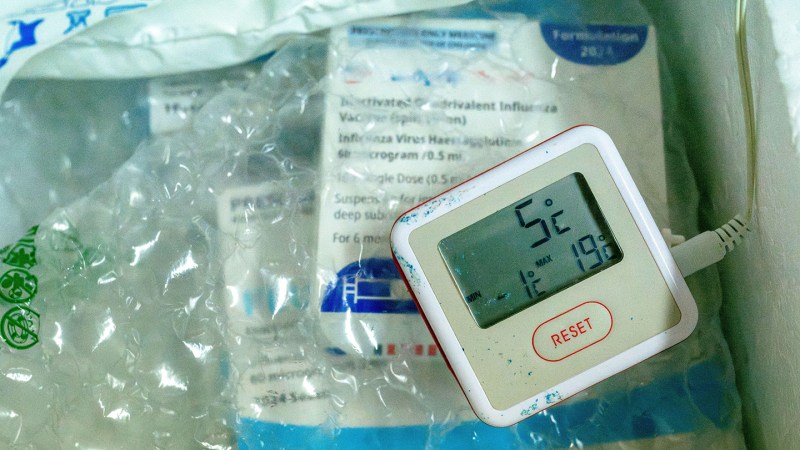
No refrigerator, no problem. This experimental vaccine doesn’t need it.
Recent trials demonstrate a significant advancement in vaccine technology: a novel formulation protecting against tetanus and diphtheria without the need for refrigeration. This innovation represents a crucial step toward broader accessibility, particularly in resource-limited settings. Early results validate the vaccine’s efficacy, offering a potentially transformative solution for global health initiatives. Further research builds on this progress, as explored in our article, "Here’s what the first mRNA flu vaccine could mean for flu season," detailing advancements in immunological responses.

The protein craze may not be for everyone
The pursuit of increased protein intake has gained considerable traction, yet emerging data suggest this trend may not be universally beneficial. Longitudinal studies indicate that elevated protein consumption in sedentary individuals could potentially accelerate biological aging processes. While protein plays a vital role in numerous physiological functions, its impact is nuanced and context-dependent. Further research, as explored in our article "How one amino acid might help fight colon cancer and infections," continues to illuminate the complex interplay between dietary components and long-term health outcomes.