Shifting Cargo: Russian Terminals Adapt for Grain Export Surge
Russia’s maritime infrastructure is undergoing a significant shift as Baltic and Arctic terminals, traditionally handling fertilizers, coal, and other bulk commodities, are being repurposed to accommodate a surge in…
·6 min read·Marine Insight
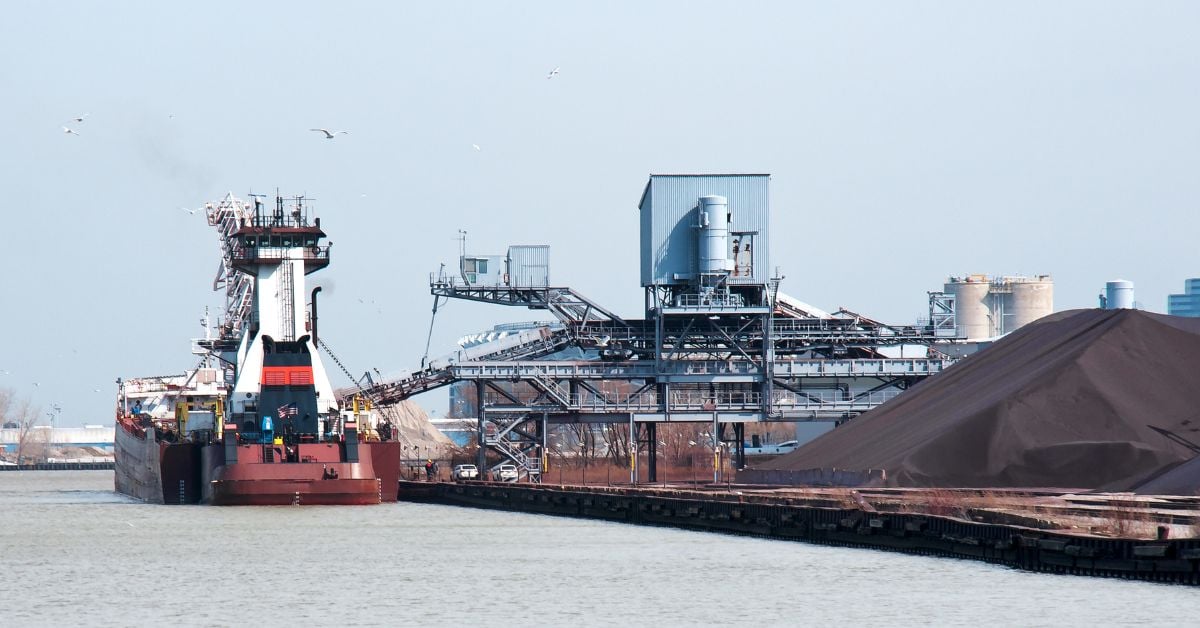
Image for representation purposes only
Russia’s Baltic and Arctic terminals, which specialise in handling fertiliser, coal and other bulk, are being repurposed to export grain as Ukrainian attacks on Black Sea facilities have disrupted shipping.
Moscow, the biggest exporter of wheat in the world, has seen a drastic reduction in port operations along the Black Sea Coast, through which 90% of its grain was shipped.
This happened in the last few months due to continuous drone and missile strikes, which damaged infrastructure, including storage facilities and ships berthed at the ports.
According to sources, a privately owned terminal on the Baltic Sea at the Port of Ust-Luga is handling grain shipments instead of mineral fertilisers, which it usually shipped. The facility called Ultramar has a 37 million metric ton capacity.
Russia’s biggest grain and logistics firm, Demetra, was considering exporting its cargo from Ultramar, though there are no confirmations, a source familiar with the matter said.
The terminal has handled grain since the beginning of August 2026, with most of it destined to Saudi Arabia and Egypt.
This is the first time the terminal specialising in mineral fertilisers has been adapted to ship grain. Last year, Ultramar exported 16 million tons of fertilisers.
Terminals at the Port of St. Petersburg, namely BSMZ and Modul, which did not ship grain, have now started taking wheat, with Modul handling around 70,000 tonnes of grain monthly, though rerouting grain shipments from these terminals is becoming costly for Russia.
An industry expert said the Baltic terminals’ spare handling capacity is enough to accommodate grain without affecting fertiliser shipments.
This strategy has boosted the handling capacity of Russia’s Baltic and Arctic Ports, which were not operating at their maximum potential until now.
Their total grain handling capacity has been estimated between two to seven million metric tons, in comparison with the over sixty million metric tonnes of the southern ports.
Another key Russian Port, Murmansk, with an annual cargo handling capacity of 24 million tonnes, announced that it will handle grain from October 2026 onwards, though it remains unclear which terminals would be used, since the port deals with ore, metals and coal.
There are no reports of new construction either; hence, existing terminals might be adapted to accommodate grain.
Murmansk is the fourth biggest Russian port, which can accommodate Panamax-class ships as well; hence, adapting it to ship grain would not lead to additional costs.
It lies 2700 km away from another strategic port, Novorossiysk, which has become the target of attack by Ukrainian forces multiple times. The port remains free from ice throughout the year and is quite accessible for large ships.