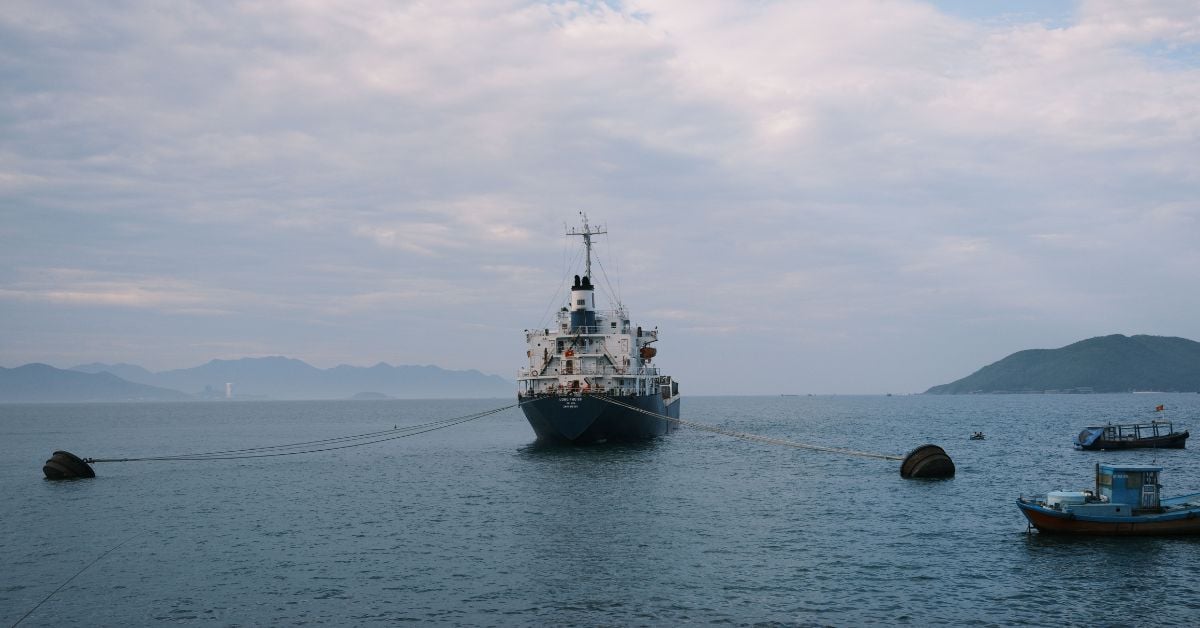
A clan from Iraq's Al-Shaghanba tribe reclaimed a hijacked tanker after a five-hour firefight with Somali pirates in the Gulf of Aden. This is not a story about state navies or international coalitions. It is a story about a community that decided its own fate when institutional responses either failed or were too slow. The vessel's crew and cargo were recovered through direct, armed action by the ship's owners and their kin, not through a negotiated settlement or a multinational rescue operation. The event sits uncomfortably alongside recent reports that Puntland Forces Intercept Hijacked, US-Sanctioned Oil Tanker After 48 Hours and that the Expanded Naval Presence Calibrated for Red Sea Shipping Security may require more than ten warships to be effective. The contrast is instructive: formal security architectures are struggling to scale, while local actors are filling the gap with speed and lethality.
Our take is that this incident is a data point in a larger, measurable trend. Maritime security in the Gulf of Aden and the Red Sea is fragmenting. When a private clan can plan and execute a five-hour boarding operation against pirates, it signals that the cost of insecurity has become unbearable for those whose livelihoods depend on the sea. For our readers, researchers, policymakers, and maritime professionals, this should be treated as an empirical signal, not an anecdote. The question is whether we are witnessing a temporary anomaly or the emergence of a new model for maritime self-defense. If clan-based recovery becomes a repeatable pattern, it will fundamentally alter the risk calculus for shipowners, insurers, and navies. The integrated data ecosystem we rely on to track shipping security will need to calibrate for non-state armed responses as a variable, not an outlier.
What we would tell a reader who asks about this is straightforward: watch the response from Somali coastal authorities and the wider pirate networks. A five-hour battle with casualties will not go unanswered, and the retaliation may take forms that are harder to track than a hijacking. The Fatal Attack on Cargo Ship Highlights Black Sea Shipping Risks reminds us that escalation in one maritime theater can ripple into others, as risk premiums adjust and vessels reroute. The specific consequence to watch is whether this clan action triggers a cycle of reprisal hijackings or, conversely, deters future attacks by demonstrating that the cost of seizure now includes a swift, violent response from private actors. Either outcome is measurable, and either will change the ocean intelligence we need to collect.