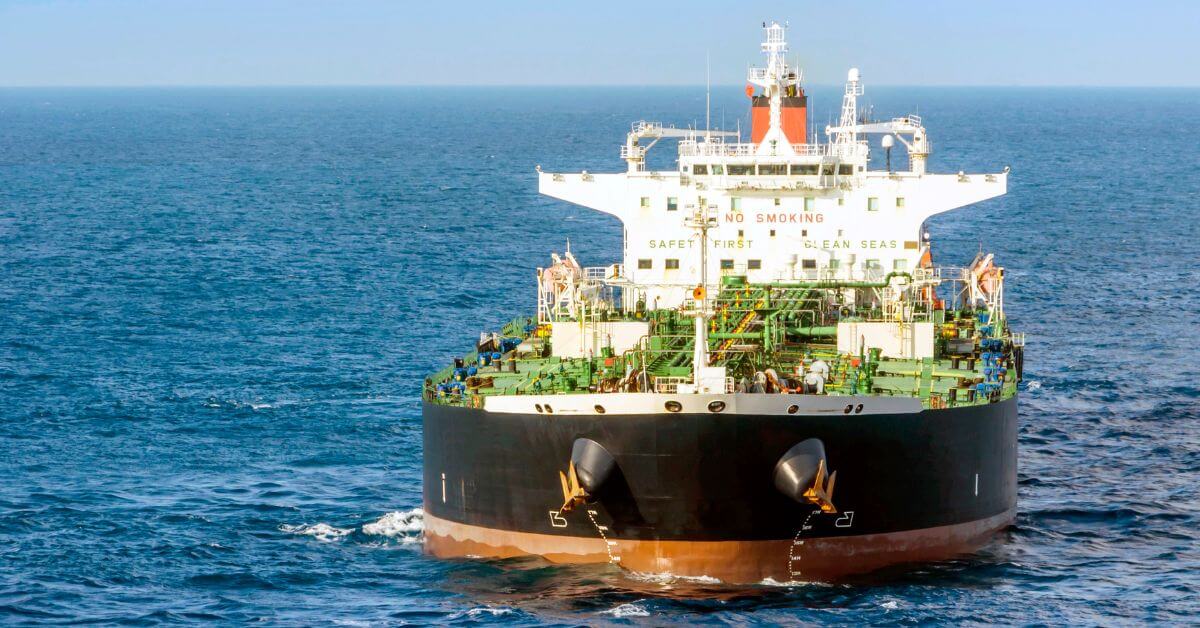
The 48-hour standoff off the coast of Somalia ended not with a dramatic firefight, but with coordinated interceptions by Puntland forces. A US-sanctioned oil tanker, hijacked by pirates, is now back under control. For the shipping industry, this is a reminder that the operational risks of moving petroleum have not disappeared; they have merely shifted shape. The same waters that test regional stability continue to challenge the private sector, and the response required is as much about logistics and intelligence as it is about security.
What strikes us here is the quiet integration of systems that made the rescue possible. Piracy interdiction is rarely a single-nation effort; it relies on shared maritime domain awareness, something our Integrated Subsea Cables Enhance Data Transmission Across the Indian Ocean article shows is expanding across the Indian Ocean. The same data pipelines that carry commercial traffic information are increasingly the backbone of maritime security. When a sanctioned vessel moves through pirate-infested waters, the gap between legal frameworks and on-water reality becomes visible. The tanker was sanctioned before the hijacking; that status did not deter the pirates, nor did it make the rescue simpler. It did, however, complicate who could be notified and what legal options were available to the crew and owners.
The practical takeaway for our readers is that compliance and security are converging. Vessels operating in these regions need to treat their position data, cargo manifests, and communication logs as first-line defenses. Bridging Data Gaps: Integrating Citizen Science for Ocean Intelligence highlights how under-observed coastal zones are, and this incident underscores that point. A hijacking is a failure of observation before it is a failure of response. The more eyes on the water, whether they belong to state navies or commercial watch-standers, the shorter the window for pirates to exploit. This was a 48-hour operation, which is considered fast, but the initial hours of a hijack are often the most chaotic and least monitored.
We would tell a reader who asked us about this incident to watch the legal aftermath, not just the tactical one. Sanctioned vessels operating in contested waters sit at the intersection of two high-stakes policy regimes: counter-piracy and trade restrictions. The rescue by Puntland forces succeeded, but it raises an uncomfortable question: what happens when the next hijacked vessel is not just sanctioned, but also carrying a cargo that is volatile or hazardous? The coordination that worked here relied on regional forces acting decisively. Whether the international community can provide the same level of support for the next incident, without the benefit of a 48-hour timeline, remains an open detail worth monitoring closely.