Worker Dies In A Tragic Accident At New Zealand’s CentrePort In Wellington
Our take

The tragic loss of a worker at CentrePort Wellington underscores a persistent and concerning reality within global maritime operations: the inherent risks associated with port activity and cargo handling. While specific details surrounding the accident remain under investigation, events like this serve as a stark reminder of the complex interplay of machinery, human factors, and environmental conditions that contribute to potential hazards. The incident follows recent events highlighting vulnerabilities across various ports worldwide, including a concerning fire involving a crane at India’s Mumbai Port Video: Crane Catches Fire During Cargo Unloading At India’s Mumbai Port; 2 Injured and a vessel losing steering before running aground in India Video: Singapore-Flagged Container Ship Loses Steering Before Running Aground In India, highlighting the broad spectrum of potential incidents. These occurrences, while geographically diverse, share a common thread: the critical need for robust safety protocols, rigorous training, and continuous improvement in operational procedures.
The CentrePort incident resonates particularly strongly given the increasing pressure on global ports to handle ever-larger volumes of cargo and accommodate increasingly complex vessel types. The escalating demand for goods, driven by global trade and e-commerce, inevitably intensifies operational tempo and introduces new challenges for port workers and management. The recent suspension of bookings at the Russian port of Novorossiysk by a major shipping firm World’s Largest Shipping Firm Suspends Russian Port of Novorossiysk’s Bookings After Ship Attack, illustrates the geopolitical complexities and disruptions that can further strain port resources and potentially compromise safety. This heightened operational environment necessitates a proactive and data-driven approach to risk mitigation, moving beyond reactive measures to embrace predictive analytics and real-time monitoring systems. The integration of sensor technologies and machine learning algorithms to identify potential hazards before they escalate represents a significant opportunity for enhanced safety across the maritime sector.
Beyond immediate investigations and corrective actions, the CentrePort tragedy compels a broader examination of the industry's safety culture. Validated safety practices, including thorough hazard assessments, proactive maintenance programs, and robust emergency response plans, are essential components of a resilient port operation. Equally critical is fostering a culture of open communication, where workers feel empowered to report concerns and near misses without fear of reprisal. Longitudinal data analysis of incident reports, coupled with empirical studies of human factors, can inform the development of targeted interventions to reduce the likelihood of future accidents. Furthermore, peer-reviewed research on ergonomic design, automation, and human-machine interaction can contribute to safer working environments and minimize the potential for human error. The development of an integrated data ecosystem, leveraging real-time information from various sources, can provide a comprehensive picture of port operations and enable more informed decision-making.
Ultimately, the long-term impact of this tragedy will depend on the industry's willingness to learn from it and invest in a more sustainable and safety-conscious future. The focus must shift from simply complying with regulatory requirements to proactively cultivating a culture of safety excellence. This includes not only technological advancements, such as calibrated sensor networks and automated monitoring systems, but also a fundamental commitment to prioritizing human well-being above all else. As maritime trade continues to grow, the question becomes: can the industry effectively balance the demands of efficiency and productivity with an unwavering dedication to the safety and health of the workforce?
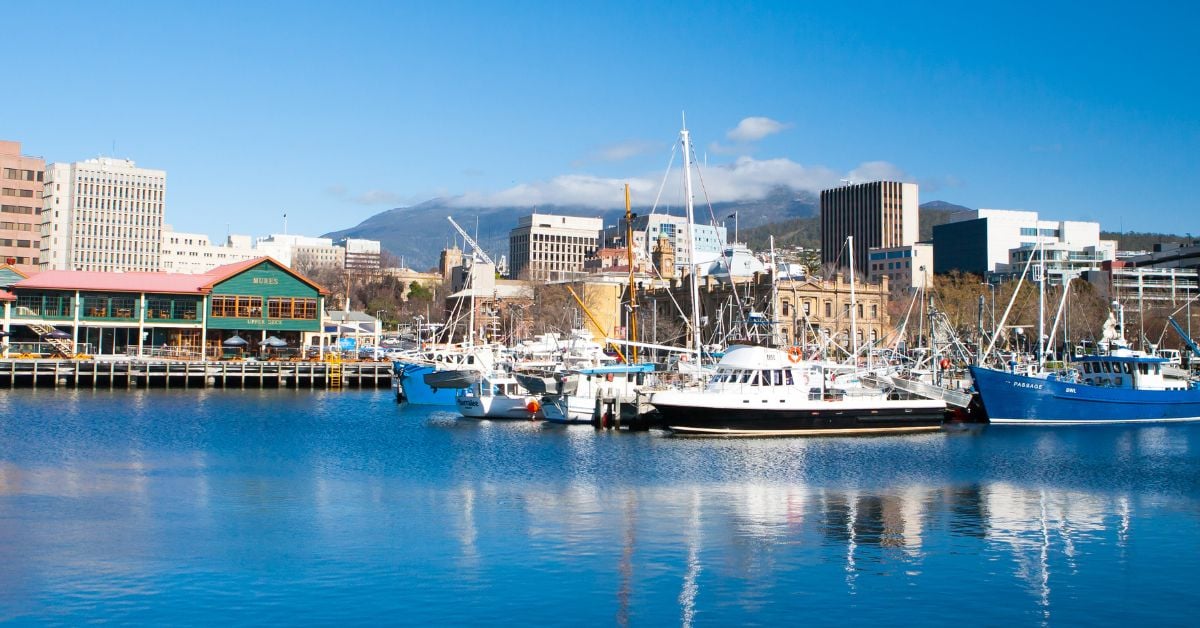
A worker died at New Zealand’s CentrePort, Wellington, this morning following an accident. This is the first death at the major commercial port since 2022, when an accident occurred at the Lyttelton Port Company close to Christchurch.
The deceased was employed by Logistics Company C3, which later confirmed that one of its workers was killed during a tragic accident at the port and extended its condolences to his family, colleagues and friends.
Though he was not a member of any union, the Maritime Union of New Zealand said that he was much loved by colleagues who are devastated and shocked by his sudden death.
Maritime NZ, responsible for ensuring safety at the port, has begun an investigation into the accident, and the spokesperson said they could not give a statement or comment until the exact cause could be identified.
Chief Executive of the Port, Anthony Delaney, said that they are assisting the stevedore company, Maritime NZ and the police to ensure safety at the port so such accidents do not happen again.
CentrePort is a natural, deep-water facility in Wellington owned by Greater Wellington Regional Council, which has a 77% stake and Horizons Regional Council.
The port has over 900 m of continuous quay berths to accommodate two 300 m cruise ships at the same time. It has specialised terminals including the Thorndon Container Wharf and Bulk Liquid docks at Mirama and Seaview and log yards.
The port handles containers, vehicles, bulk fuel, logs and also welcomes cruise ships and ferries.
Read on the original site
Open the publisher's page for the full experience