World’s Largest Shipping Firm Suspends Russian Port of Novorossiysk’s Bookings After Ship Attack
Our take
The recent suspension of bookings at the Russian port of Novorossiysk by MSC, the world’s largest shipping firm, following an attack on a container ship, represents a significant escalation of risk and uncertainty within the Black Sea shipping corridor. This action, impacting a crucial hub for Russian exports, underscores the increasingly volatile geopolitical landscape and its direct consequences for global trade flows. The incident involving the MSC Ulsan III, a 2,700 TEU vessel, highlights the vulnerability of maritime infrastructure and operations in the region, mirroring concerns previously raised regarding the safety of navigation and the potential for further disruptions. Bulgaria’s efforts to bolster its naval defenses, as detailed in [Bulgaria To Acquire 7 Minehunters From The Netherlands & Belgium To Demine Black Sea], reflect the wider regional response to these elevated risks, indicating a proactive approach to mitigating threats. The situation is further complicated by ongoing conflicts, as evidenced by [Russia Strikes Ukrainian Ports, Industrial Plants, Storage Sites & Retailers With 258 Drones & Missiles Overnight], demonstrating a pattern of targeted attacks on critical maritime infrastructure.
The decision by MSC to halt bookings isn’t merely a reactive measure; it’s a calculated response driven by a pragmatic assessment of escalating risks to vessel and crew safety. Novorossiysk is a vital port, handling substantial volumes of grain, oil, and other commodities destined for global markets. Disruptions to its operations have ripple effects across the supply chain, potentially impacting food security and energy prices. The attack on the MSC Ulsan III serves as a stark reminder of the potential for asymmetric threats, including drone and missile strikes, to destabilize even the most established maritime routes. It also raises questions about the adequacy of existing security protocols and the need for enhanced maritime domain awareness. The launch of a luxury cruise ship by an Italian shipyard [Italian Shipyard Launches 86,000-Ton Luxury Cruise Ship Ahead Of 2027 Delivery], while seemingly unrelated, underscores the broader impact of regional instability on the maritime sector, as heightened risk aversion can affect investment and operational planning across various segments.
The broader significance of this event extends beyond the immediate impact on shipping routes. It signals a potential shift in risk appetite among major maritime players, forcing them to re-evaluate their exposure to high-risk zones. The incident highlights the interconnectedness of geopolitical events and global trade, demonstrating how conflicts in one region can rapidly disrupt supply chains and impact economies worldwide. Furthermore, it reinforces the need for robust, validated risk assessment methodologies and integrated data ecosystems to accurately gauge and respond to evolving threats. Real-time monitoring of climate indicators and maritime activity is becoming increasingly essential to anticipating and mitigating potential disruptions. The increased use of minehunters and other naval assets suggests a move towards a more militarized maritime environment in the Black Sea and potentially other regions facing similar threats.
Looking ahead, the situation demands a calibrated and collaborative response. The long-term viability of shipping through the Black Sea will depend on establishing clear de-escalation pathways and implementing robust security measures that can guarantee the safety of vessels and crews. The development of ocean intelligence, utilizing calibrated data from various sources—satellite imagery, vessel tracking, and open-source information—will be crucial for enhancing situational awareness and enabling proactive risk mitigation. The question remains: how can international collaboration and technological innovation be leveraged to create a more resilient and secure maritime environment, ensuring the continued flow of essential goods while safeguarding human life and protecting critical infrastructure?
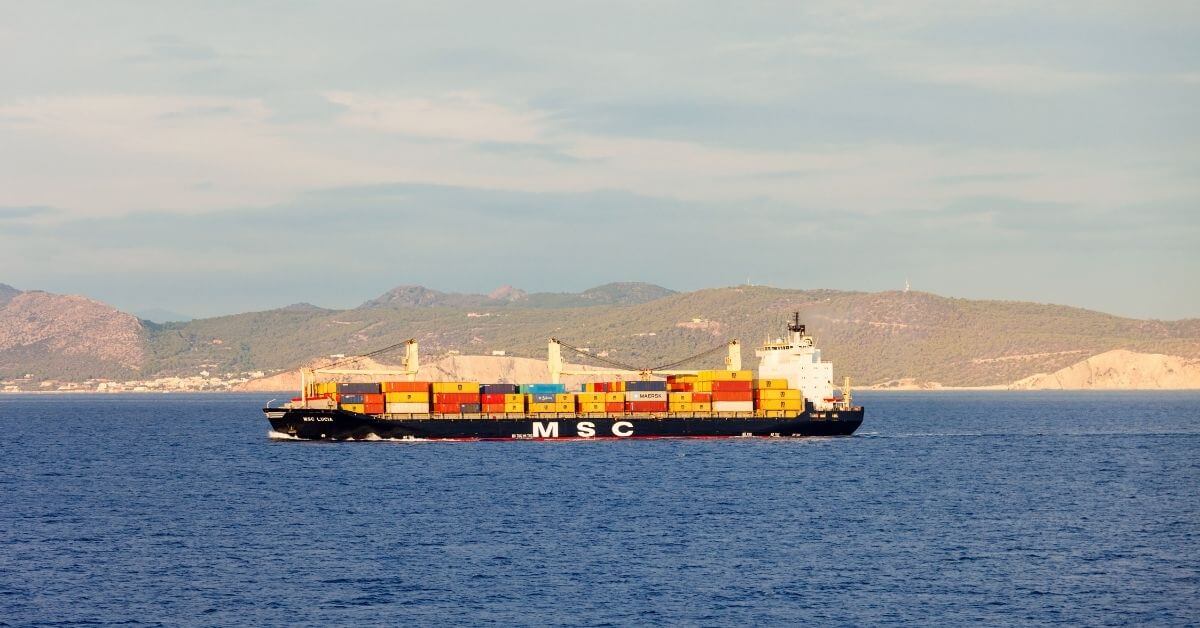
MSC has stopped new cargo bookings to and from Novorossiysk, Russia, after a drone hit its container ship MSC Ulsan III.
The ship was hit while sailing from Novorossiysk to Tekirdağ, Türkiye. MSC said it is watching the security situation and will restart its weekly service when it is safe.
MSC has asked customers to contact its Russian office about other options for moving cargo. The company still operates through other Russian ports, including St. Petersburg.
Martin Kelly, who heads advisory at EOS Risk Group, said the ship was hit on Aug. 25 after leaving Novorossiysk.
AIS data showed the ship later entered the Sea of Marmara and was off Tekirdağ. The damage is not known. No one has officially said who carried out the attack.
Attacks on commercial ships
The attack on MSC Ulsan III follows other attacks on commercial ships in the Black Sea.
On Aug. 21, RMS Team was hit by a drone while heading to Novorossiysk, the Ukrainian News Agency reported.
The Turkish vessel can carry about 1,100 TEUs and has a deadweight of 12,968 tonnes. The vessel caught fire, and one seafarer was missing.
Earlier this month, the Fesco-operated containership Yanina was hit by two drones about 130 miles from Novorossiysk and sank. The ship had a deadweight of about 13,000 tonnes.
Fesco and Turkish operator Kalyon then stopped all Black Sea sailings.
Ukraine has also said that it attacked five grain carriers at Novorossiysk and Tuapse on Aug. 17-18.
The attacks came after Russian strikes on ships in Ukraine’s Black Sea ports. Russia said it was targeting vessels carrying military supplies.
Oil and grain operations also affected
Other activities around Novorossiysk have also been affected.
Ukraine struck an oil terminal earlier this month. It later agreed to stop attacking international tankers heading to or loading at the Caspian Pipeline Consortium’s offshore terminal near Novorossiysk.
Some grain terminals at the port have also stopped operating.
Attacks on Black Sea ports and commercial ships have increased since July.
MSC continues to serve other Russian ports
MSC still has limited operations in Russia after reducing its presence following Russia’s full-scale invasion of Ukraine in 2022.
International shipping companies that still serve Russian ports mainly carry goods such as food, clothing and medicine.
MSC has a fleet with a total capacity of about 7 million TEUs, according to media reports. It was the first shipping line to reach that capacity.
An employee at MSC’s St. Petersburg office confirmed that the company had stopped its Novorossiysk operations.
Shipping to Ukraine also disrupted
Maersk said on July 22 that it was temporarily stopping its service to Chornomorsk because of security concerns at the port. It said ships would be sent to Romania and that it was looking at land routes for deliveries.
MSC Ulsan III
MSC Ulsan III is a Panama-flagged container ship built in 2004. It can carry about 2,700 TEUs and has a deadweight of 39,611 tonnes.
MSC has operated the ship since 2022. It was carrying cargo from Novorossiysk to Tekirdağ when the drone hit it.
The ship continued sailing and later reached the Sea of Marmara.
MSC has not said when its Novorossiysk service will restart. Customers can contact its Russian office for other shipping options.
References: container-news, port news
Read on the original site
Open the publisher's page for the full experience