Some coastal cities are sinking faster than the ocean is rising
Our take
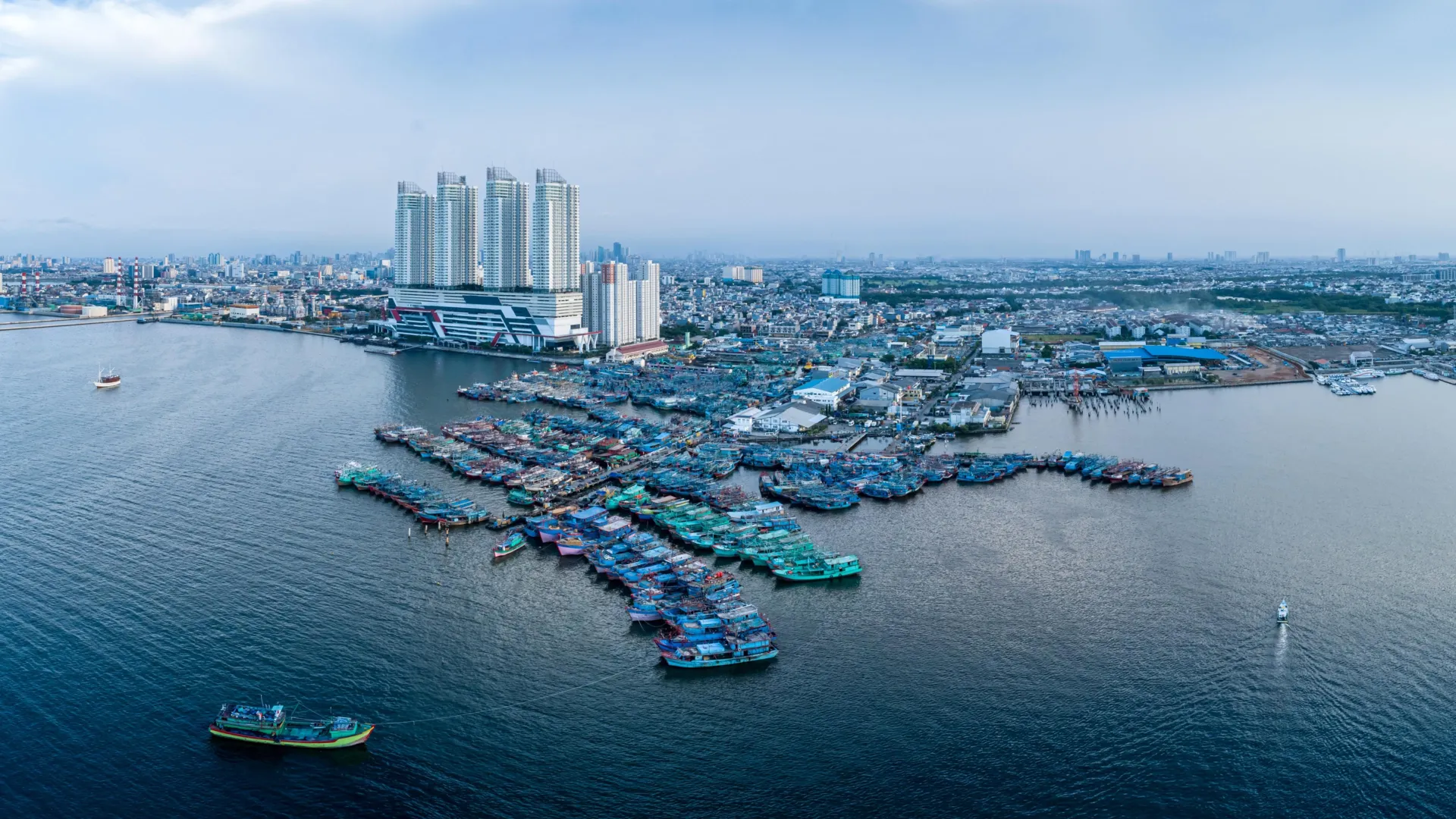
The accelerating threat of relative sea-level rise, as highlighted in recent findings, underscores a critical and often overlooked dimension of coastal vulnerability. While global sea-level rise due to climate change receives considerable attention, the compounding effect of land subsidence is dramatically amplifying the risks for densely populated coastal regions. The reported average of 6 millimeters per year of relative sea-level rise—nearly triple the global average—is a stark indicator of the urgency required to address this issue. This phenomenon isn't a uniform problem; it's a complex interplay of human activities and natural geological processes, including groundwater extraction, resource extraction, and urban development. The intricate connection between human activity and environmental consequence is also evident in our previous reporting on [Earth’s waters are quietly running out of oxygen, scientists warn], which demonstrates the cascading effects of human impact on ocean ecosystems. Understanding these multifaceted drivers is paramount to developing effective mitigation strategies.
The causes of land subsidence are varied and geographically specific. In some areas, excessive groundwater pumping compacts aquifers, leading to irreversible sinking. Elsewhere, oil and gas extraction depletes subsurface pressure, causing the ground to collapse. Heavy urban development and the weight of infrastructure also contribute to sediment compaction. Even natural geological processes, like the ongoing consolidation of sedimentary deposits, play a role. The complexity is further exemplified by research exploring how atmospheric conditions like evaporation ducts can impact forecasting, as demonstrated in [Detecting the sensitive area of evaporation duct and evaluating its impact on forecasts of electromagnetic propagation over the South China Sea]. This highlights the interconnectedness of various environmental factors influencing coastal stability, and the necessity for comprehensive, integrated data analysis. The implications extend beyond mere inundation; increased flooding frequency, saltwater intrusion into freshwater resources, and accelerated coastal erosion are all likely consequences.
The significance of this research extends far beyond academic circles. It demands a reassessment of coastal planning and infrastructure development. Traditional sea-level rise models, which primarily focus on ocean expansion and glacial melt, may significantly underestimate the true risk in areas experiencing subsidence. This necessitates the incorporation of precise, localized subsidence data into vulnerability assessments and adaptation strategies. Furthermore, the findings reinforce the importance of sustainable resource management practices. Reducing groundwater extraction, implementing stricter regulations on resource extraction, and adopting innovative urban planning approaches that minimize ground compaction are crucial steps. The potential for cascading geological events, as evidenced by recent discoveries concerning the Cascadia and San Andreas Faults, described in [They were drilling off Oregon. What they found could shake the entire West Coast], highlights the interconnectedness of geological systems and the potential for unforeseen consequences related to land disturbance.
Looking ahead, the development of robust, real-time monitoring systems will be essential. Integrating satellite-based observations with ground-based measurements to create a comprehensive “ocean intelligence” platform, as we envision, will enable more accurate predictions of relative sea-level rise and inform proactive adaptation measures. The challenge lies in developing calibrated models that can accurately predict future subsidence rates and their impact on coastal communities. A critical question remains: how can we effectively incentivize sustainable land management practices and ensure equitable adaptation strategies for vulnerable populations facing this increasingly complex and accelerating threat?
Read on the original site
Open the publisher's page for the full experience