urbanization
urbanization on World Data Ocean: a running collection of 3 stories we have gathered and hand-picked because they are worth your time. Every post here touches on urbanization in some way — the news, the analysis, the deep dives, and the occasional surprise find. A Global Hub for Ocean Intelligence 4 World Data Ocean is a centralized digital platform where researchers, scientists, and ocean enthusiasts converge to explore, analyze, and… New stories are added to this page as we find them, so check back if you want to keep up with what is happening around urbanization, or subscribe to the RSS feed to get them as soon as they are published. Browse the collection below, or head back to the homepage to see everything World Data Ocean is covering right now.
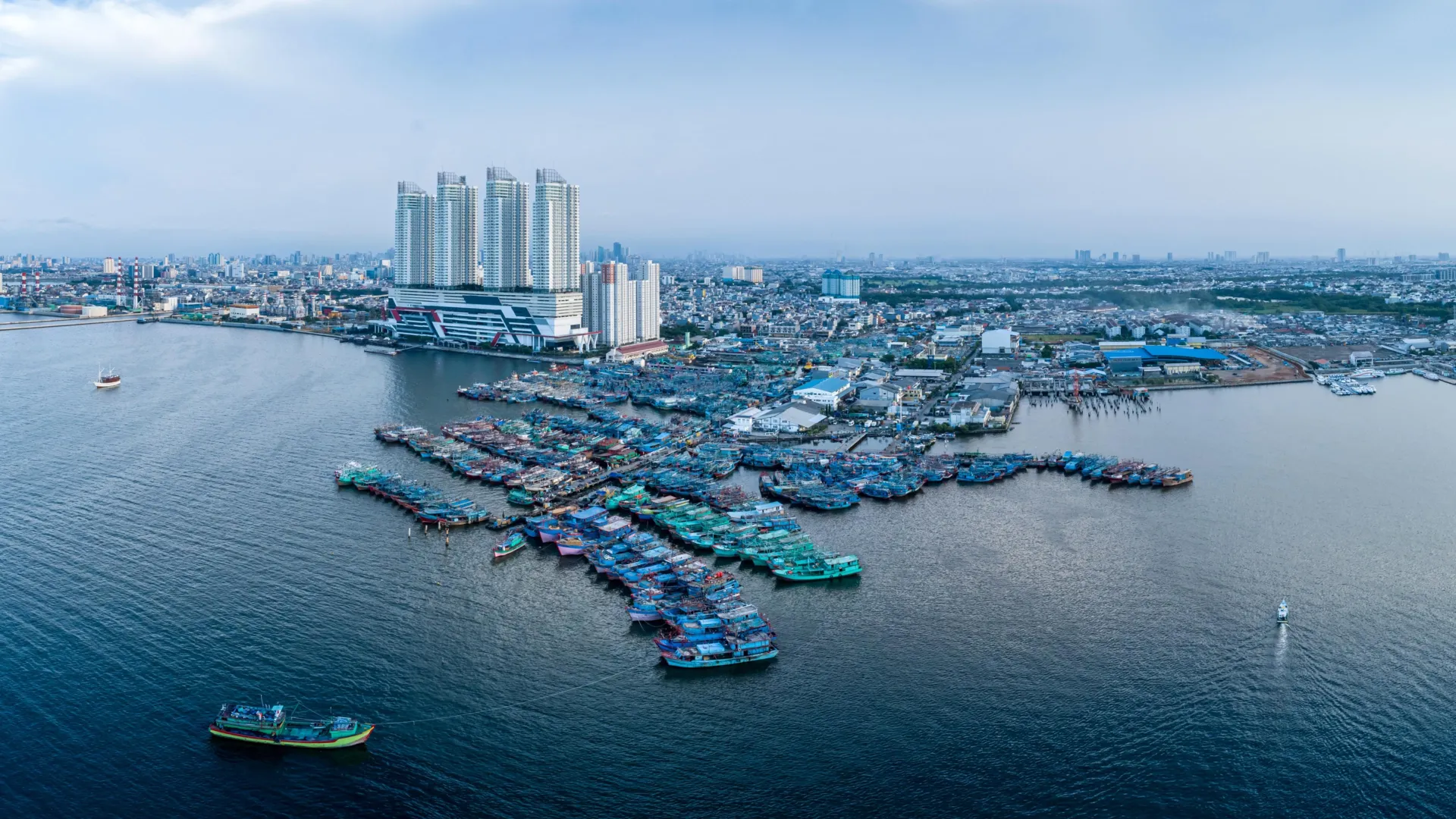
Some coastal cities are sinking faster than the ocean is rising
Coastal communities face a compounding threat beyond rising sea levels: accelerated land subsidence. New research validates that densely populated coastal regions experience an average relative sea-level rise of approximately 6 millimeters annually – almost three times the global average. Contributing factors include groundwater extraction, urban development, and geological processes. This phenomenon significantly amplifies coastal vulnerability. For further exploration of related environmental challenges, see our article, "Earth’s waters are quietly running out of oxygen, scientists warn," which details a concerning decline in oceanic oxygen levels.

Assessing multi-decadal shoreline change and future sea level projections to support coastal adaptation in Selangor, Malaysia
Coastal zones worldwide face escalating pressures from climate change and urbanization, yet the geomorphological stability of tropical coastlines remains a critical research gap. This study assesses multi-decadal shoreline change along a 250 km corridor of Selangor, Malaysia, utilizing Landsat data and the Digital Shoreline Analysis System. Results reveal localized erosion hotspots and project intensifying erosive trends by 2050, informing climate adaptation strategies. For deeper insights into integrating climate data into environmental impact assessments, see our related article, "From climate data to regulatory decisions."
Research on China’s green total factor productivity of aquaculture industry and its influencing factors
Assessing the green development performance of China's aquaculture industry is crucial for sustainable resource management. This study utilizes a rigorous, longitudinal analysis of panel data (2009–2023) from 38 Chinese provinces to measure Green Total Factor Productivity (GTFP) and identify key influencing factors. Employing the Super-SBM model and GML index, findings reveal significant regional disparities and highlight technological progress as a primary driver of growth, particularly in freshwater aquaculture.