Seafarer Killed, Another Missing After Attack On Oil Tanker Off Dubai
Our take
The recent incident involving a seafarer's death and another missing following an attack on an oil tanker at anchor off Dubai underscores a concerning escalation of risks in critical maritime chokepoints. While the precise cause of the attack remains unconfirmed, the event adds to a worrying pattern of disruptions impacting global energy supply chains. This situation echoes similar incidents, such as the evacuation of crew from a Saudi oil tanker attacked in the Strait of Hormuz Oman Evacuates 16 Crew From Saudi Oil Tanker Attacked By Iran In Strait Of Hormuz, and highlights the vulnerability of maritime infrastructure to geopolitical tensions. Furthermore, the ongoing scrutiny of vessels potentially linked to Russia, such as the blocking of the HANUMAN tanker from entering Albania Albania Blocks Russian Shadow Fleet Tanker From Entering Durres Port, demonstrates the complex interplay of sanctions, trade routes, and security concerns shaping the maritime landscape.
The implications of these events extend far beyond the immediate human cost. Oil tankers represent a vital link in the global energy network, and any disruption to their operations can trigger price volatility and supply shortages. The geographic location of this attack – near Dubai, a major shipping hub – amplifies the potential for cascading effects. The incident serves as a stark reminder of the risks associated with concentrating maritime traffic through narrow waterways, particularly in regions characterized by political instability. We have also seen instances of negligence leading to tragic outcomes, as evidenced by the arrest of officers following a collision Captain & 3rd Officer Of Oil Tanker Arrested On Charges Of Negligent Homicide, demonstrating that security concerns are not the only threat to seafarer safety and operational efficiency. The lack of immediate clarity regarding the attack's origin further complicates matters, potentially contributing to heightened tensions and increased insurance premiums for vessels operating in the region.
Analyzing these incidents through the lens of ocean intelligence reveals a broader trend of increasing maritime risk. Real-time data streams, including vessel tracking, weather patterns, and geopolitical alerts, are becoming essential for proactive risk mitigation. However, simply collecting data is insufficient; it requires integrated data ecosystems and validated analysis to identify potential threats and inform decision-making. Longitudinal datasets are necessary to understand evolving patterns and calibrate predictive models. The ability to leverage empirical evidence to assess vulnerabilities and implement preventative measures is paramount to ensuring the safety and security of maritime operations. Furthermore, the increasing complexity of global trade and the proliferation of non-state actors capable of disrupting maritime traffic necessitates enhanced collaboration between governments, industry stakeholders, and maritime security agencies.
Looking ahead, the incident off Dubai demands a renewed focus on maritime security protocols and a proactive approach to risk management. The integration of climate indicators into maritime risk assessments is also becoming increasingly crucial, as changing weather patterns and rising sea levels can exacerbate existing vulnerabilities. The question remains: how can the maritime industry, alongside international bodies, establish more robust and adaptable frameworks to safeguard critical infrastructure and protect the lives of seafarers in an increasingly complex and uncertain world? The need for a calibrated response – one that balances security concerns with the imperatives of global trade – is more urgent than ever.
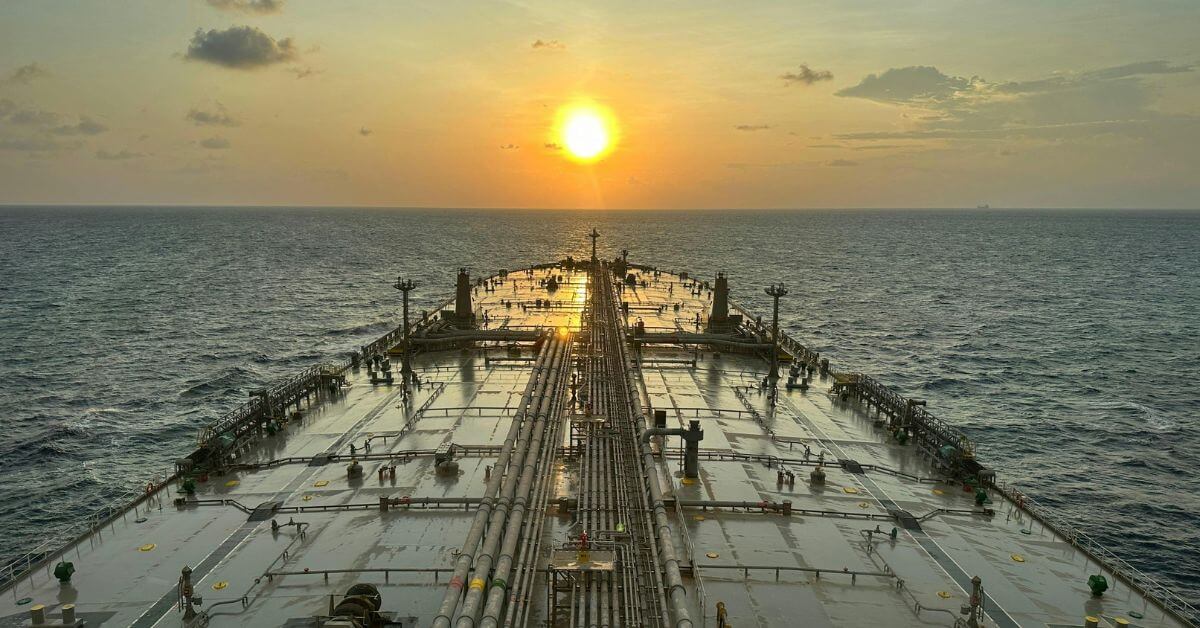
A seafarer was killed and another is missing after an incident involving the Gibraltar-flagged oil products tanker Hercules Star off Dubai on Wednesday, the vessel’s charterer Peninsula said.
The tanker was at anchor when the incident happened. Peninsula confirmed one death but did not say what caused it.
Peninsula said it was deeply saddened to confirm one fatality. The company added that one crew member was missing and that a specialist team was working to locate them. It said all other crew members had been accounted for.
A specialist team is now searching for the missing crew member. The rest of the crew is safe.
Maritime security sources said the tanker may have been hit by a drone.
Separately, UK Maritime Trade Operations (UKMTO) said it received a report of a vessel listing while at anchor around 24 nautical miles off the UAE’s Port Rashid.
UKMTO said the listing was “possibly indicating water ingress following an attack from an unknown projectile”.
Per maritime security sources, the location of the vessel reported by UKMTO was close to the Hercules Star.
The cause of the incident has not been confirmed. Peninsula has not confirmed that the tanker was attacked or that it was hit by a drone.
A separate tanker carrying about 2 million barrels of Iraqi oil was struck by a drone in the country’s territorial waters on Wednesday, port officials said.
The information available does not say whether the Iraqi tanker incident was linked to the Hercules Star.
References: timesnownews, thesun
Read on the original site
Open the publisher's page for the full experience