Albania Blocks Russian Shadow Fleet Tanker From Entering Durres Port
Our take
The recent blocking of the tanker *HANUMAN* from entering Durres Port in Albania represents a significant escalation in the ongoing efforts to disrupt Russia’s shadow fleet – vessels utilized to circumvent international sanctions and continue the flow of oil despite restrictions. Ukraine’s Main Directorate of Intelligence (GUR) has been tracking the *HANUMAN*, flagged in Sierra Leone, for some time, highlighting the increasingly sophisticated and complex networks employed to obscure the origin and destination of Russian commodities. This action underscores the growing pressure on nations to actively enforce sanctions, moving beyond passive compliance. The complexities of this situation are further illuminated by our previous reporting on [Sanctions-Evasion Networks & Diverging Rules Risk Creating A 2-Tier Maritime System], which details how the fragmentation of rules and the prevalence of shadow fleets are creating a precarious and potentially unstable maritime landscape. The incident also echoes the recent events surrounding the Lady Mariia, as detailed in [Video: Russian Military-Linked Cargo Ship Reportedly Struck 12 Times By Drones Near Crete], demonstrating the risks and escalating tensions associated with these vessels.
The Albanian government's decision is particularly noteworthy given the complexities of maritime law and the potential for diplomatic repercussions. While the legal basis for blocking the *HANUMAN* may be multifaceted, involving considerations of port state jurisdiction and potential violations of sanctions regimes, the move signals a willingness to take a firm stance against evasion tactics. The shadow fleet phenomenon is intrinsically linked to the global energy market and the geopolitical implications of Russia's ongoing conflict. These vessels often operate with obscured ownership and utilize deceptive shipping practices, making them difficult to identify and interdict. The continued operation of such fleets allows Russia to generate revenue despite international pressure, prolonging the conflict and undermining the effectiveness of sanctions. The situation is further complicated by contractual disputes, as evidenced by the ongoing legal battle between Hanwha Ocean and Arctic LNG 2, discussed in [Hanwha Ocean Faces $1 Billion Damages Claim Over Cancelled Contracts For Russia’s Arctic LNG 2], where the termination of shipbuilding contracts highlights the ripple effects of sanctions on international business and maritime infrastructure.
The long-term implications of this incident extend beyond the immediate disruption of the *HANUMAN*'s voyage. It sets a precedent for other nations considering similar actions and could encourage greater scrutiny of vessels suspected of sanctions evasion. Enhanced monitoring and enforcement, coupled with increased transparency in maritime operations, are crucial to curtailing these networks. The integration of validated, real-time data streams – leveraging technologies such as satellite tracking and automated identification systems (AIS) – is essential for building a robust ocean intelligence framework capable of identifying and responding to suspicious activity. Such an integrated data ecosystem would require calibration across multiple jurisdictions and a commitment to peer-reviewed methodologies to ensure accuracy and reliability. The efficacy of these measures, however, depends on a global, collaborative approach, as sanctions evasion is a transnational challenge requiring coordinated action.
Looking ahead, the question remains: how will Russia adapt its tactics in response to increased scrutiny and enforcement efforts? The shadow fleet is a dynamic and evolving phenomenon, and we can anticipate further attempts to obfuscate ownership and routing. The development of advanced analytics and predictive modeling, leveraging longitudinal data on vessel movements and ownership patterns, will be critical for proactively identifying and disrupting these networks. Furthermore, the resilience and adaptability of the global maritime insurance market will be a key factor in shaping the future of sanctions enforcement. The ongoing interplay between geopolitical pressures, economic incentives, and technological innovation will continue to define the landscape of maritime trade and the ongoing struggle to enforce international sanctions.
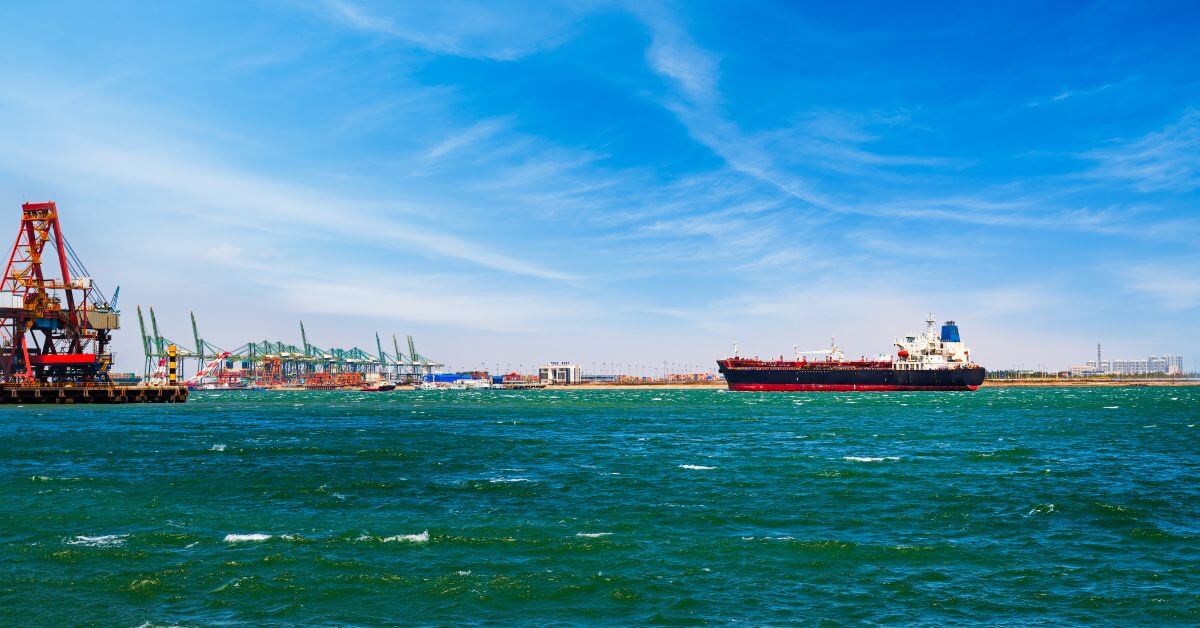
Albanian authorities stopped an oil tanker from entering the Port of Durres on August 29 after Ukrainian military intelligence identified it as part of Russia’s shadow fleet.
The tanker named HANUMAN, flagged in Sierra Leone, has been tracked by Ukraine’s Main Directorate of Intelligence (GUR) for some time.
GUR added HANUMAN to its War&Sanctions database on January 26, 2026, listing it as an active vessel in Russia’s shadow fleet.
According to GUR, HANUMAN has carried about 452,000 tonnes of Russian fuel since the start of 2025.
Most of the tanker’s voyages started at Novorossiysk. It then travelled to Turkey, Senegal and the UAE. The vessel was also reported at a transshipment area near Augusta, Italy.
GUR welcomed Albania’s decision as a sign of international cooperation against Russia’s sanctions evasion.
The logistics for HANUMAN’s voyages were handled by Altoprae Marine, a Russian company based in Novorossiysk, according to GUR.
The Ukrainian agency said the company was founded and is managed by a senior manager from the orbit of sanctioned Russian oligarch Gennadiy Timchenko, whom it described as a close associate of Russian President Vladimir Putin.
GUR also said the company Altoprae Marine is known for regularly maintaining tankers that are part of the Russian shadow fleet.
One of the vessels linked to the company is EVENTIN. According to GUR, the tanker is under sanctions from the European Union, Switzerland, the United States, the United Kingdom, Canada and Ukraine.
Another is CORDELIA MOON, now named WALRUS. It is under sanctions from the United Kingdom, Canada, the European Union, Switzerland, Australia and Ukraine.
The agency said both vessels have been involved in incidents that threatened environmental safety.
GUR also said Altoprae Marine is involved in the operations of vessels belonging to Rosewood Shipping, which it said is linked to Oksana Marchenko, the wife of Viktor Medvedchuk.
The tanker HANUMAN had previously called at the Port of Durres in November 2025.
A BIRN investigation published in May 2026 identified the tanker among vessels suspected of carrying Russian oil or stolen Ukrainian grain that had called at Albanian ports since Russia’s full-scale invasion of Ukraine.
Albania is a NATO member and an EU candidate country. It has followed EU sanctions against Russia since February 2022.
References: albaniandailynews, usm
Read on the original site
Open the publisher's page for the full experience