Captain & 3rd Officer Of Oil Tanker Arrested On Charges Of Negligent Homicide
Our take
The recent arrest of the captain and third officer of the oil tanker ALSU on charges of negligent homicide underscores a troubling trend in maritime incidents and highlights the critical need for enhanced safety protocols and rigorous oversight. These events follow a series of concerning incidents at sea, including the loss of containers overboard from a cargo ship off the Philippines [46 Containers Fall Overboard From Cargo Ship Off Philippines] and a devastating fire aboard a cargo vessel following a drone strike en route to Pakistan [Cargo Ship Carrying 23 Indian Seafarers Catches Fire After Drone Strike]. The sinking of a tugboat while towing a container ship near Busan, resulting in fatalities and missing persons [1 Dead, 6 Missing After Tugboat Sinks While Towing Container Ship Off Busan], further illustrates the complex and often perilous conditions faced by maritime professionals. While investigations are ongoing, the charges against the ALSU’s officers suggest a potential failure in adherence to established navigation and operational procedures, resulting in tragic consequences.
The implications of negligent homicide charges in maritime contexts extend beyond the immediate legal ramifications for those involved. They signal a potential systemic issue that warrants deeper examination. Factors such as crew fatigue, inadequate training, pressure to meet tight schedules, and potential deficiencies in vessel maintenance or navigational equipment can all contribute to accidents. Integrated data ecosystems, leveraging real-time sensor data and longitudinal performance metrics, are increasingly crucial for identifying and mitigating these risks proactively. The maritime industry’s reliance on empirical data and peer-reviewed best practices must be reinforced to ensure the safety of both seafarers and the marine environment. The incident also serves as a stark reminder of the interconnectedness of global trade and the potential for cascading consequences when maritime safety is compromised. A single collision can disrupt supply chains, damage ecosystems, and ultimately impact economies worldwide.
The focus on individual accountability, while necessary, shouldn't overshadow the broader need for enhanced regulatory frameworks and technological innovation. Calibrated risk assessments, incorporating climate indicators and predictive modeling, can help anticipate potential hazards and inform preventative measures. For example, increasingly frequent and intense storms, a direct consequence of climate change, pose a significant threat to maritime navigation. Real-time ocean intelligence, derived from validated satellite data and sensor networks, can provide critical information to mariners, enabling them to make informed decisions and avoid dangerous situations. Moreover, the integration of autonomous systems and advanced navigation technologies offers the potential to reduce human error and improve overall safety, though careful validation and rigorous testing remain paramount.
Ultimately, the ALSU incident, alongside the other recent maritime events, reinforces the urgency of a collaborative and data-driven approach to ocean stewardship. Understanding drives protection; a more robust and interconnected system of data collection, analysis, and dissemination is required to safeguard the maritime sector and the broader ocean environment. The question now becomes: how can the maritime industry accelerate the adoption of these technologies and foster a culture of safety that prioritizes proactive risk mitigation over reactive responses?
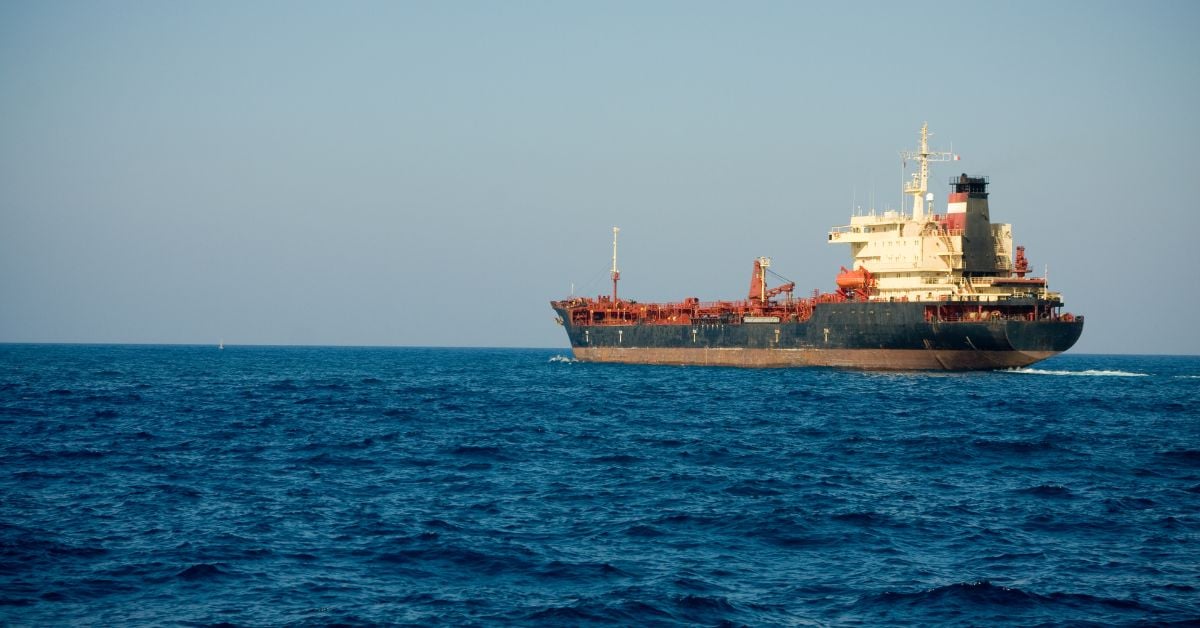
The captain and the 3rd Officer of the oil tanker, ALSU, which was recently involved in a collision with a cargo ship, were arrested by the police.
Both seafarers have been charged with negligent homicide, which led to the sinking of the Tugberk Imamoglu in 11 minutes. The ship was carrying rolled steel, and the weight hastened its sinking, ultimately settling it at a depth of 900 metres in the Sea of Marmara.
The 10 crew members of the cargo ship remain missing, with search and rescue operations ongoing.
According to the prosecutors, the captain and the 3rd officer failed to do their duties properly, which led to the accident, though a preliminary investigation has found shortcomings in the operations of the cargo ship as well.
The authorities in Silivri have arrested nine of the ten crew members of the oil tanker ALSU, apart from the cook.
The captain has been blamed for failing to maintain navigational safety onboard the tanker, while the third officer was inexperienced and served as the watch officer when the accident happened.
The two officers failed to fulfil their respective duties, which led to the collision and sinking of the cargo ship off Istanbul.
6 of ALSU’s crew came to the court hearing on Thursday, and four have been allowed to leave, but they will be kept under judicial supervision.
The wreck was identified by the Turkish Navy’s TCG Akın vessel; however, it is not clear whether teams had reached the wreck to get its data recorder, which would serve as a substantial piece of evidence in the investigation.
A report about the marine accident has been made by those handling the case in Silivri, who said that several, not one, security breaches were found onboard the tanker, whose crew members failed to handle the emergency efficiently, and in fact it was their actions and misjudgments which led to it.
The report mentioned that the third officer was not experienced enough and was alone for the watch.
There was no helmsman on the lookout on the bridge, and the prosecutors called it a case of serious negligence.
Read on the original site
Open the publisher's page for the full experience