Sanctions-Evasion Networks & Diverging Rules Risk Creating A 2-Tier Maritime System
Our take
The emergence of “shadow fleets” and the increasing divergence in maritime regulations present a significant challenge to the stability and predictability of global trade, a concern amplified by recent disruptions. Over 80% of global trade traverses maritime routes, making the integrity of these systems paramount to the world economy. The recent reduction in capacity through the Panama Canal, detailed in Panama Canal Squeezes Daily Capacity To 29 Ships, Threatening Global Supply Chains, highlights the vulnerability of established chokepoints to environmental and logistical pressures, further exacerbating the impact of sanctions evasion tactics. The proliferation of vessels operating outside established regulatory frameworks, often to circumvent sanctions, is creating a two-tiered maritime system with potentially far-reaching consequences. This fragmentation undermines the principles of transparency and accountability that underpin legitimate global commerce.
The core issue revolves around the ability of sanctioned entities to continue trading through complex networks of intermediary companies and vessels, effectively obscuring the origin and destination of goods. These "shadow fleets," often comprised of older or less well-maintained vessels, operate with reduced oversight, increasing the risk of accidents, environmental damage, and illicit activities. The legal battles, such as Samsung Seeks $186 Million From CMA CGM Over Alleged U.S. Shipping Act Violations, underscore the complexities and ambiguities arising from these circumventions, demonstrating how existing legal frameworks struggle to keep pace with evolving evasion strategies. Moreover, differing interpretations and enforcement of maritime regulations across various jurisdictions further complicate the picture, creating loopholes that can be exploited. The increasing investment in infrastructure like the DP World To Invest €48 Million In New Cold Chain Hub At Antwerp Port signals a continued reliance on established ports, which, while vital, are also points of potential vulnerability to disruptions caused by shadow fleet activities and regulatory inconsistencies.
The long-term implications of this two-tiered system are substantial. It risks eroding trust in the maritime sector, increasing insurance costs, and potentially destabilizing supply chains. The lack of standardized data and reporting across these two tiers also hinders effective monitoring and risk assessment. Ocean intelligence, reliant on accurate and comprehensive data, is directly impacted by the opacity surrounding shadow fleet operations. This can lead to skewed market analyses, inaccurate predictions of trade flows, and ultimately, a less resilient global economy. Furthermore, the environmental risks associated with vessels operating outside established safety standards are a serious concern, potentially leading to increased pollution and marine accidents. The fragmented regulatory landscape makes it difficult to enforce environmental protections effectively, creating a disincentive for responsible practices.
Looking ahead, the challenge lies in fostering greater international cooperation to harmonize maritime regulations and enhance transparency. This requires a multi-faceted approach, including improved data sharing, enhanced vessel tracking capabilities, and stricter enforcement of sanctions. Developing a robust and integrated data ecosystem, capable of identifying and monitoring shadow fleet activities in real-time, is crucial. The validation of data sources and the implementation of calibrated risk assessment models will be essential to mitigate the potential disruptions and risks associated with this emerging two-tiered system. A key question remains: can the international community effectively bridge the regulatory gaps and create a level playing field that prioritizes both economic stability and ocean stewardship?
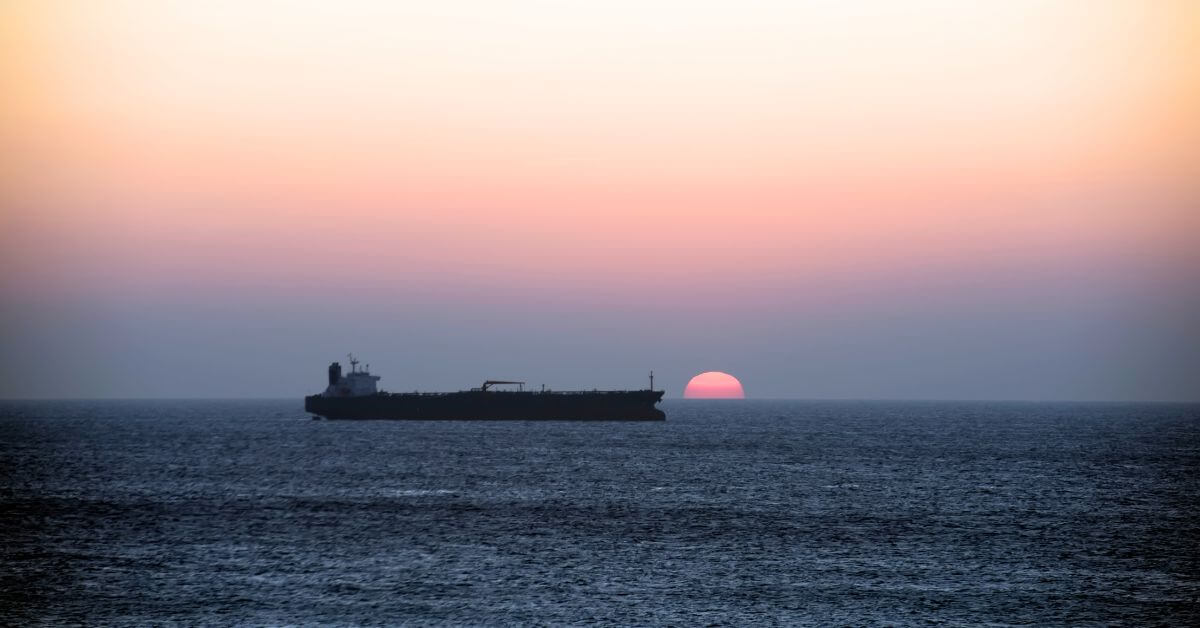
Eighteen maritime nations have warned that growing differences in shipping rules are creating a separate part of the global fleet that operates outside normal safety, insurance and transparency standards.
The Consultative Shipping Group (CSG), an informal alliance of 18 maritime authorities, issued a joint statement on Tuesday.
The group represents more than a fifth of global trade by tonnage.
Over 80% of global trade is transported by sea, making shipping routes critical to the global supply chain and the world economy.
The CSG said the shipping industry has experienced repeated disruptions in recent years, from the COVID-19 pandemic and the war in Ukraine to the Panama Canal drought and the US-Iran conflict.
Prices of oil and other commodities have skyrocketed as a result, as have fertiliser prices.
One of the CSG’s main concerns is the growing number of ships used to bypass international sanctions.
Many of these vessels operate without the insurance, safety checks and transparency normally expected in international shipping.
This split divides the shipping industry into two different parts. One follows the rules, while the other does not follow the same standards.
This practice can create problems when something goes wrong.
Take the example of the Caroline Bezengi, an oil tanker which exploded after hitting a limpet mine near the Omani port of Salalah this summer.
The ship, which was part of the shadow fleet, did not have traditional forms of insurance cover in the form of protection and indemnity (P&I) and so the bill for the cleanup fell to the Omani government.
A lack of proper insurance has caused similar issues. Since Western P&I clubs began withdrawing from any vessels involved in the Russian oil trade last year, alternative insurers have had to step in, despite some being financially weaker.
This means that a P&I club from the country in which the accident occurred will have to pay for the costs of an accident if one of the shadow fleet ships is involved.
Another concern for the CSG was the strait of hormuz, particularly the effect of any disruption to shipping in this waterway.
Shippers are worried that Iran’s proposal to levy a toll on ships passing through the strait may lead to similar actions being taken in other strategic shipping corridors.
War-risk insurance costs for tankers using the strait also rose sharply after the conflict began in February 2026, and the higher risk is still affecting insurance renewals.
CSG Calls For Common Rules
The CSG said shipping becomes harder and more expensive when countries apply different rules or take separate approaches.
Uncertainty over access to ports and shipping routes can also make it harder for companies to plan their operations and investments.
The group also called on governments to promote “common standards and procedures” and support the “international legal framework” established by the International Maritime Organisation (IMO).
The member countries of the CSG are Belgium, Canada, Denmark, Finland, France, Germany, Greece, Italy, Japan, South Korea, the Netherlands, Norway, Poland, Portugal, Singapore, Spain, Sweden and the United Kingdom.
Read on the original site
Open the publisher's page for the full experience