Samsung Seeks $186 Million From CMA CGM Over Alleged U.S. Shipping Act Violations
Our take
The recent filing by Samsung Electronics America against CMA CGM with the U.S. Federal Maritime Commission (FMC) over alleged violations of the Shipping Act carries significant weight within the global logistics landscape. This $186 million dispute underscores growing tensions surrounding container shipping rates and practices, particularly as supply chains continue to navigate post-pandemic complexities. The case highlights the vulnerability of even large corporations to potentially exploitative shipping fees and the increasing scrutiny of maritime carriers' business practices. The broader implications extend beyond this specific legal battle, potentially reshaping how businesses negotiate contracts and manage freight costs, particularly in light of ongoing efforts to improve supply chain resilience. It’s worth noting that the shipping industry is undergoing rapid technological transformation, as evidenced by collaborations like the one between CMA CGM, Bureau Veritas & SDARI Partner On AI-Powered Container Vessel Concept CMA CGM, Bureau Veritas & SDARI Partner On AI-Powered Container Vessel Concept, which explores leveraging AI to optimize vessel operations and potentially mitigate some of the cost pressures that have fueled these disputes.
The core of Samsung’s complaint revolves around allegations of unreasonable and discriminatory demurrage and detention charges levied by CMA CGM. Demurrage fees are assessed when containers remain at a terminal longer than the agreed-upon free time, while detention fees apply when containers are held off-site. These charges are intended to incentivize efficient cargo movement, but Samsung contends that CMA CGM has used them as a revenue-generating tool, particularly during periods of congestion and supply chain disruption. This resonates with broader concerns about the power dynamics within the container shipping industry, where a relatively small number of carriers control a large share of the global fleet. The situation is further complicated by ongoing infrastructure limitations at key ports, which contribute to delays and increased costs. The investment in infrastructure improvements, such as the one proposed by DP World To Invest €48 Million In New Cold Chain Hub At Antwerp Port DP World To Invest €48 Million In New Cold Chain Hub At Antwerp Port, are necessary but require time to yield substantial improvements in efficiency.
The FMC’s role in this dispute is crucial. The agency is tasked with regulating ocean common carriers and protecting shippers from unfair or anti-competitive practices. This case represents a significant test of the FMC’s authority and willingness to intervene in disputes between shippers and carriers. A favorable outcome for Samsung could set a precedent that encourages greater transparency and fairness in shipping contracts and pricing. It also highlights the potential for regulatory action to curb potentially exploitative practices, particularly as businesses increasingly rely on global supply chains. The long-term implications could lead to revised contract terms, increased scrutiny of demurrage and detention fees, and ultimately, a more balanced relationship between shippers and carriers. The pursuit of innovative solutions, such as the Pink Corridor Project To Explore Nuclear-Powered Transatlantic Container Shipping Route Pink Corridor Project To Explore Nuclear-Powered Transatlantic Container Shipping Route, while focused on emissions reduction, also indirectly addresses the need for more efficient and reliable transportation routes, contributing to the overall stability of the shipping ecosystem.
The Samsung vs. CMA CGM case serves as a critical data point in a larger narrative concerning the resilience and fairness of global trade. While technological advancements and infrastructural investments offer pathways toward improved efficiency and reduced costs, regulatory oversight and contractual clarity are equally vital. The outcome of this legal challenge will undoubtedly influence future negotiations and potentially reshape the dynamics of the container shipping industry. A key question moving forward is whether this case will spur a broader re-evaluation of demurrage and detention practices across the industry, leading to more equitable and predictable terms for all stakeholders involved in the complex world of global logistics.
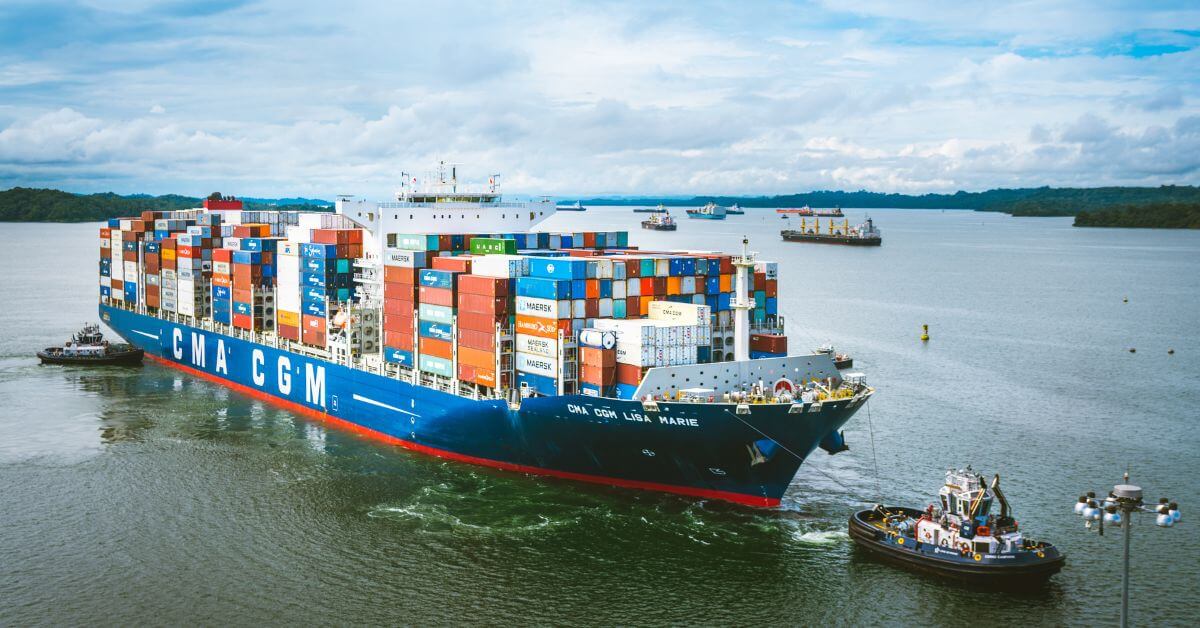
Samsung Electronics America has filed a complaint with the U.S. Federal Maritime Commission (FMC) against CMA CGM, seeking $186 million in reparations over container and inland transportation charges.
Samsung says that CMA CGM violated the U.S. Shipping Act through its handling of inland transportation, detention, demurrage, cargo holds, cargo release, rail storage, billing and dispute resolution.
CMA CGM is the world’s third-largest container shipping line.
The dispute is mainly about “store door” shipments. Under these deals, CMA CGM had to arrange and pay for rail or truck transport from U.S. ports to Samsung’s inland warehouses and distribution centers.
The shipping company listed both the marine terminal and the final inland destination on its bills of lading or sea waybills.
Samsung says CMA CGM started moving its containers under these store-door arrangements in January 2020.
Samsung alleges that from around mid-2020, CMA CGM often failed to move the containers on time. This included delays in taking containers out of ports and rail terminals and delivering them to inland locations.
CMA CGM blamed some of the delays on heavy port and terminal congestion, a shortage of chassis and truck drivers, and supply-chain problems.
Samsung says CMA CGM was still responsible for moving the containers because of the store-door agreements.
Samsung says these delays led to over 121,000 charges for detention, demurrage, rail storage and other costs.
The complaint lists more than 26,000 demurrage charges and more than 94,000 detention-related charges.
Samsung is seeking at least $186 million from CMA CGM.
About $148 million of the claim is for demurrage, detention, rail storage and other related charges that Samsung says were unlawful or excessive.
The company is also seeking $8.1 million for costs it says it had to pay because of the delays. These included taking over inland transportation, hiring more staff and using off-dock container yards.
Samsung is also seeking $30 million in prejudgment interest.
The company said it may seek more money for lost revenue, employee and attorney time, legal fees and other costs. This could take the final claim above $186 million.
Samsung said it tried to settle the dispute with CMA CGM. It sent a formal demand in July 2024 and met the company in person in 2025 and 2026.
Samsung said the talks did not resolve the dispute.
The complaint also says CMA CGM used “finance holds” and suspended accounts linked to other import shipments to pressure Samsung to pay disputed demurrage bills.
Samsung said that CMA CGM demanded payment and threatened to hold back the movement, release or delivery of containers when the bills were not paid.
The company added that some of these holds involved shipments that had no outstanding issues.
Samsung also alleges that CMA CGM changed some store-door shipments to merchant haulage or container-yard (CY) movements without Samsung’s approval. This left Samsung to arrange inland transport that CMA CGM had originally agreed to handle.
Samsung has asked the FMC to order CMA CGM to pay reparations, stop the conduct it says was unlawful and provide any other relief the commission considers appropriate.
References: thelogisticnews, container news
Read on the original site
Open the publisher's page for the full experience