Pink Corridor Project To Explore Nuclear-Powered Transatlantic Container Shipping Route
Our take

The announcement of the Pink Corridor project, a collaboration between LR, Maersk, the Port of Charleston, and the Port of Felixstowe to explore a nuclear-powered transatlantic container shipping route, represents a significant, albeit early, step toward decarbonizing a sector facing mounting pressure. The shipping industry’s contribution to global emissions is substantial, and while efforts to improve efficiency and adopt alternative fuels are underway, a truly transformative shift requires bolder innovations. This project's ambition – utilizing small modular reactors (SMRs) to power container ships – reflects a willingness to consider radical solutions. Maersk’s ongoing exploration of alternative propulsion methods, including [Maersk Eyes Investment In Bangladesh Shipbuilding, With Ship Recycling Also On Agenda], underscores a commitment to diversifying their technological portfolio beyond incremental improvements. The selection of Anemoi Rotor Sail technology for a container ship installation, detailed in [Maersk Selects Anemoi Rotor Sail For World-First Container Ship Installation], further demonstrates their proactive approach to exploring wind-assisted propulsion alongside other initiatives.
The feasibility of nuclear-powered shipping is not new; however, advancements in SMR technology, alongside increasing regulatory scrutiny of emissions, have renewed interest. SMRs offer several potential advantages over traditional nuclear power, including smaller footprint, enhanced safety features, and potentially lower construction costs. A transatlantic route presents a compelling case study for this technology, given the long distances and high fuel consumption associated with such voyages. However, significant hurdles remain. Public perception of nuclear power, particularly in densely populated coastal areas, is a major consideration. Stringent safety regulations and waste management protocols will be essential to secure public and governmental acceptance. The geopolitical implications also warrant careful examination, particularly given recent events impacting maritime transit, as illustrated by Iran’s actions in the Strait of Hormuz, described in [Iran Says It Prevented 30 Ships From Crossing Strait Of Hormuz Outside Approved Route Since Aug. 22]. Ensuring the security of nuclear vessels and their fuel supply lines will be paramount.
Beyond the technological and regulatory challenges, the economic viability of nuclear-powered shipping remains uncertain. The initial investment costs for SMR-powered vessels are likely to be substantial, and the long-term operational costs, including fuel and maintenance, require thorough assessment. The project’s success will hinge on a comprehensive life-cycle cost analysis, factoring in the potential savings from reduced fuel consumption and carbon emissions. It’s crucial to remember that the Pink Corridor is an exploratory project; the data gathered will be vital in calibrating future investment decisions. The integrated data ecosystem required to manage such a complex system, from reactor performance to navigational safety, will need to be robust and validated through rigorous testing and peer-reviewed analysis.
Ultimately, the Pink Corridor project offers a glimpse into a potential future for maritime shipping – one where decarbonization is achieved through innovative, albeit complex, technologies. The collaboration between industry leaders and classification societies like LR suggests a serious commitment to exploring this avenue. While widespread adoption of nuclear-powered shipping remains distant, the learnings from this project will undoubtedly inform the broader conversation around sustainable maritime transport. A key question moving forward is whether the potential benefits of reduced emissions and increased energy security can outweigh the significant technological, regulatory, and public perception challenges that lie ahead.
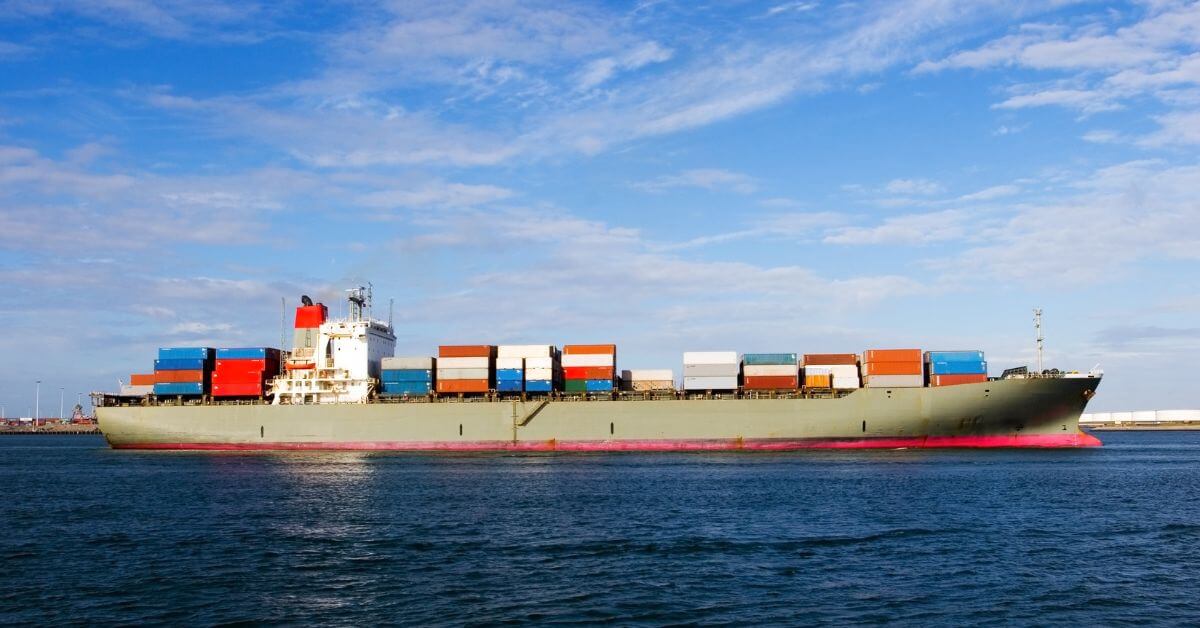
Lloyd’s Register (LR), A.P. Moller – Maersk (Maersk), the Port of Charleston on the US east coast and the Port of Felixstowe, the largest container port in the UK, have announced a partnership to establish a Pink Corridor project, to identify and address the operational, security and safeguarding requirements for a theoretical nuclear-powered containership trading between the two ports.
The project will focus on the security and safeguard considerations needed to inform future regulation and support the safe, secure and responsible adoption of nuclear power for trans-Atlantic commercial shipping.
Centred on a conceptual nuclear-powered container ship, the Pink Corridor will examine the requirements for theoretical port access on the specified route. Key areas of focus will include ship security, safeguards, cyber resilience, emergency response, insurance regimes and alignment between maritime and nuclear regulatory expectations.
The work is expected to support broader maritime development under the US-UK Technology Prosperity Deal and its bilateral commitment to explore civil maritime nuclear applications, including the potential creation of a shipping corridor between the two nations.
The Pink Corridor aims to provide a structured basis for collaboration, helping stakeholders understand the practical requirements, gaps and future work needed before any potential nuclear maritime corridor could be considered.
Nick Gross, Global Containerships Segment Director, LR said: “The Pink Corridor joint development programme is an important step for the application of nuclear technology in merchant shipping.
“By taking a practical, collaborative approach, the project will examine the security and safeguards that would need to be addressed for safe operations. The partnership brings together industry-leading players across shipping, ports and classification, reflecting the growing interest in nuclear technology as a route to more sustainable maritime operations.”
Adam Ramsey, Commercial Director, Port of Felixstowe, said: “As the UK’s largest and busiest container port, the Port of Felixstowe is well-positioned to support the Pink Corridor and contribute practical insight to this important early-stage work.
“We are committed to improving the efficiency and resilience of our own operations, while supporting the wider industry as it explores sustainable, long-term propulsion options for global trade.”
Tom Boyle, SC Ports’ Director of Vessel Operations and Carrier Sales, said: “As a major U.S. East Coast port, Charleston is always looking for innovative, cost effective and sustainable ways to move freight. The conceptual Pink Corridor project allows for the study of the possibility of a nuclear-powered maritime corridor.”
The collaboration builds on LR and CORE POWER’s 2024 regulatory assessment study, which was formalised with Maersk through a joint development project exploring the safety, operational and regulatory requirements for applying advanced nuclear power to container shipping.
The outcomes of the initial phase of the Pink Corridor project will inform the scope of a potential second phase, including areas requiring further study across engineering, regulatory, legislative, security and safeguards frameworks for nuclear merchant ships.
Read on the original site
Open the publisher's page for the full experience