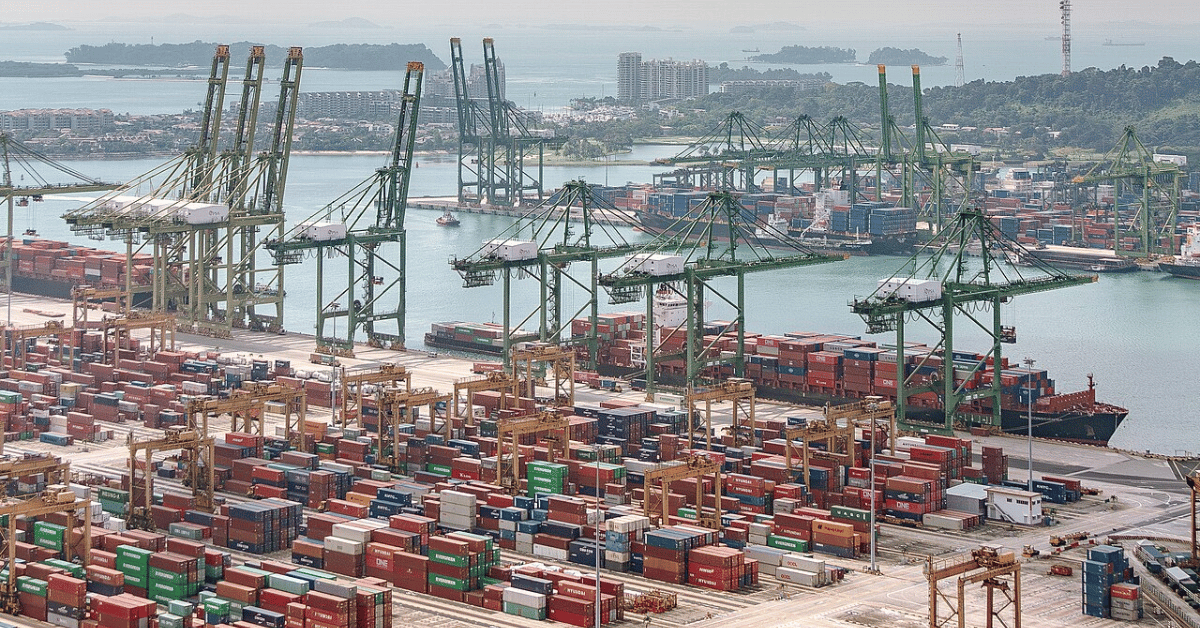
A new data-sharing accord between Singapore and Brunei, signed on the sidelines of the 12th Singapore-Brunei Young Leaders' Programme, represents a calibrated step forward for transnational ocean intelligence. This is not merely a diplomatic formality; it is a practical mechanism for turning fragmented maritime data into a shared, validated resource. For researchers and policymakers tracking the complex currents of the Strait of Singapore, this agreement means that empirical, real-time observations will now flow across borders with fewer bureaucratic barriers, enabling a more integrated data ecosystem for one of the world's busiest shipping lanes.
The value of such structured collaboration becomes clearer when contrasted with recent events. The Integrated Response Saves 25 Seafarers After Container Ship Distress demonstrated what coordinated action can achieve in a crisis, but that response relied on ad hoc communication between multiple parties. A standing data-sharing framework, like the one Singapore and Brunei have just established, institutionalizes that coordination before an emergency occurs. It shifts the paradigm from reactive rescue to proactive monitoring, measurable, longitudinal datasets on traffic patterns, weather, and sea conditions that can predict risk rather than merely respond to it. Similarly, the Two Navies, One Port: U.S. and Bahamian Forces Deepen Maritime Alignment highlights how bilateral port cooperation often focuses on security and interoperability. This new accord broadens that concept, folding in environmental and commercial ocean intelligence as equal pillars of the partnership.
What makes this agreement particularly forward-thinking is its focus on data itself as a shared asset. Too often, maritime cooperation is limited to joint patrols or port visits, visible but intermittent. This MOU targets the invisible infrastructure of knowledge: the peer-reviewed hydrographic surveys, the calibrated buoy networks, the climate indicators that require sustained, transnational attention to be meaningful. For ocean enthusiasts and students in the region, it means that the health of the Strait will be measured with greater precision and transparency. For the global community, it provides a replicable model for how small, purposeful accords can strengthen ocean intelligence without requiring massive institutional overhauls.
The specific consequence to watch is how this data-sharing pipeline handles the inevitable discrepancies between national monitoring standards. Will the two nations agree on a single calibration protocol, or will they build a system that integrates heterogeneous datasets? The answer will determine whether this accord becomes a template for the region or a footnote. That is the practical test of its ambition.