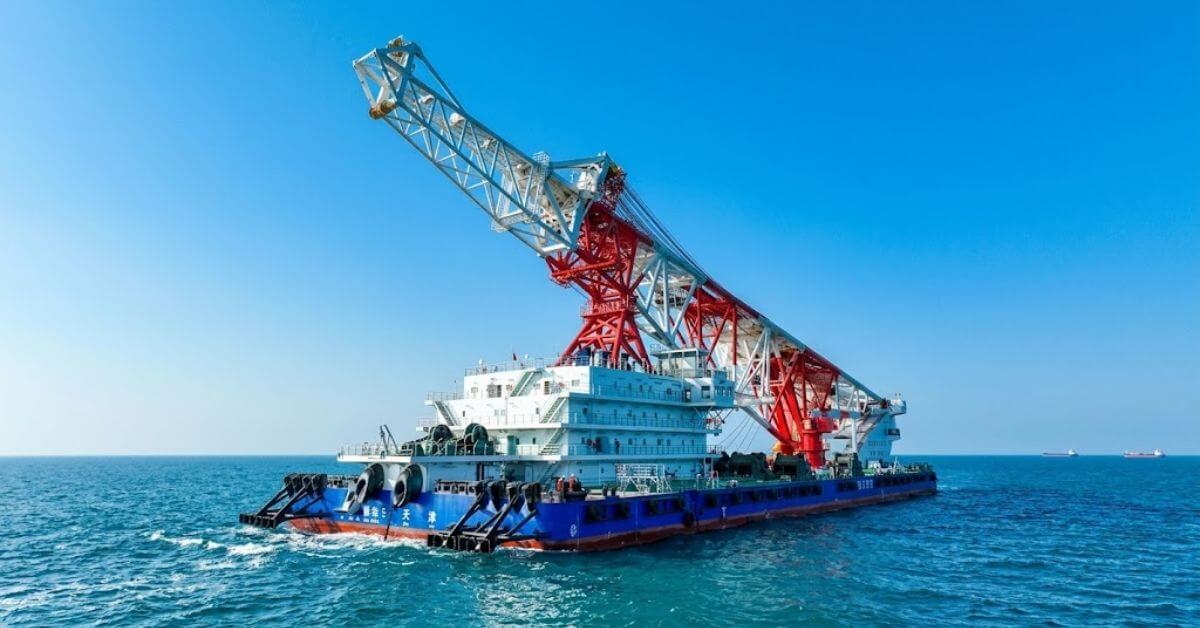
The arrival of the world's largest pile-driving vessel in Brazil to construct the Salvador-Itaparica Bridge is a remarkable feat of engineering, but it also forces a necessary conversation about the cost of coastal infrastructure. We see this project as a clear indicator that the global push for development is accelerating in marine environments, and the ocean intelligence community must scale its monitoring and mitigation efforts accordingly. The scale of this operation, driving massive foundations into the seabed of Todos os Santos Bay, will generate acoustic and sediment disturbance on a level that demands rigorous, real-time data collection. This is not a reason to halt progress, but it is a reason to insist that every phase of construction is calibrated against measurable environmental baselines.
This story does not exist in isolation. It connects directly to the persistent pollution challenges documented in Itajaí's $43M Waste Spend: Data Reveals Persistent Ocean Pollution, where local authorities are spending heavily to remediate chronic contamination. A bridge project of this magnitude, if not managed with integrated environmental oversight, risks compounding those existing pressures with new ones. Similarly, the dangers of unforecast conditions highlighted in Data Gaps Threaten Vessels as Wave Conditions Go Unforecast remind us that even the most advanced marine operations rely on empirical wave and current data to ensure safety. Without a peer-reviewed, longitudinal monitoring plan attached to this bridge, we are essentially operating blind in a sensitive ecosystem.
Our position is straightforward: the engineering ambition is impressive, but the environmental accountability must match it. The pile-driving vessel represents a triumph of human innovation, yet the ocean is not a passive construction site. It is a dynamic, interconnected system where noise, vibration, and sediment plumes travel far beyond the immediate work zone. The developers should be required to publish validated, real-time data on underwater noise levels and turbidity throughout the installation process. Without such transparency, local communities and researchers are left to rely on anecdotal reports rather than empirical evidence. The German offshore wind sector, as seen with He Dreiht Wind Farm Powers German Grid, Boosting Renewable Capacity, has begun integrating operational data into public dashboards, a model Brazil could and should adopt for this bridge.
The specific takeaway here is a question: will the Salvador-Itaparica Bridge become a case study in how to build responsibly in marine environments, or will it be another example of infrastructure outpacing environmental intelligence? The answer depends on whether the project's backers commit to open, integrated data ecosystems from day one. We will be watching for the first noise-monitoring buoys to go in the water.