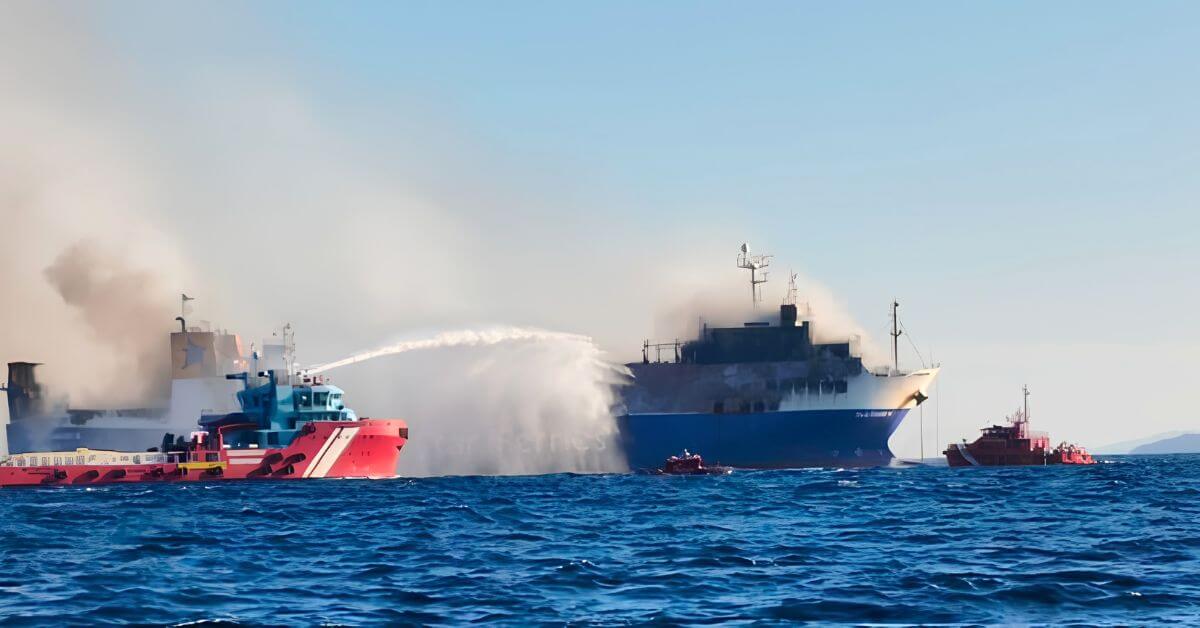
A fire aboard a Greek-flagged ro-ro cargo ship north of Mykonos on September 25 forced all 29 crew and passengers to abandon the vessel. The incident, which remains under investigation, adds another data point to a busy season of maritime emergencies across the Mediterranean and beyond. It also sits alongside a broader pattern of seaborne risk that has defined recent weeks: from the Gulf of Oman STS Transfers Max Out Amid Rising Saudi Oil Exports to the Bulk Carrier Freed After Prolonged Grounding Near Gladstone, Australia. Each incident is distinct in cause and consequence, but together they underscore a simple truth: the margin for error at sea remains thin, and the cost of complacency is measured in evacuations, groundings, and lost cargo.
Our take is not alarmist, and it should not be. Fires on ro-ro vessels are a known hazard, often tied to cargo handling, electrical faults, or battery-related risks in vehicles. The evacuation succeeded, which speaks to crew training and the effectiveness of standard operating procedures. But success here is a starting point, not a conclusion. The fact that 29 people had to abandon ship in the Aegean is a reminder that even well-regulated fleets face unpredictable events. For our readers, whether they operate tonnage, charter vessels, or manage port logistics, the practical question is not whether a fire will occur, but whether your response plan is calibrated to real-world conditions. This is where the value of longitudinal data and peer-reviewed incident analysis becomes tangible. We do not need more speculation about what could have happened; we need validated, measurable reporting on what did happen, and why.
What stands out in this case is the location. The Mykonos region is a high-traffic, high-visibility corridor, yet proximity to shore and tourist infrastructure did not prevent the crew from having to leave the ship. That is a humbling thought. It also connects to the broader theme of maritime risk in European waters, where the density of shipping and the speed of operations often outpace regulatory oversight. We would tell a reader who asked for our honest opinion: treat this incident as a stress test of your own safety culture. If a fire breaks out on your watch, will your crew know exactly when to stay and fight, and when to abandon? The Fatal Attack on Cargo Ship Highlights Black Sea Shipping Risks shows that in some regions the threat is deliberate, not accidental. But the response must be equally disciplined regardless of the cause.
The concrete point to watch is the investigation outcome, specifically whether the fire originated in the cargo hold or the engine room. That distinction will shape future guidance on ro-ro fire suppression and ventilation protocols. For now, the takeaway is direct: effective response is a function of preparation, not prediction. The crew did their job. The system worked. But in a season of maxed-out STS transfers and prolonged groundings, we should not mistake a successful evacuation for a solved problem. The sea will keep testing us. The question is whether we are learning at the same pace.