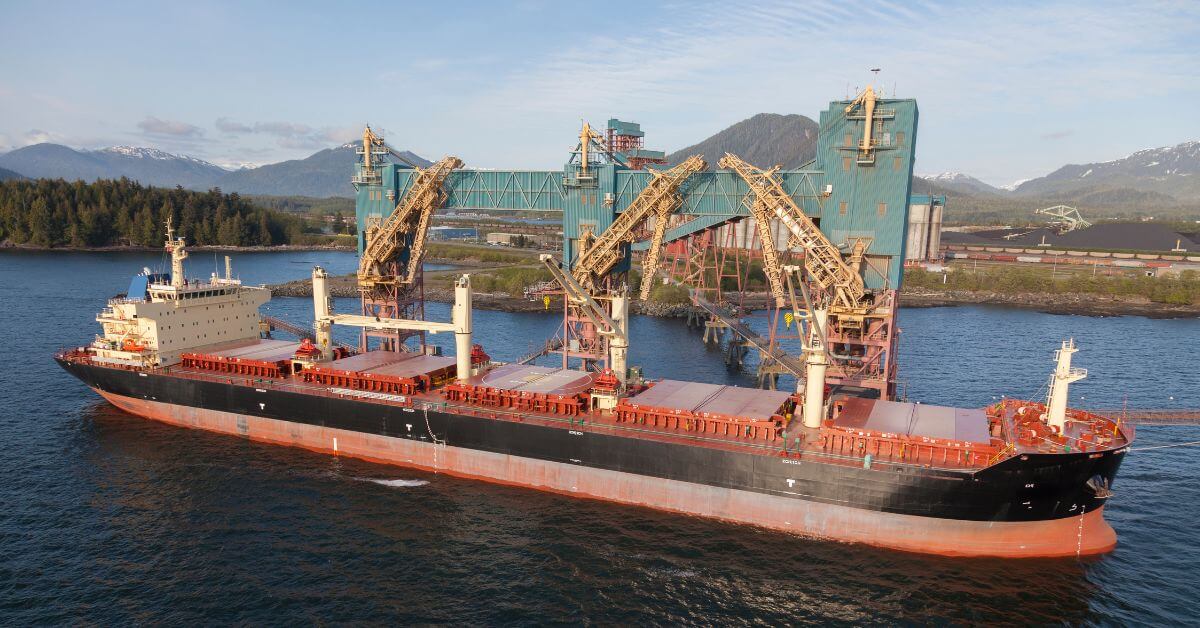
The legal charge against the captain of a Russian-controlled bulker for allegedly transporting 54,000 tonnes of Ukrainian grain is not merely a criminal proceeding; it is a direct test of accountability in a maritime system that has long struggled to enforce its own rules. We see this case as a necessary step toward making the ocean supply chain transparent, but it also exposes how easily cargo can become a weapon when empirical tracking and legal jurisdiction lag behind geopolitical reality. For our readers, researchers, policymakers, and maritime professionals, this development underscores a practical truth: the integrated data ecosystem we advocate for must extend beyond climate indicators and into the real-time monitoring of commercial vessel movements and cargo provenance.
The allegations fit a troubling pattern of maritime misconduct that stretches beyond grain theft. Consider how the Ferry fire tragedy prompts criminal complaint against captain amid 77 confirmed deaths similarly placed a master at the center of a legal reckoning, or how the Undersea Cable Integrity Questioned After Reported Location Falsification Incident reveals a willingness to hide operational data. In each case, the vessel's official records, whether position logs, cargo manifests, or safety compliance, became contested evidence. The grain bulker case adds a layer of resource theft to that list, turning a bulk commodity into a geopolitical prize. What connects these stories is the erosion of trust in the data that governs maritime conduct. If a captain can be charged with moving stolen grain, but the vessel's ownership structure and insurance chain remain opaque, then the charge alone cannot restore integrity to the system.
This is where our focus must sharpen. The practical consequence for ocean intelligence is that validated, peer-reviewed tracking methods, such as satellite-based automatic identification system (AIS) analysis and port-state inspection records, must become the baseline for any cargo claim. Ukraine's legal action is a signal that paper-based documentation is no longer sufficient when the stakes involve food security and territorial sovereignty. The charge itself is a measured, empirical response to an act that likely relied on falsified bills of lading and obscured beneficial ownership. For researchers and policymakers, the open question is whether international maritime law can keep pace with these tactics. Will the captain face extradition? Will the grain's origin be traced through a calibrated chain of custody? These are not hypotheticals; they are the next data points that will determine whether this case becomes a precedent or an anomaly.
The specific detail to watch is the evidentiary standard. If prosecutors can link the 54,000 tonnes of grain to a specific Ukrainian harvest through satellite imagery, soil analysis, or port records, they will have demonstrated that ocean intelligence is not just an academic tool but a forensic one. That would be a measurable win for the kind of collaborative, data-driven governance we champion. If the case stalls on jurisdictional grounds or insufficient tracking, it will confirm that the ocean's legal framework remains porous. Either outcome carries a direct lesson for anyone who relies on maritime trade: the gap between what a ship declares and what it actually carries is only as small as the data we demand.