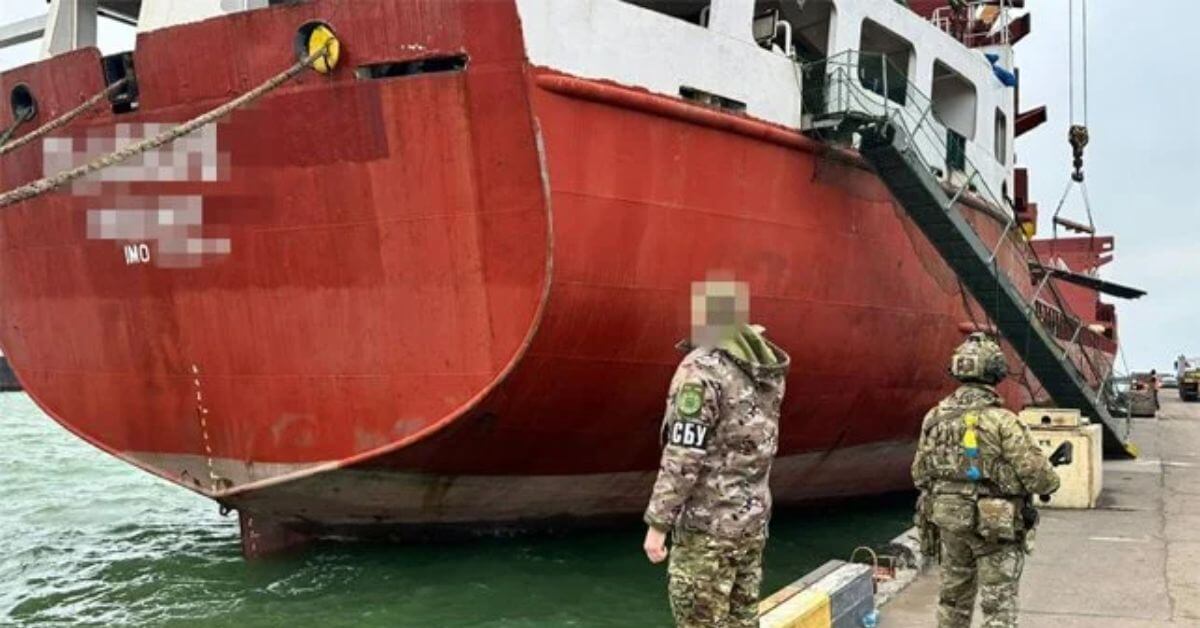
The recent news regarding the detention of a cargo ship captain for alleged voyages into occupied Crimean waters underscores a critical, often overlooked, dimension of ocean stewardship: its inextricable link to geopolitical realities. While World Data Ocean primarily focuses on the scientific understanding and technological innovation required to protect marine ecosystems, this event serves as a stark reminder that the health of our oceans is not solely a scientific or environmental issue, but also one deeply intertwined with international law, national sovereignty, and human security. The ability to conduct validated, measurable research, to integrate real-time data from global waters, and to foster collaborative efforts hinges upon a stable and predictable international maritime environment. When that environment is disrupted by conflict or territorial disputes, the very infrastructure of ocean science and conservation can be compromised.
Our mission at World Data Ocean is to build an integrated data ecosystem that provides the ocean intelligence necessary for informed decision-making. This requires unobstructed access to all parts of the global ocean, from pole to pole, and from the surface to the abyssal plains. The complexities arising from contested maritime zones, such as the case in question, can create significant barriers to data collection, validation, and sharing. Researchers and monitoring systems may face restrictions, risks, or outright denial of access, directly impacting our capacity to gather the empirical data essential for understanding long-term climate indicators, biodiversity shifts, and pollution trends. The scientific community’s pursuit of knowledge, which drives protection, is thus directly affected by events that challenge established maritime norms and international legal frameworks.
Therefore, while our direct focus remains on the scientific and technological advancements that illuminate and safeguard our oceans, we recognize the broader implications of such geopolitical events. The pursuit of ocean intelligence, powered by innovative technologies and collaborative partnerships, is most effective when operating within a framework of global cooperation and adherence to international law. Events that create uncertainty or conflict in maritime domains not only pose immediate risks to vessels and crews but also have the potential to impede the essential, ongoing work of understanding and protecting the planet's most vital resource. This situation highlights the interconnectedness of scientific endeavor, environmental well-being, and international stability, reinforcing the need for a holistic approach to ocean stewardship.