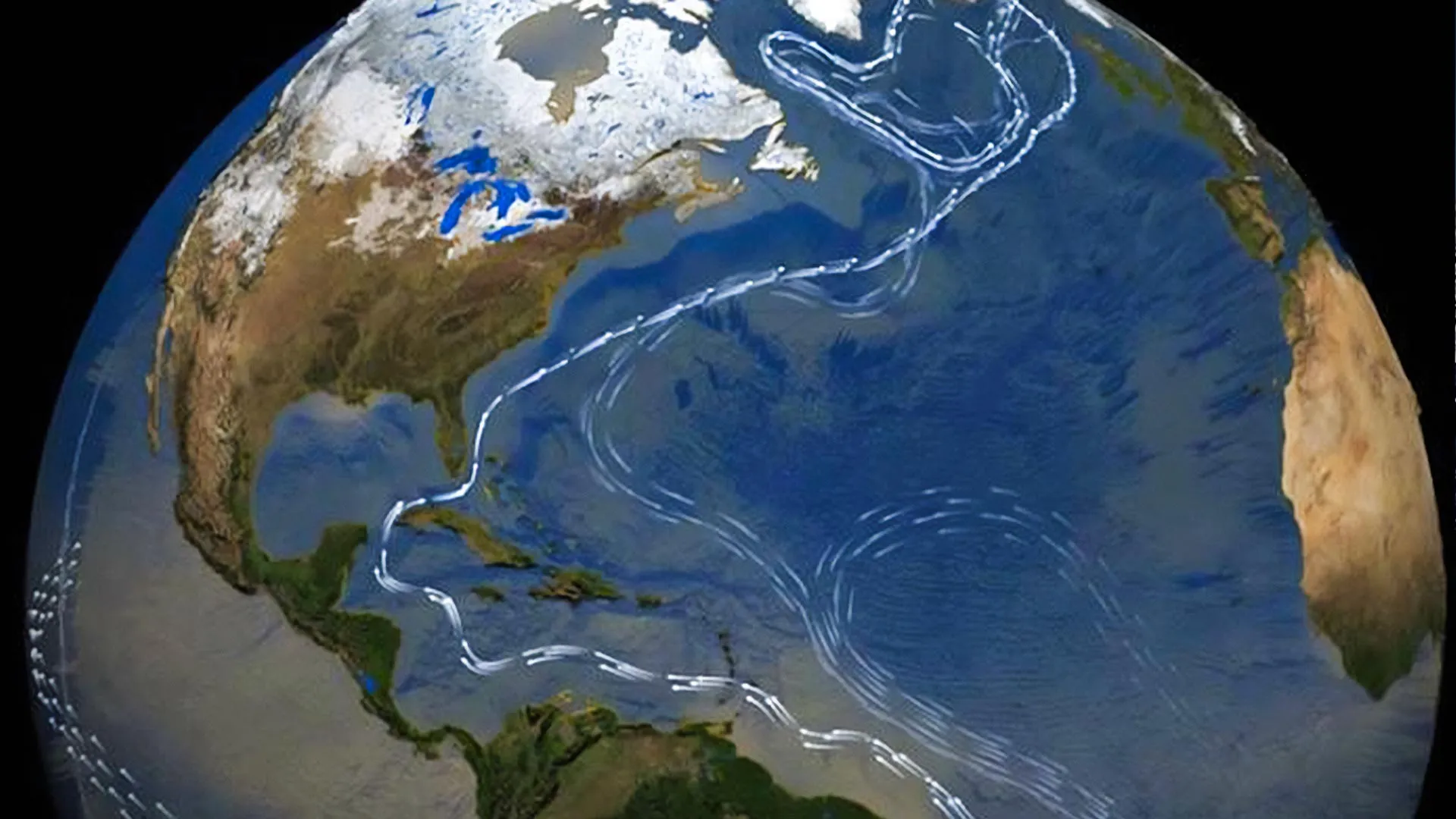
Our Take: Atlantic Circulation Weakens: Global Climate Reshaping Predicted
The recent findings regarding the weakening of the Atlantic Meridional Overturning Circulation (AMOC) present a critical juncture in our understanding of global climate dynamics. For nearly two decades, observational evidence has indicated a sustained slowdown across a significant expanse of the Atlantic, a development that carries profound implications for weather patterns, rainfall distribution, storm intensity, winter conditions, and coastal sea levels across the Atlantic basin. This weakening is not an isolated event but rather a critical indicator within the complex, integrated data ecosystem that World Data Ocean strives to monitor and analyze. The potential reshaping of these fundamental climatic elements underscores the urgent need for continuous, calibrated observation and rigorous scientific inquiry. We have seen how phenomena like "Hurricane Paths Shape Estuarine Flushing in Florida’s Multi-Inlet Systems" can dramatically impact regional environments, and the AMOC slowdown suggests a much broader, systemic shift. This also highlights why understanding ocean currents is so vital to all aspects of marine science, from the unexpected discovery of species like the "Unexpected Chiton Discovery in Puerto Rico Challenges Species Distribution Models" to the broader currents that influence global climate.
The significance of this observed weakening extends far beyond academic interest; it directly impacts human populations and ecosystems. The AMOC acts as a global conveyor belt, transporting warm surface waters poleward and colder deep waters equatorward, thereby regulating climate and weather across vast regions. A sustained slowdown could lead to more extreme weather events, altered agricultural patterns due to changes in precipitation, and increased coastal vulnerability from rising sea levels. These are not speculative outcomes but potential consequences derived from validated climate models and empirical observations. World Data Ocean's commitment to providing real-time, integrated data is precisely to arm policymakers, researchers, and communities with the ocean intelligence necessary to anticipate and adapt to these profound shifts. The scientific community's ability to track and interpret these longitudinal trends is paramount, offering a window into the Earth's intricate climate system.
From a global perspective, this development emphasizes the interconnectedness of our planet's systems. Changes in one major oceanic current can cascade through atmospheric and terrestrial environments, affecting distant regions. This reinforces the need for global collaboration in data collection and analysis, fostering a shared understanding of these complex phenomena. The insights gained from peer-reviewed research are crucial for informing effective strategies, whether they pertain to climate resilience, resource management, or the development of sustainable energy solutions. While the immediate focus is on the Atlantic, the implications for other ocean basins and their respective climate indicators are substantial, underscoring the necessity of a holistic, integrated approach to ocean stewardship.
The observed weakening of the AMOC serves as a powerful reminder of the delicate balance within our climate system and the profound impact of human activities. Understanding drives protection, and this latest scientific finding compels us to intensify our efforts in monitoring, researching, and responding to these critical changes. The long-term implications are still being modeled and refined, but the trajectory is clear: the ocean's influence on global climate is undeniable, and its health is inextricably linked to our own. The question before us now is not whether the AMOC is weakening, but rather, how effectively will the global community leverage integrated data and scientific consensus to mitigate the impending changes and foster a resilient future?