ocean circulation
ocean circulation on World Data Ocean: a running collection of 25 stories we have gathered and hand-picked because they are worth your time. Every post here touches on ocean circulation in some way — the news, the analysis, the deep dives, and the occasional surprise find. A Global Hub for Ocean Intelligence 4 World Data Ocean is a centralized digital platform where researchers, scientists, and ocean enthusiasts converge to explore, analyze, and… New stories are added to this page as we find them, so check back if you want to keep up with what is happening around ocean circulation, or subscribe to the RSS feed to get them as soon as they are published. Browse the collection below, or head back to the homepage to see everything World Data Ocean is covering right now.

Dynamics of the strong Wyrtki Jet events in the eastern Indian Ocean in 2014
Recent research illuminates the dynamics of exceptional Wyrtki Jet events in the eastern Indian Ocean, specifically analyzing a pronounced 2014 occurrence. Utilizing satellite drifter data and mooring observations, scientists documented unprecedented zonal velocities—reaching 1.2 m/s, double the typical spring climatology—and an atypical eastward current in July. Simulations utilizing the LICOM ocean model reveal that wind-driven Kelvin and Rossby waves critically modulate these events, with higher baroclinic modes playing a significant role.

A vital system of Atlantic Ocean currents is weakening and closer to collapse than thought, new studies find - CNN
Emerging research indicates a concerning acceleration in the weakening of the Atlantic Meridional Overturning Circulation (AMOC), a critical system of ocean currents, potentially nearing a point of abrupt collapse sooner than previously projected. These findings, detailed in recent studies, underscore the urgency of understanding and mitigating climate impacts. World Data Ocean prioritizes validated, longitudinal data to monitor these shifts. For deeper insights into data collection efforts, explore our coverage of how participants in The Ocean Race Atlantic are contributing to climate data acquisition.
Persistent mid-water column hypoxia in a temperate fjord of the northeast Pacific Ocean
Coastal waters globally face increasing susceptibility to hypoxia, or low-oxygen conditions, often driven by human activities. This study identifies a persistent, mid-water column hypoxic layer within a remote northeast Pacific fjord—an unusual occurrence lacking a typical entrance sill. Sustained by limited reoxygenation and influenced by fjord morphology, this low-oxygen zone expands seasonally and exhibits adverse marine CO2 conditions, impacting local calcifiers.
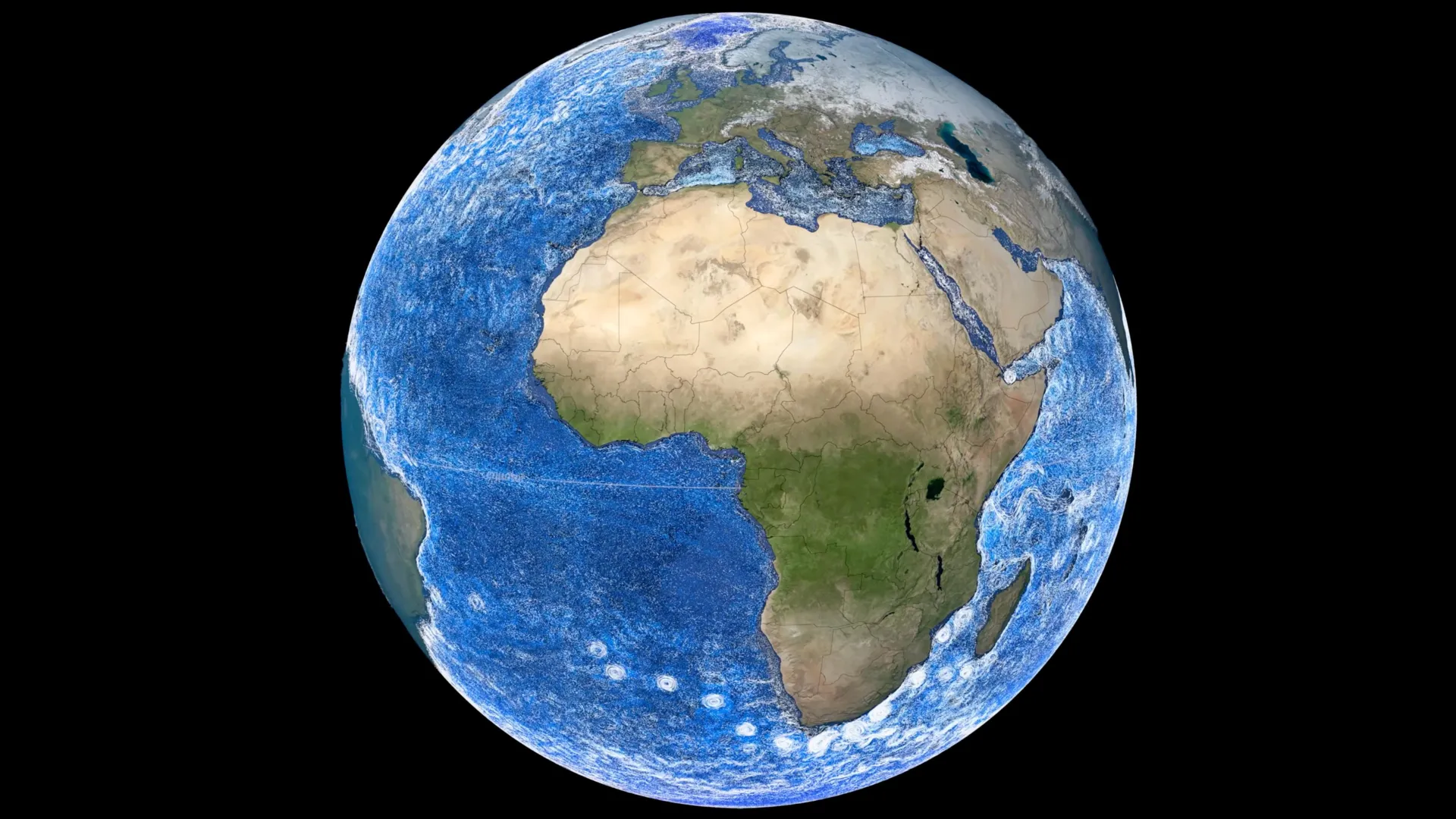
The Atlantic Ocean can handle more warming than expected — with one big catch
Recent research indicates the Atlantic Ocean’s capacity to absorb warming may exceed initial projections—though this resilience hinges on the rate of temperature increase. Scientists have established that the Atlantic Meridional Overturning Circulation (AMOC), a critical ocean current, demonstrates heightened vulnerability to rapid warming compared to gradual changes. While slow warming allows for adaptation, accelerated rates—consistent with current trends—risk triggering a tipping point at surprisingly lower temperatures.
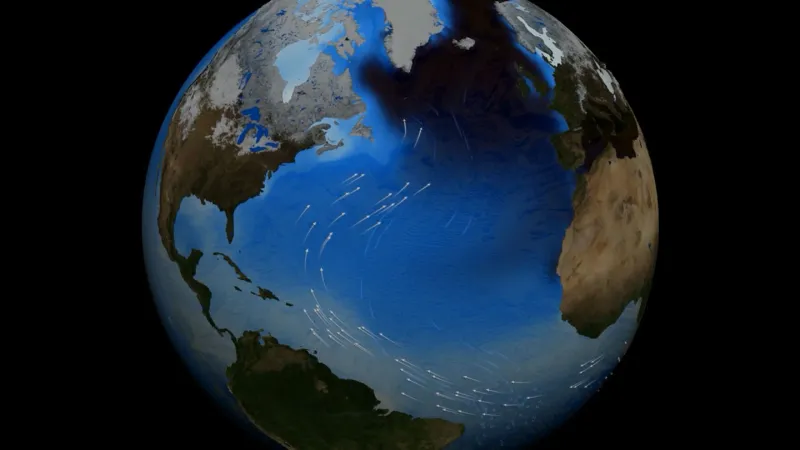
The AMOC stayed strong even as a major ocean “lifeline” nearly shut down
Recent analysis of ancient seafloor sediments has revealed a surprising resilience within the Atlantic Meridional Overturning Circulation (AMOC). Contrary to expectations, the AMOC remained robust even as a critical influx of warm, salty water from the Indian Ocean nearly ceased 3.4 million years ago—a period of significant climate cooling. Notably, certain components of this vital overturning circulation even strengthened.
Potential connectivity of marginal coral reefs in the northern South China Sea
Marginal coral reefs in the northern South China Sea (NSCS) face growing threats from thermal stress and local disturbances, highlighting the need to understand their connectivity. Recent research utilizing a Lagrangian particle-tracking model assessed potential larval exchange among 23 reef patches, revealing a spatially uneven and temporally intermittent network. Findings indicate that while longer larval durations increase potential links, many are weak.
Model framework for storm surge forecasting in Venice Lagoon: what-if scenario with movable barriers
The Venice Lagoon faces escalating risks from extreme storm surges, mitigated primarily by the MoSE movable barrier system. This study introduces a novel modeling framework integrating an immersed boundary method within the SHYFEM-MPI ocean circulation model to accurately simulate storm surge dynamics and the impact of these barriers. Validated through testing and applied to the November 2022 event, the framework demonstrates the capability to forecast storm surges from regional scales to the urban environment.
Multiscale oceanic response to Typhoon Noru (2022) in the South China Sea: modulation by submesoscale processes
Understanding the multiscale oceanic response to Typhoon Noru (2022) in the South China Sea is crucial for enhancing typhoon intensity predictions. This study investigates how submesoscale processes influence the three-dimensional reshaping of the post-typhoon wake. Utilizing a nested model configuration, we reveal that wind-driven vertical mixing primarily dictates cooling magnitudes, while submesoscale dynamics drive significant thermal variability. Our findings underscore the necessity of incorporating submesoscale processes for improving vertical transport parameterizations in coupled prediction models.
Temporal and spatial drivers of elasmobranch diversity and relative abundance in Lhaviyani Atoll, Central Maldives
The Maldives is renowned for its rich diversity of sharks and batoids, yet detailed patterns of elasmobranch occurrence in the region remain underexplored. This study examines a comprehensive seven-year dataset of 12,732 SCUBA surveys and 142,994 observations from Lhaviyani Atoll, identifying 28 species, including 23 threatened on the IUCN Red List. Our findings reveal that elasmobranch diversity and abundance are influenced by environmental factors such as sea surface temperature and current velocity, crucial for guiding effective conservation efforts.
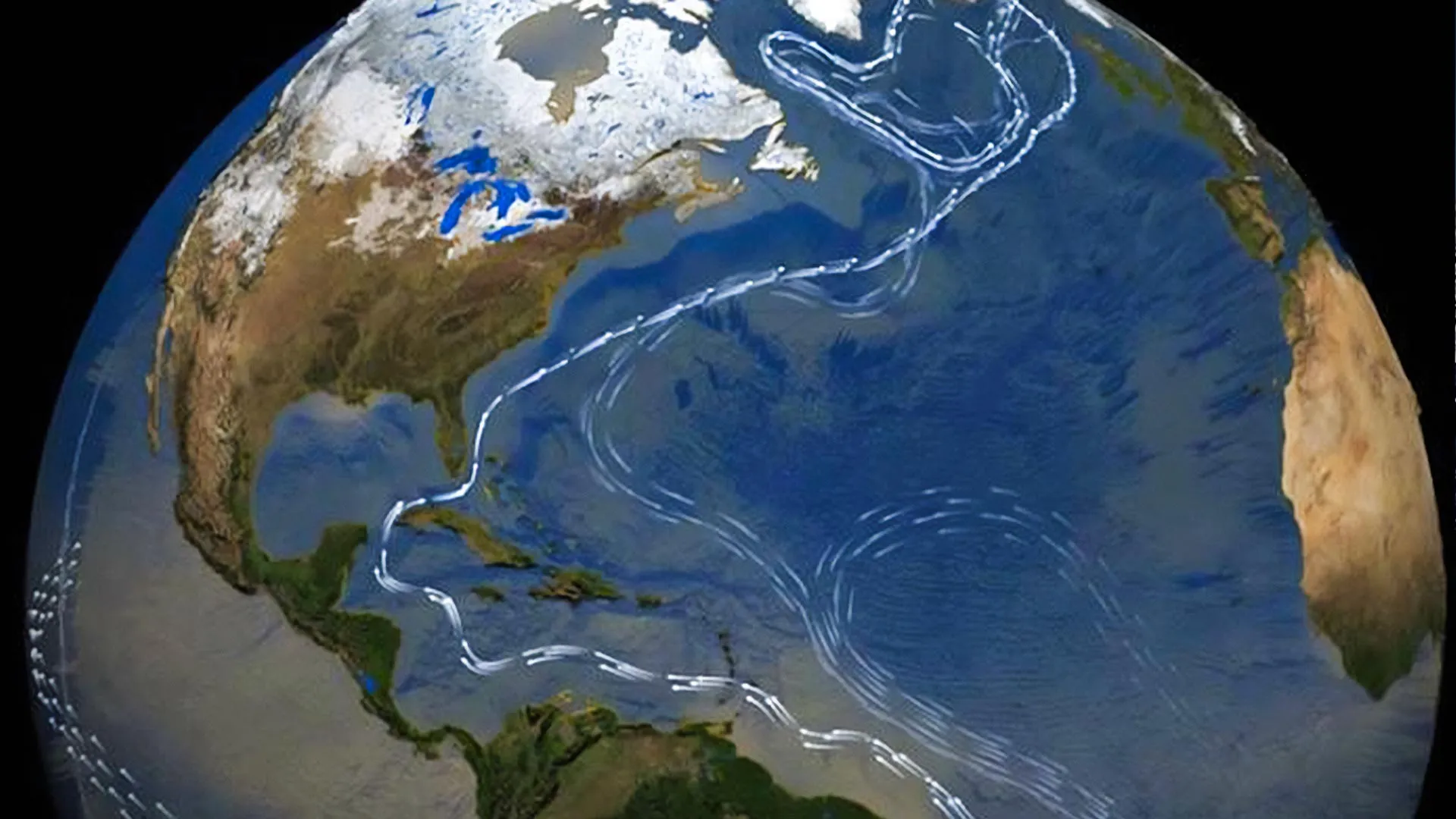
The outlook for a climate-regulating ocean current is…not good
The outlook for the Atlantic Meridional Overturning Circulation, a vital climate-regulating ocean current, is concerning, with projections indicating a weakening of up to 50 percent by 2100. This significant decline raises critical questions about the implications for global climate patterns and marine ecosystems. Addressing this challenge requires strategic action and collaboration among scientists, policymakers, and the public.
Scientists say a critical Atlantic ocean current is weakening and the world could feel the impact
Scientists have identified compelling evidence indicating that a key Atlantic Ocean current system, which plays a vital role in regulating global climate, is weakening. This significant slowdown has been observed over nearly two decades across a broad area of the North Atlantic. The implications of this change are profound, as this ocean circulation influences weather patterns and temperatures. Consequently, alterations to this system could lead to notable impacts on storms, rainfall distribution, sea levels, and winter conditions in regions of Europe and North America.
Structure and dynamics of a mesoscale eddy in the Kara Sea marginal ice zone during summer 2024
The Marginal Ice Zone (MIZ) serves as a critical interface for interactions between the atmosphere, ocean, and sea ice, prompting frequent mesoscale eddy formation. This study explores a mesoscale eddy in the northeastern Kara Sea during summer 2024, utilizing in situ and satellite data alongside ellipsoidal vortex theory. Our findings reveal the eddy's significant role in transporting freshened cold water and influencing local circulation patterns.

Scientists just uncovered a 3 million-year climate mystery in Antarctic ice
Scientists have made a groundbreaking discovery in Antarctic ice, revealing insights into Earth's climate over the past 3 million years. By examining tiny pockets of trapped air and rare gases, researchers found that while global temperatures dropped significantly—particularly in oceanic regions—the levels of crucial greenhouse gases like carbon dioxide and methane changed only modestly. This unexpected finding indicates that other influential factors, such as shifting ice sheets, ocean circulation patterns, and changes in Earth’s reflectivity, have played substantial roles in driving long-term climate change.
Levels of 129I in coastal Pacific Ocean waters from southern California, 2011–2020 and the legacy of Fukushima
This study examines the levels of iodine-129 (129I) in coastal Pacific Ocean waters from southern California between 2011 and 2020, following the Fukushima Daiichi Nuclear Power Plant accident. Initiated in June 2011, our monitoring program at Scripps Pier aimed to detect potential radionuclide transport from Japan. Despite extensive sampling, we found no significant 129I signal directly linked to Fukushima. Instead, we observed a systematic seasonal 129I time series, likely influenced by local surface circulation variations. This report integrates recent findings from 2018-2020 and previously
Decadal variability of eddy kinetic energy in the subtropical Northeast Pacific
Ocean mesoscale eddies, characterized by substantial eddy kinetic energy (EKE), are crucial to ocean circulation, climate, and biogeochemistry. This study investigates the decadal variability of EKE in the Subtropical Northeast Pacific using observational data from 1993 to 2024. Findings reveal significant decadal variability with a notable 10–11 year cycle, primarily influenced by the Pacific Decadal Oscillation (PDO). The variability manifests as a monopole spatial pattern, impacting both cyclonic and anticyclonic eddies, and is expected to have substantial effects on the coastal
Integrating climate storylines and time of emergence on vulnerability assessments: the case of crested penguins
This study explores the vulnerability of crested penguins to ocean warming by integrating innovative climate assessment tools—storylines and time of emergence. As anthropogenic climate forcing alters ocean circulation in the Southern Ocean, understanding the impacts on these threatened species becomes increasingly complex due to uncertainties in climate projections.
Global climate–linked reorganization of upper-ocean structure in the northern South China Sea during 24–20 Ma
The Oligocene–Miocene transition, spanning approximately 24–20 million years ago, was a pivotal period marked by significant global climate and ocean circulation shifts. This study presents stable isotope and Mg/Ca temperature records from planktic foraminifera at IODP Site U1501 in the northern South China Sea, revealing notable upper-ocean hydrographic variability. Findings illustrate changes in thermal and nutrient stratification, highlighting the interplay between ocean dynamics and climate transitions. The research underscores the necessity for understanding low-latitude ocean responses to early Miocene climate variability, informed by regional
Wintertime upper-layer circulation in the yellow sea: SOM-based pattern analysis and synoptic event modulation
This study investigates the wintertime upper-layer circulation in the Yellow Sea, focusing on the influence of southern compensatory inflow and the shelf-break jet. Utilizing high-resolution ocean reanalysis data from 2020 to 2025, the research employs the Self-Organizing Map (SOM) technique to identify dominant circulation states and their variability during synoptic-scale atmospheric events. The findings reveal significant fluctuations in circulation intensity and structure, particularly highlighting the shelf-break jet's behavior across different winters.
Evidence of increased hydrodynamic retention in the spawning grounds of large pelagic fishes in the western Mediterranean
This study investigates the critical role of hydrodynamic retention in the spawning grounds of large pelagic fishes in the western Mediterranean, specifically focusing on Atlantic bluefin tuna, albacore tuna, and swordfish. Traditionally, spawning grounds have been associated with temperature and surface mixing; however, this research posits that oceanographic processes are equally vital for sustaining early life stages.
Effects of the Amazon River plume in benthic distribution across the Amazon-Guianas shelf
The Amazon-Guianas continental shelves represent a dynamic tropical margin shaped significantly by the Amazon and Orinoco rivers. This study explores how river-derived particulate organic carbon (POC) influences benthic ecosystems, utilizing a 21-year time-series analysis of Amazon River discharge and satellite-derived POC data. Our findings reveal distinct POC concentration patterns across four shelf sectors and highlight regional variations in benthic invertebrate composition. These results underscore the critical relationship between river plume dynamics and benthic biogeography, enhancing our understanding of ecosystem structure in this vital region.
Large-scale mass transports, water mass formation, and diffusivities estimated from World Ocean Circulation Experiment (WOCE) hydrographic data - AGU Publications
The World Ocean Circulation Experiment (WOCE) provides invaluable hydrographic data that enhances our understanding of large-scale mass transports, water mass formation, and diffusivities in the oceans. This publication from AGU highlights key findings derived from extensive empirical analyses, offering insights into the dynamics of ocean circulation. By employing validated methodologies, the study underscores the significance of these processes in regulating climate and supporting marine ecosystems.
Improved estimates of global ocean circulation, heat transport and mixing from hydrographic data - Nature
Recent advancements in hydrographic data have led to improved estimates of global ocean circulation, heat transport, and mixing processes. This research, published in *Nature*, emphasizes the critical role that enhanced ocean intelligence plays in understanding climate dynamics. By integrating validated measurements and empirical data, scientists can better assess how these factors influence global climate systems and marine ecosystems. The findings underscore the importance of collaborative efforts in oceanographic research, highlighting the need for ongoing commitment to ocean stewardship and informed policy-making.
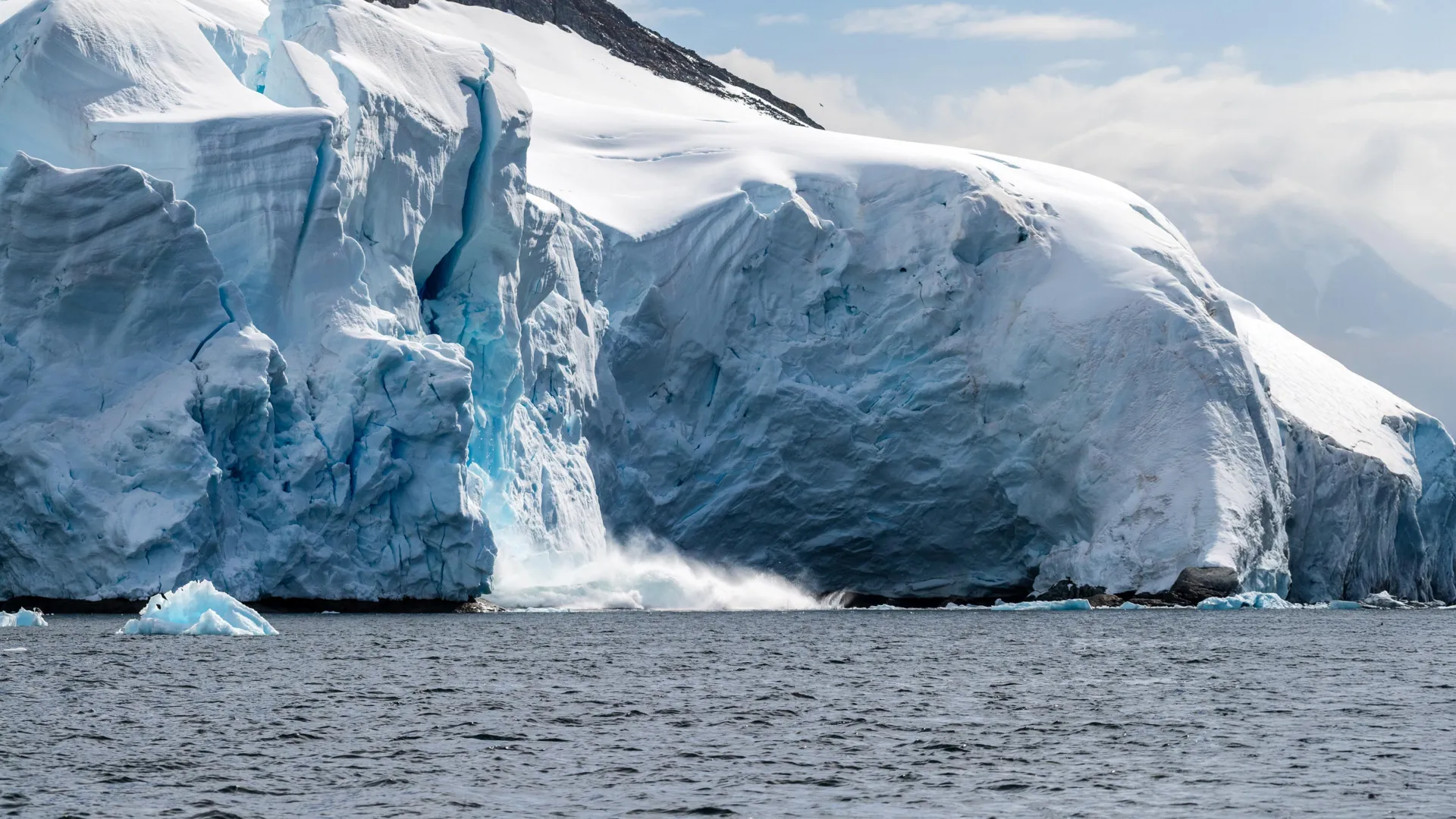
Antarctica’s collapse may already be unstoppable, scientists warn
Researchers warn that Antarctica is experiencing rapid changes that could have dire global consequences. The melting of ice, collapsing ice shelves, and disruptions in ocean circulation pose significant threats to sea levels, ecosystems, and climate stability. This transformation endangers wildlife populations, including penguins and krill, which face increasing extinction risks. Scientists emphasize the urgent need for swift emission reductions to prevent irreversible damage and safeguard both the region's biodiversity and the health of our planet's climate system.

A hidden Antarctic shift unleashed the carbon that warmed the world
A significant shift in deep-ocean circulation around Antarctica played a crucial role in releasing long-stored carbon into the atmosphere as the last Ice Age came to an end. Evidence from deep-sea sediments reveals that ancient Antarctic waters had trapped vast amounts of carbon, which were subsequently released during two major warming events. Understanding these historical shifts is vital for scientists today, as it provides insights into how modern Antarctic melting may further accelerate climate change, underscoring the urgency of addressing ocean health and climate stability.