Antarctica gained a record 695 billion tons of ice. Scientists found the surprising reason
Our take
The recent discovery that East Antarctica gained a record 695 billion tons of ice between 2021 and 2023 presents a complex and nuanced picture within the broader narrative of Antarctic ice loss. While seemingly counterintuitive given the global trend of accelerating ice melt, this finding underscores the intricate and often unpredictable nature of climate systems. The mechanism driving this localized gain – warming in the tropical ocean influencing atmospheric circulation and resulting in increased snowfall over East Antarctica – highlights the interconnectedness of ocean and atmospheric processes across vast distances. It's a compelling demonstration of how changes in one region can ripple across the globe, impacting even the seemingly remote polar regions. This phenomenon echoes findings in related research, such as the observed [15-year shift in protist communities and a decline of heterotrophic dinoflagellates in the Oslofjord and Skagerrak], which similarly documents how climate change-induced warming in temperate coastal waters is altering marine ecosystems. Furthermore, the accelerated glacial retreat observed in the Arctic, documented in [Paraglacial lagoons of Svalbard: emerging ecosystems at the Arctic Land-Sea interface], provides a parallel example of how changing climate conditions are fundamentally reshaping landscapes and fostering the emergence of new ecological zones.
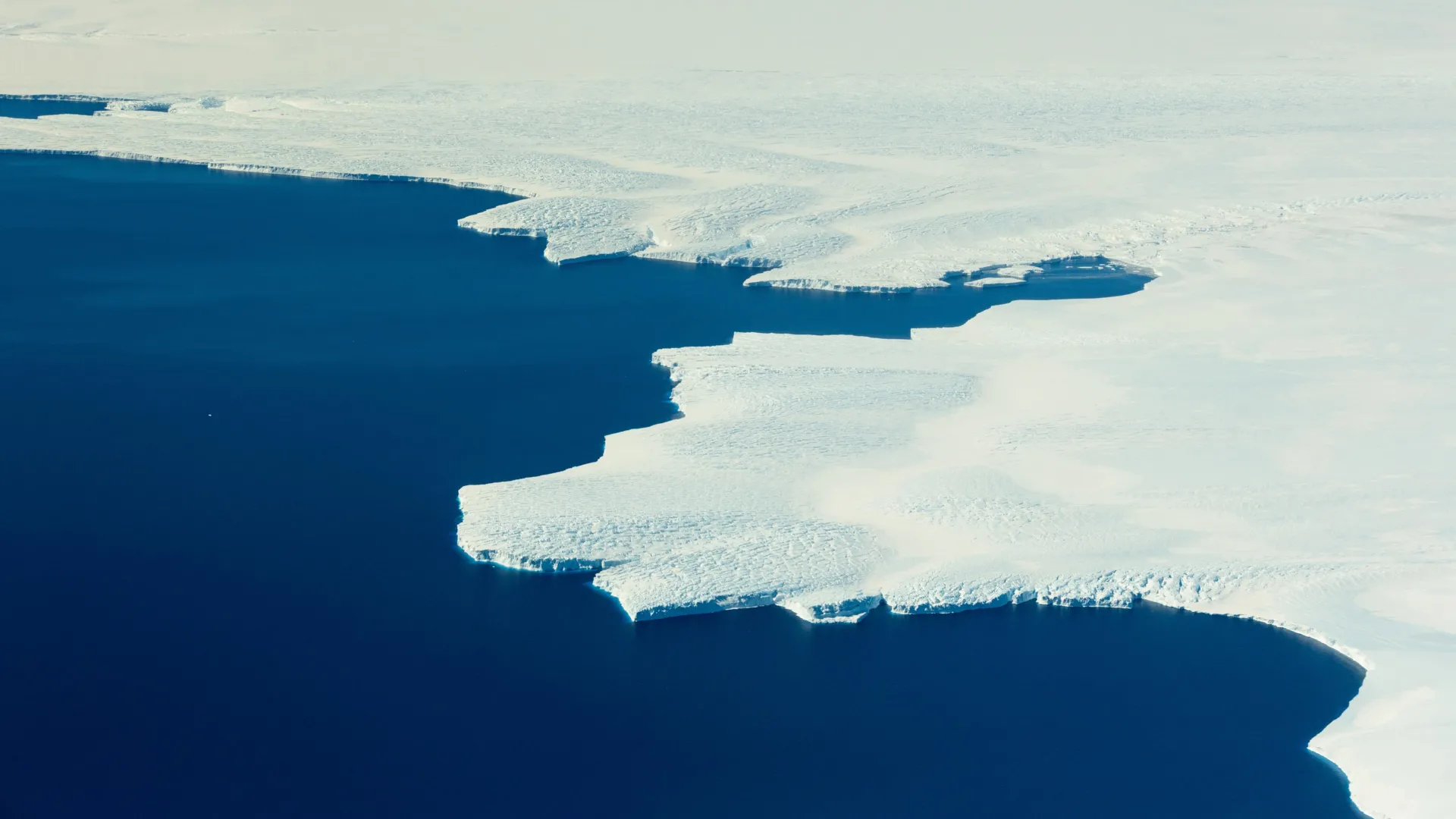
The key takeaway here isn't that Antarctica is suddenly reversing its decline, but rather that the dynamics are far more complex than previously understood. East Antarctica, which holds the vast majority of the continent’s ice mass, has historically been considered more stable than its West Antarctic counterpart. This temporary gain, while significant in magnitude, does not negate the long-term trend of ice loss across the continent as a whole, nor does it alleviate concerns about rising sea levels. The study reinforces the need for improved climate models that can accurately simulate these teleconnected atmospheric and oceanic processes. Current models often struggle to capture the full extent of these long-range influences, potentially leading to underestimations of future ice melt rates and sea-level rise projections. Understanding these intricate linkages is crucial for developing robust and reliable predictions, informing effective mitigation and adaptation strategies. We’ve seen similar complexities in ocean circulation patterns, as demonstrated by research into [Dynamics of the strong Wyrtki Jet events in the eastern Indian Ocean in 2014], highlighting the role of regional currents in influencing broader climate systems.
The discovery also prompts a critical re-evaluation of our assumptions about polar stability. It suggests that localized increases in snowfall, driven by shifts in atmospheric circulation, can temporarily offset ice loss in certain regions, even amidst a globally warming climate. However, it's essential to emphasize that this is a transient phenomenon. The underlying drivers – tropical ocean warming – are themselves a consequence of anthropogenic climate change. As these drivers intensify, it's likely that the atmospheric circulation patterns will shift again, potentially disrupting the current influx of moisture and leading to a resumption of ice loss in East Antarctica. The scale of this gain – 695 billion tons – is substantial, requiring us to incorporate such variability into our broader understanding of ice sheet dynamics and sea-level change projections. Ignoring these localized fluctuations could lead to inaccurate assessments of future risks.
Ultimately, this research serves as a potent reminder of the interconnectedness of the global climate system and the need for a more holistic and nuanced approach to understanding polar ice dynamics. While the temporary gain in East Antarctica offers a brief respite, it should not be interpreted as a sign of overall stability. Instead, it underscores the urgency of addressing the root causes of climate change and the importance of continued scientific investigation into the complex feedback loops that govern our planet's climate. A critical question moving forward is whether similar, albeit perhaps less dramatic, localized gains are occurring in other regions of Antarctica, and if these could significantly influence the overall ice sheet mass balance in the coming decades.
Read on the original site
Open the publisher's page for the full experience