metabolism
metabolism on World Data Ocean: a running collection of 3 stories we have gathered and hand-picked because they are worth your time. Every post here touches on metabolism in some way — the news, the analysis, the deep dives, and the occasional surprise find. A Global Hub for Ocean Intelligence 4 World Data Ocean is a centralized digital platform where researchers, scientists, and ocean enthusiasts converge to explore, analyze, and… New stories are added to this page as we find them, so check back if you want to keep up with what is happening around metabolism, or subscribe to the RSS feed to get them as soon as they are published. Browse the collection below, or head back to the homepage to see everything World Data Ocean is covering right now.

Extreme warming increases metabolic demand and diminishes acidification effects on larval survival in the dog conch Strombus canarium
Rising ocean temperatures and acidification pose escalating threats to marine ecosystems. A recent study investigated the combined impact on *Strombus canarium* larvae, revealing that extreme warming significantly diminishes the effects of acidification on survival. While growth performance responded positively to moderately reduced pH, oxygen consumption increased with temperature. These contrasting responses highlight the potential for altered metabolic demands to constrain larval performance, suggesting thermal stress may become a dominant factor under future warming scenarios.

The protein craze may not be for everyone
The pursuit of increased protein intake has gained considerable traction, yet emerging data suggest this trend may not be universally beneficial. Longitudinal studies indicate that elevated protein consumption in sedentary individuals could potentially accelerate biological aging processes. While protein plays a vital role in numerous physiological functions, its impact is nuanced and context-dependent. Further research, as explored in our article "How one amino acid might help fight colon cancer and infections," continues to illuminate the complex interplay between dietary components and long-term health outcomes.
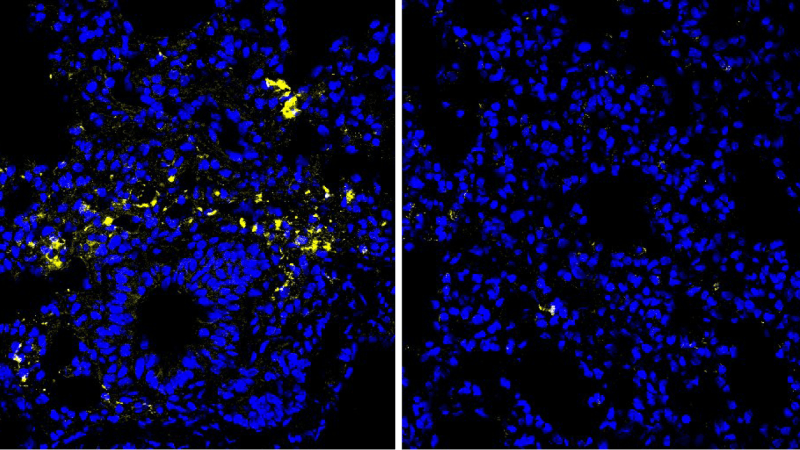
How one amino acid might help fight colon cancer and infections
Emerging research suggests a simple dietary intervention may offer dual benefits against colon cancer and infectious disease. A recent study demonstrates that dietary arginine, a common amino acid, significantly reduced tumor formation and viral load in mice, achieved through bolstering key immune proteins. These findings highlight arginine’s potential to modulate immune response and contribute to preventative health strategies. For further insight into related preventative measures, explore our article, "An experimental oral vaccine may prevent invasive bacterial diarrhea."