How one amino acid might help fight colon cancer and infections
Our take
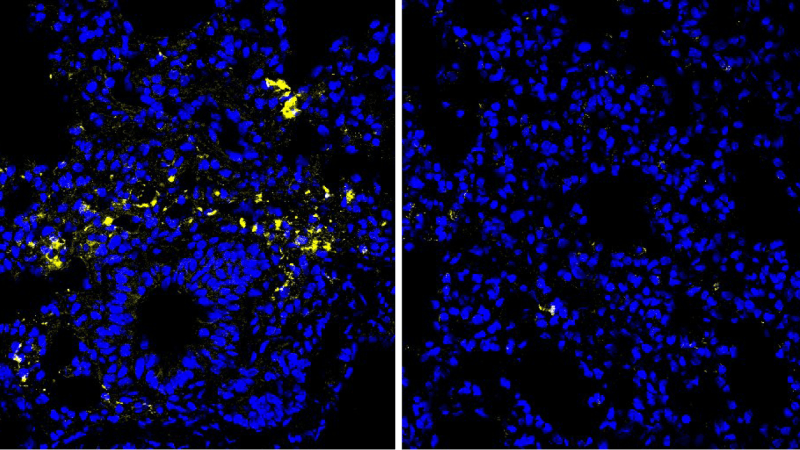
The recent findings regarding arginine’s impact on tumor formation and viral load in murine models present a compelling avenue for exploration within the fields of immunology and oncology. The observation that dietary arginine can bolster key immune proteins, subsequently reducing both tumor size and viral burden, aligns with a growing body of research highlighting the intricate interplay between nutrition and immune response. While preliminary, these results reinforce the potential for targeted nutritional interventions to augment existing therapeutic strategies. This research builds upon previous investigations into the microbiome’s impact on health – for instance, [An experimental oral vaccine may prevent invasive bacterial diarrhea] which demonstrates the power of modulating the gut to stimulate immunity – and suggests a complementary approach where specific amino acids can act as crucial cofactors in bolstering the body’s natural defenses. The implications extend beyond cancer and viral infections, potentially influencing the management of inflammatory diseases and improving vaccine efficacy, a topic of ongoing interest as seen in our coverage of [An experimental oral vaccine may prevent invasive bacterial diarrhea].
The mechanism by which arginine exerts its beneficial effects – stimulating the production of key immune proteins – warrants further rigorous investigation. Understanding the precise molecular pathways involved will be critical for translating these findings into effective human therapies. It’s important to note the limitations inherent in animal studies, and the leap to human clinical trials will require careful consideration of dosage, bioavailability, and potential side effects. However, the fact that a readily available dietary supplement like arginine shows promise in modulating such fundamental biological processes is inherently encouraging. The consistent observation of these effects across multiple studies, albeit in murine models, increases the likelihood of a similar, albeit potentially nuanced, response in humans. This research also underscores the increasing recognition of the ocean's role in providing essential nutrients and compounds with therapeutic potential, further reinforcing the importance of ocean conservation and sustainable resource management, an area we’ve previously explored as it relates to [An experimental oral vaccine may prevent invasive bacterial diarrhea].
The broader significance of this development lies in its potential to shift the paradigm of cancer and infectious disease treatment. While conventional therapies like chemotherapy and antibiotics remain essential, incorporating targeted nutritional interventions could offer a complementary approach to enhance efficacy and mitigate adverse effects. This isn't about replacing established treatments; rather, it's about optimizing the body’s own defense mechanisms to work in concert with these therapies. The rise of personalized nutrition, driven by advances in genomics and metabolomics, further strengthens the rationale for exploring the role of specific nutrients in individual disease susceptibility and treatment response. The focus on measurable outcomes—validated through longitudinal studies—will be critical to establishing the clinical utility of arginine supplementation in various disease contexts. The empirical data supporting these nutritional interventions will need to be robust and rigorously peer-reviewed before widespread adoption can be considered.
Ultimately, the study of arginine’s immunomodulatory effects represents a significant step toward a more holistic understanding of health and disease. While the road from murine models to human therapies is often long and complex, the potential rewards—improved patient outcomes and a reduction in reliance on potentially toxic interventions—justify continued research in this area. A key question moving forward is whether the observed benefits of arginine supplementation can be replicated in diverse human populations, considering factors such as age, genetic background, and underlying health conditions. The integration of real-time data and calibrated analytical tools within an integrated data ecosystem will be crucial to efficiently assess the efficacy and safety of such interventions across various demographic groups.
Read on the original site
Open the publisher's page for the full experience