amino acids
amino acids on World Data Ocean: a running collection of 2 stories we have gathered and hand-picked because they are worth your time. Every post here touches on amino acids in some way — the news, the analysis, the deep dives, and the occasional surprise find. A Global Hub for Ocean Intelligence 4 World Data Ocean is a centralized digital platform where researchers, scientists, and ocean enthusiasts converge to explore, analyze, and… New stories are added to this page as we find them, so check back if you want to keep up with what is happening around amino acids, or subscribe to the RSS feed to get them as soon as they are published. Browse the collection below, or head back to the homepage to see everything World Data Ocean is covering right now.
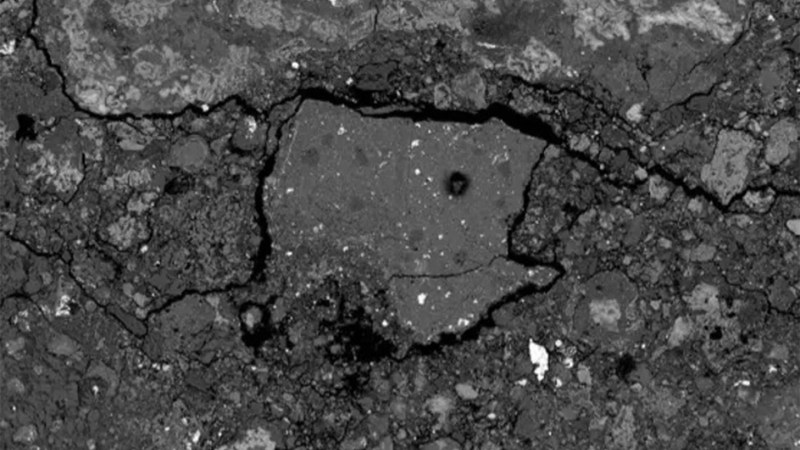
The 2024 New York City meteorite contains amino acids
The 2024 New York City meteorite, a rare brine-formed specimen that impacted a New Jersey residence, presents a compelling opportunity to investigate the potential origins of life. Initial analyses have revealed the presence of amino acids within the meteorite, critical building blocks for proteins. This discovery offers valuable empirical data for understanding how organic molecules may have been delivered to Earth. Further research, building on findings linking marine group extinctions to ocean conditions—as detailed in a recent *PHYS.

Solid-state fermented fish silage enhances nutritional performance, immune response, and intestinal histomorphology in juvenile European sea bass (Dicentrarchus labrax) fed plant protein diet
This study rigorously evaluated the impact of solid-state fermented fish silage on juvenile European sea bass (*Dicentrarchus labrax*) fed a plant-protein diet. Utilizing fish byproduct silage fermented with *Lactobacillus plantarum* (T3) demonstrated superior results across multiple parameters. Notably, T3 enhanced growth performance, feed utilization, immunological markers, and intestinal health, exhibiting the highest concentrations of key amino acids and optimal liver function. These findings validate solid-state fermentation as a promising strategy for improving aquaculture nutrition and sustainability.