U.S Sanctions Iran’s BitBank Over Bitcoin Payments Linked To Strait Of Hormuz Shipping Tolls
Our take

The recent U.S. sanctions against BitBank, an Iranian cryptocurrency exchange, for facilitating Bitcoin payments linked to shipping tolls through the Strait of Hormuz, represent a significant escalation in the ongoing financial pressures exerted on Iran. This action, directly targeting a digital asset platform allegedly used by financier Babak Zanjani to move funds for the Islamic Revolutionary Guard Corps (IRGC), highlights the evolving strategies employed to circumvent traditional financial sanctions. The Strait of Hormuz, a critical chokepoint for global oil trade, has long been a flashpoint for geopolitical tensions, and this development underscores the innovative methods employed to manage and conceal financial flows within that context. The situation is further complicated by recent events, such as Saudi Arabia’s decision to reroute crude oil exports through Oman [Oil Prices Fall 1.2% After Saudi Arabia Announces Crude Exports Via Oman Following Pipeline Attack], demonstrating a proactive response to potential disruptions and highlighting the vulnerability of traditional shipping routes. The complexities are compounded when considered alongside the ongoing challenges impacting global trade routes, specifically the reduced transit capacity of the Panama Canal due to severe drought conditions [Panama Canal To Cut Ship Transits Again Due To Severe Drought Linked To El Niño].
The utilization of Bitcoin and other cryptocurrencies to bypass sanctions is not new, but the scale and sophistication of this particular operation, allegedly involving hundreds of millions of dollars and a direct link to the IRGC, are noteworthy. This case illustrates the increasing challenge of tracking and interdicting illicit financial transactions in the decentralized world of digital assets. Traditional methods of financial surveillance are proving less effective against actors leveraging the anonymity and cross-border nature of cryptocurrencies. The fact that these transfers were purportedly linked to shipping tolls within the Strait of Hormuz introduces a particularly sensitive element, as it directly impacts a vital artery of global energy supply. Furthermore, incidents such as the U.S. destruction of Iranian boats attempting to seize a sea drone near the Strait [U.S Destroys Two Iranian Boats After Attempt To Seize Sea Drone Near Strait Of Hormuz] demonstrate the heightened security concerns and potential for escalation in the region, further complicating the financial landscape. The strategic importance of this waterway demands careful monitoring and innovative countermeasures.
The implications of this sanction extend beyond Iran and BitBank. It signals a renewed commitment from the U.S. to aggressively pursue entities facilitating sanctions evasion, regardless of the technological means employed. The increased scrutiny of cryptocurrency exchanges and their role in enabling illicit financial activity is likely to intensify globally. Expect to see further regulatory efforts aimed at enhancing transparency and compliance within the digital asset space. The case also emphasizes the importance of integrated data ecosystems – combining traditional financial intelligence with blockchain analytics – to effectively identify and disrupt illicit networks. The ability to correlate on-chain activity with real-world events, such as shipping transactions, is becoming increasingly crucial for law enforcement and regulatory bodies. The technical validation of these linkages, through empirical data and peer-reviewed analysis, remains paramount to ensuring the integrity of enforcement actions.
Looking ahead, the development raises a critical question: how will Iran adapt its financial strategies in response to this crackdown? Will it seek alternative cryptocurrencies, explore decentralized finance (DeFi) platforms, or develop entirely new methods of circumventing sanctions? The ongoing evolution of blockchain technology and the increasing sophistication of actors seeking to evade oversight suggest that this will be a cat-and-mouse game with potentially significant implications for global trade, energy markets, and geopolitical stability. The effective deployment of calibrated, longitudinal data collection and analysis will be essential to understanding and mitigating the risks associated with these evolving financial landscapes.
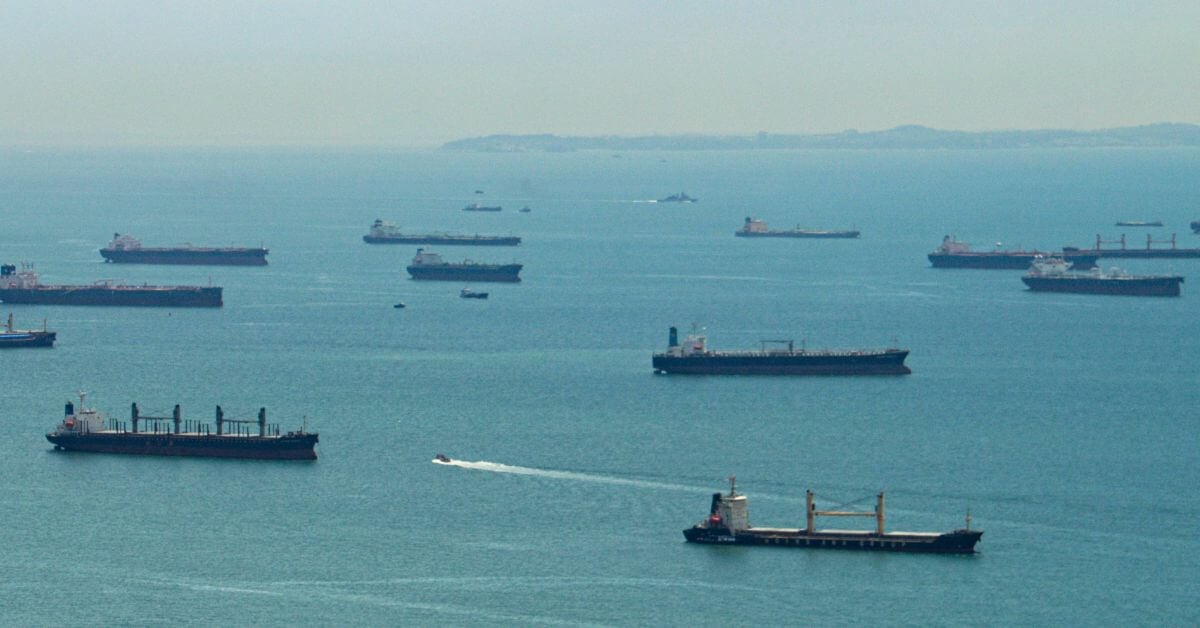
The United States sanctioned Iranian crypto exchange BitBank on Thursday, Sept. 17, accusing it of handling Bitcoin payments linked to ships using the Strait of Hormuz.
The US Treasury Department’s Office of Foreign Assets Control (OFAC) said BitBank had also helped move hundreds of millions of dollars in digital assets to Iran’s Islamic Revolutionary Guard Corps (IRGC).
It said the transfers were part of a network used by Iranian financier Babak Zanjani to move hundreds of millions of dollars in Bitcoin to the IRGC.
OFAC also sanctioned BitBank’s developer, Pishtaz Simorgh Electronic Trade Company, and three people it identified as associates of Zanjani.
They are Mohammad Mahdi Zaker Hossein, Hossein Ali Zaker Hossein, and Seyed Adel Heidari.
Treasury said BitBank is controlled by Zanjani. The United States had already sanctioned him over his alleged role in helping Iran avoid restrictions on oil and financial transactions.
Treasury described BitBank, Pishtaz Simorgh Electronic Trade Company and the three individuals as key parts of Iran’s digital-asset-based sanctions-evasion network.
The sanctions freeze any property or interests in property held by the designated parties that are within US jurisdiction. They also prevent US persons from doing business with them.
Foreign financial institutions and companies could also face sanctions if they knowingly carry out significant transactions involving the designated entities.
Treasury said BitBank had transferred hundreds of millions of dollars in digital assets to the IRGC.
It also said Hormuz Safe, an Iranian maritime-insurance and shipping-services platform previously sanctioned by the United States, used BitBank to process payments from vessels seeking to pass safely through the Strait of Hormuz.
Treasury has previously alleged that Hormuz Safe is part of an IRGC-backed scheme that requires vessels to buy maritime insurance to pass through the Strait.
The insurance also covers the risk of seizures by Iran itself.
The allegations connect the crypto payments to the financial arrangements surrounding commercial shipping in the Strait of Hormuz.
The waterway remains a major point of tension between the United States and Iran.
In August, the United States sanctioned Iranian crypto exchanges Shelbit and Aban Tether. It accused them of helping the Iranian regime avoid sanctions.
In June, Treasury sanctioned four Iranian crypto exchanges, including Nobitex, which it described as the country’s largest.
In July, the US government ordered the freezing of more than $130 million in USDt held in wallets linked to Iran.
Iran has also taken steps to deal with tighter financial restrictions.
Earlier this month, the Financial Times reported that Iran’s central bank had eased foreign-currency controls to encourage businesses to bring overseas earnings back into the country, including through cryptocurrency.
The BitBank sanctioned by the United States is separate from bitbank, inc., a fully licensed Japanese crypto exchange founded in 2014.
The Japanese exchange was acquired by SBI Holdings in June. Treasury said the Iranian BitBank was established in 2024.
References: jpost, tradingview
Read on the original site
Open the publisher's page for the full experience