U.S. President Donald Trump Renames Lake Ontario ‘Lake America’ Amid U.S.-Canada Trade War
Our take
The recent announcement by the U.S. President to unilaterally rename Lake Ontario as “Lake America” amidst ongoing trade tensions with Canada presents a curious, albeit concerning, development. While seemingly a symbolic gesture, the action highlights the potential for geopolitical maneuvering to extend into shared natural resources and underscores the complexities of international collaboration regarding vital waterways. This echoes recent events demonstrating heightened tensions in critical maritime zones; for example, an Indian Oil Tanker Turns Back After Iranian Warship Warning In Strait Of Hormuz illustrates the fragility of maritime trade routes and the impact of regional disputes. Similarly, the efforts of a Royal Navy Led Multinational Task Force Prevents 25 Piracy Attempts In Indian Ocean During 6-Month Deployment showcase the need for cooperative security measures to safeguard crucial sea lanes. The renaming of Lake Ontario, however, introduces a different dimension – one of political posturing affecting a shared ecological asset.
The significance of this situation extends beyond a simple name change. Lake Ontario, as its established name suggests, is a shared resource with deep historical and ecological ties to both the United States and Canada. Its watershed encompasses a vast area, impacting water quality, biodiversity, and the livelihoods of millions across both nations. Such a unilateral action disregards the long-standing, collaborative management frameworks that have governed the lake's health and use. Furthermore, it sets a troubling precedent for how shared natural resources might be treated in future international disputes. The Canadian response, rightly emphasizing the lake's historical name and enduring significance, is a crucial assertion of sovereignty and a reminder that shared environments require mutual respect and negotiated agreements. The situation’s complexity is compounded by the fact that control over waterways has historically been a source of conflict, as demonstrated by the recent Iran And Oman Reach Agreement On Strait Of Hormuz Control And Revenue Sharing, where even revenue sharing is a contentious issue.
From a scientific and ocean intelligence perspective, this event underscores the critical need for robust, data-driven frameworks to manage shared ecosystems, irrespective of political climates. The health of Lake Ontario, like that of any large body of water, is influenced by complex, interconnected factors – climate change, pollution, invasive species, and fluctuating water levels. These factors demand a collaborative, evidence-based approach to monitoring and mitigation. Politicizing the name of the lake risks undermining the scientific integrity of data collection and analysis, potentially hindering efforts to address pressing environmental challenges. The integrated data ecosystem necessary for effective stewardship requires transparency, shared methodologies, and a commitment to peer-reviewed research – elements that are inherently threatened by actions driven by political expediency. Validated, longitudinal data sets are essential for calibrating climate indicators and understanding the lake’s long-term health, and such efforts cannot be compartmentalized by arbitrary national boundaries.
Ultimately, the “Lake America” episode serves as a stark reminder of the delicate balance between political agendas and environmental stewardship. While trade disputes and geopolitical tensions are inevitable, the long-term health of shared resources like Lake Ontario, and indeed the global ocean, demands a commitment to collaboration and scientific rigor. The question moving forward is whether this symbolic act will lead to a broader erosion of international cooperation on environmental issues, or if it will galvanize a renewed emphasis on shared responsibility and data-driven decision-making in the face of increasing global challenges.
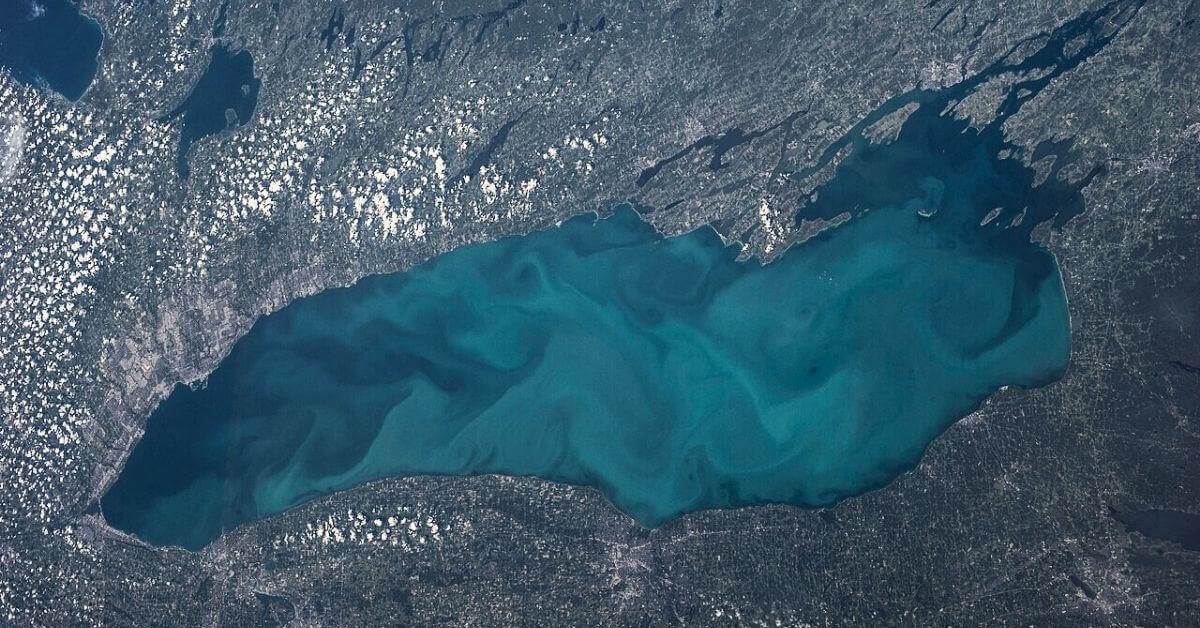
U.S. President Donald Trump on Thursday signed an executive order to rename Lake Ontario “Lake America.”
The order tells Interior Secretary Doug Burgum to update the U.S. Geographic Names Information System with the new name.
The change is for U.S. federal use only. Canada and international groups do not have to use the new name.
Trump announced the change in the Oval Office before signing the order.
Canadian Prime Minister Mark Carney said Canada would continue to call it Lake Ontario. In a post on X, he said the name was more than 400 years old and would remain in use in Canada.
The move comes after trade talks between the U.S. and Canada broke down last week.
The United States recently imposed tariffs of up to 50% on Canadian goods, including wine, furniture and dairy products.
Canada responded with tariffs of up to 50% on U.S. goods, starting Sept. 8.
Canada said on Wednesday that it would lower some tariffs on U.S. seafood and fish to limit the impact on its economy.
Carney warned that the new tariffs could raise prices and give consumers fewer choices.
Trump rejected concerns that the tariffs would make goods more expensive in the U.S. He said the U.S. trade deficit with Canada was too high.
Trump also accused Canada of unfair trade practices and said the United States had defended Canada without getting enough in return.
He has repeatedly suggested that Canada should become the 51st U.S. state, a proposal that has angered Canadian officials.
EFFECTIVE IMMEDIATELY: Lake Ontario is renamed to LAKE AMERICA!
pic.twitter.com/ZFww8PexiW
— The White House (@WhiteHouse) August 27, 2026
Lake Ontario and Great Lakes shipping
Lake Ontario is the easternmost of the five Great Lakes. It is bordered by Canada’s Ontario province to the north and New York state to the south.
The Great Lakes are the world’s largest freshwater system and are used for commercial shipping, recreation and other activities.
Lake Ontario has had its name for more than 400 years. Carney said the name comes from the Wendat word “Ontari’io,” referring to the lake as beautiful and large. Another source says it comes from the Iroquoian word “oniatarí,” meaning “lake of shining waters.”
Trump’s order calls Lake Ontario an important U.S. asset. It says U.S. security and investment help keep the Great Lakes open for shipping, recreation and other uses.
The order says the U.S. Coast Guard operates nine of the 11 icebreakers on the Great Lakes. They help keep commercial shipping routes open without charging for the service.
It also says the United States has spent nearly $4 billion over the past 10 years to protect the Great Lakes. The order says Canada has spent much less on similar efforts.
The name change does not affect the lake itself or its role in Great Lakes shipping. Canada will continue to call it Lake Ontario.
Trump has also renamed Gulf of Mexico
Trump’s Lake Ontario order is the second time he has told the U.S. government to change the name of a major body of water.
On the first day of his second term, Trump ordered the government to use “Gulf of America” instead of Gulf of Mexico.
The Gulf of Mexico has been known by that name since the 16th century. The U.S. move faced opposition outside the country, and some media organisations said they would continue to use the name Gulf of Mexico.
Trump also joked that the Atlantic and Pacific oceans could be next.
Some Democratic politicians also mocked the decision.
When asked why he wanted to rename Lake Ontario, Trump first said there was no message behind the move. He then criticised Canada over trade.
Illinois Governor JB Pritzker joked on X that Trump Tower in Chicago should be renamed “NATALIE TOWER,” referring to a recent controversy involving presidential aide Natalie Harp.
Wisconsin Governor Tony Evers posted a video of himself at a McDonald’s signing a napkin marked “Lake Wisconsin.” He joked that he had renamed Lake Michigan.
References: Fox News, CNBC
Read on the original site
Open the publisher's page for the full experience