U.S Coast Guard Inquiry Finds Port Safety & Infrastructure Gaps After Baltimore Key Bridge Disaster Involving MV Dali
Our take
The U.S. Coast Guard’s inquiry into the Baltimore Key Bridge collapse, involving the MV Dali, underscores a critical vulnerability within our nation’s port infrastructure and a concerning underutilization of existing risk assessment tools. The report’s findings, highlighting gaps in proactive vulnerability assessment and mitigation, are particularly pertinent given recent events elsewhere. The ongoing investigation into a detained sanctioned tanker in Yemen, Yemen Detains Sanctioned Tanker After Armed Guards Fire On Coast Guard Patrol Following Houthi Port Call, serves as a stark reminder of the complex geopolitical and security challenges impacting maritime operations globally. Similarly, the charges filed against the master and pilot following a fatal collision off Sweden, Master And Pilot Of Cargo Ship Charged After Fatal Collision Off Sweden That Killed 2, demonstrates that human error and navigational miscalculations remain significant factors in maritime incidents, regardless of technological advancements. These incidents collectively point to a need for enhanced vigilance and a more integrated approach to maritime safety.
The core issue identified by the Coast Guard isn’t necessarily a lack of technology – the report doesn't suggest that the Dali lacked adequate safety systems – but rather a systemic failure to adequately incorporate risk assessments into port operations and infrastructure planning. The underutilization of waterway risk assessment tools signifies a reactive, rather than proactive, approach to safety. This is especially concerning given the increasing complexity of global trade routes, the larger size of container vessels, and the growing frequency of extreme weather events linked to climate change. The evolving nature of maritime risks, as demonstrated by collaborative efforts like the CMA CGM, Bureau Veritas & SDARI Partner On AI-Powered Container Vessel Concept, indicates a shift towards leveraging artificial intelligence and data-driven insights for enhanced vessel performance and safety – a shift that clearly hasn’t been fully realized across all port operations. The Key Bridge disaster should be viewed as a catalyst for a fundamental reassessment of how we assess, manage, and mitigate risks within our port systems.
The implications of the Coast Guard’s findings extend beyond Baltimore. The vulnerability of port infrastructure, whether to vessel collisions, cyberattacks, or extreme weather, represents a significant threat to global supply chains and economic stability. A more robust and integrated data ecosystem, leveraging real-time data from multiple sources – including vessel tracking systems, weather forecasts, and structural integrity sensors – is crucial for developing a comprehensive understanding of potential risks. This requires a collaborative effort involving government agencies, port authorities, shipping companies, and technology providers. Validated, longitudinal data on port infrastructure performance, combined with empirical analysis of historical incidents, can inform more effective risk mitigation strategies and infrastructure upgrades. Furthermore, the report emphasizes the need for calibrated response protocols, ensuring that port personnel are adequately trained and equipped to handle emergencies effectively.
Moving forward, a critical question arises: how can we incentivize and facilitate the widespread adoption of proactive risk assessment practices across all U.S. ports? The Coast Guard's inquiry is a necessary first step, but it must be followed by concrete actions, including regulatory changes, increased funding for infrastructure improvements, and the development of standardized risk assessment methodologies. The ability to generate ocean intelligence—meaning deriving actionable insights from integrated data—will be essential. The Baltimore tragedy serves as a sobering reminder that the safety and resilience of our port infrastructure are not guaranteed; they require continuous investment, innovation, and a commitment to a data-driven, collaborative approach to maritime safety.
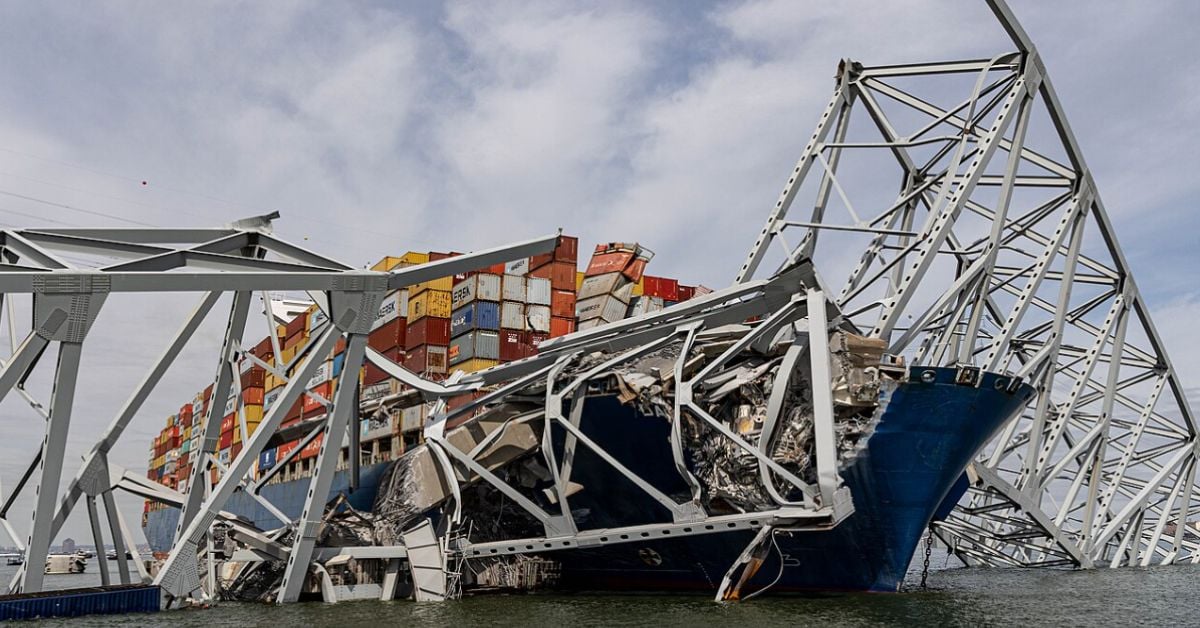
The U.S. Coast Guard has released the Ports and Waterways Safety Act Board of Inquiry (BOI) report following the March 26, 2024, allision of the Motor Vessel Dali with the Francis Scott Key Bridge, which resulted in six deaths, the bridge’s catastrophic failure, and the prolonged closure of the Port of Baltimore.
The BOI evaluated risks to critical port infrastructure posed by larger commercial vessels and increased traffic, conducted vulnerability assessments for 11 ports, reviewed the effectiveness of Coast Guard waterways risk assessment tools, and provided recommendations to the Coast Guard Commandant.
To meet its mandate, the Board developed a comprehensive process that included port visits, engagement with port partners, vessel movement analysis, and review of historic assessment tool usage. The Board also conducted a policy review and gathered feedback from 41 Captain of the Port zones, resulting in 20 recommendations for systemic improvement.
The final report highlights the underutilization of waterway risk assessment tools and the vulnerability of port infrastructure to evolving risks within the Marine Transportation System (MTS). The Board found an increased assumption of unanticipated risk by port authorities.
Key recommendations include reviewing and updating Coast Guard risk assessment policy and tools, identifying and monitoring MTS metrics, developing the Coast Guard workforce to manage and respond to MTS risk, and collaborating with port partners to implement mitigation strategies.
“The tragic Key Bridge incident underscores the urgent need to strengthen our approach to port safety and risk management,” said Rear Adm. Wayne Arguin, Chair of the Board of Inquiry. “The Board’s findings and recommendations provide a roadmap to enhance the resilience of our ports and ensure the continued security of the Marine Transportation System.”
Implementation of these strategies is essential to achieving the long-term safety and security of the nation’s MTS, which is critical to minimising impacts to the system and the global shipping economy.
To help inform the way forward on the Board’s findings and recommendations, the Coast Guard will collect stakeholder input until February 28, 2027, which can be submitted via email to BOIComments@uscg.mil.
The Coast Guard will leverage all input received to help adjudicate the BOI’s recommendations and develop the Commandant’s Final Action Memorandum (FAM). The FAM, which is anticipated for public release in August 2027, will describe the Coast Guard actions to be taken in response to the BOI.
Press Release
Read on the original site
Open the publisher's page for the full experience