Yemen Detains Sanctioned Tanker After Armed Guards Fire On Coast Guard Patrol Following Houthi Port Call
Our take
The detention of the sanctioned tanker following an incident involving armed guards and a Yemeni Coast Guard patrol highlights a rapidly escalating complexity within the Red Sea shipping landscape. This event, occurring shortly after a Houthi port call, underscores the precariousness of maritime trade routes and the potential for miscalculation in a region already fraught with geopolitical tension. The ongoing investigation into the vessel’s voyage, cargo, and documentation, as well as its entry into Ras Isa, is crucial for establishing a clear understanding of the events and identifying any violations of international law or sanctions regimes. The incident echoes recent escalations, including Iran’s threats to establish an Iran Threatens To Set Up ‘Exclusion Zone’ Near War-Torn Strait Of Hormuz Following Tanker Attacks and the broader concerns surrounding maritime security in the Persian Gulf, demonstrating a pattern of assertive actions impacting global shipping. Furthermore, Russia’s recent demonstration of Arctic shipping capabilities, as seen in Russia Ships First Crude From Its Giant Vostok Oil Project Through Arctic, underscores the shifting dynamics of energy transport and the potential for alternative routes, though these too present their own challenges.
The implications of this incident extend far beyond the immediate disruption to shipping lanes. The fact that the vessel was already sanctioned suggests a deliberate attempt to circumvent restrictions, potentially linked to ongoing conflicts or illicit trade. The use of armed guards, and subsequent firing on a Coast Guard patrol, raises serious questions about the chain of command, operational protocols, and the potential for escalation. The investigation’s findings will likely have significant ramifications for maritime security practices, potentially leading to stricter enforcement of sanctions, increased scrutiny of vessel operations, and a reevaluation of the role of private armed security contractors on commercial ships. The situation also presents a challenge for international legal frameworks, as it necessitates a clear determination of responsibility and accountability under international maritime law, particularly concerning the use of force at sea. COSCO’s recent denial of U.S. allegations regarding espionage equipment on its ships COSCO Denies U.S. Allegations That Its Ships Used Concealed Equipment To Spy For Beijing adds another layer of complexity, highlighting the broader concerns about surveillance and potential misuse of maritime infrastructure.
The Red Sea's strategic importance as a vital trade artery connecting Asia and Europe makes it a focal point for geopolitical maneuvering and a vulnerable chokepoint for global supply chains. Disruptions in this region can have cascading effects on global trade flows, energy prices, and insurance costs. The increasing frequency of incidents involving naval vessels, armed groups, and commercial ships points to a growing risk of maritime conflict and the potential for further escalation. It is imperative that all stakeholders—including shipping companies, governments, and international organizations—work collaboratively to de-escalate tensions, enhance maritime security, and ensure the safe and reliable flow of goods through this critical waterway. A reliance on empirical data and real-time monitoring of vessel movements and port activities is paramount in mitigating these risks and fostering a more predictable and secure maritime environment. The integrated data ecosystem is crucial for providing the ocean intelligence needed to make informed decisions and respond effectively to emerging threats.
Looking ahead, the question becomes whether this incident represents an isolated event or a harbinger of a more protracted period of instability in the Red Sea. The ongoing conflict in Yemen, coupled with regional power struggles and the increasing assertiveness of non-state actors, creates a volatile environment where miscalculations can have far-reaching consequences. A longitudinal analysis of maritime incidents in the region, calibrated against geopolitical developments, will be essential for understanding the evolving risks and developing effective mitigation strategies. The international community must prioritize diplomatic efforts to resolve the underlying conflicts and establish clear rules of engagement for maritime operations in the Red Sea, ensuring the continued flow of essential goods and safeguarding the stability of the global economy.
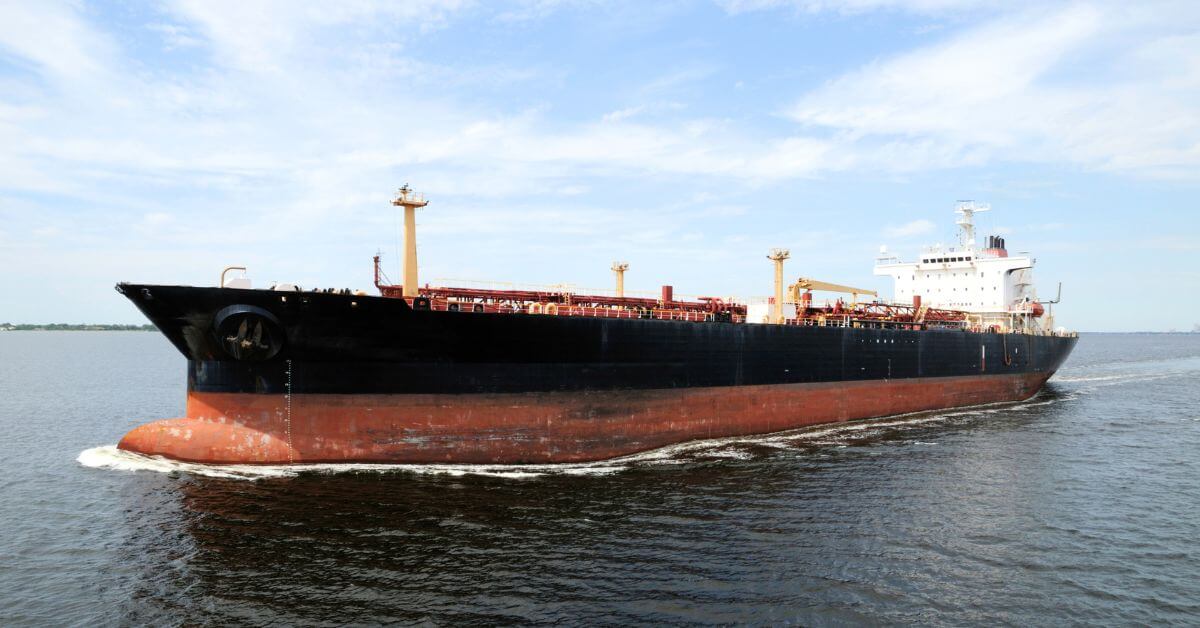
The Yemeni Coast Guard has detained the Comoros-flagged tanker NEREIDA in the Gulf of Aden after it unloaded cargo at the Houthi-controlled Ras Isa port without government approval.
The tanker was stopped after leaving Ras Isa and heading toward the Bab al-Mandab Strait. Authorities said the tanker first refused to stop when ordered.
Armed personnel on board then fired at a Coast Guard patrol boat. The tanker later stopped and was escorted to Aden.
Yemen’s Coast Guard Authority said NEREIDA had entered Ras Isa in Al-Hudaydah governorate and unloaded its cargo without approval from the Yemeni government.
The tanker did not follow orders to stop, authorities said. Armed security personnel aboard then opened fire toward the patrol boat.
NEREIDA Switched Off AIS
The Coast Guard said NEREIDA switched off its Automatic Identification System (AIS) during parts of its voyage.
The vessel’s AIS signal briefly appeared again south of Hodeidah after it left Ras Isa and headed toward the Bab al-Mandab Strait.
The Coast Guard later intercepted the tanker in the Gulf of Aden.
Authorities have started an investigation into the voyage, cargo and ship documents. They are also looking into the vessel’s entry into Ras Isa.
The investigation will also cover the AIS shutdown, the tanker’s initial refusal to stop and the shooting involving the Coast Guard patrol.
Cargo Unloaded Without UNVIM Procedures
Yemen’s Coast Guard Authority said NEREIDA unloaded its cargo at Ras Isa without prior government approval. It also said the vessel did not follow the required UNVIM procedures.
UNVIM was set up in December 2015 at the request of the Yemeni government. It checks vessels and cargo heading to Yemeni ports outside government control and ensures they comply with UN Security Council Resolution 2216.
UNVIM is based in Djibouti and managed by the UN Office for Project Services. It handles clearance and inspection procedures for commercial vessels bound for these ports.
The Yemeni government suspended clearances for Ras Isa in June 2017. UNVIM currently issues clearances for Hodeidah and Saleef.
Ras Isa is controlled by the Houthi group.
NEREIDA Is Under U.S. Sanctions
NEREIDA is under U.S. sanctions. Yemeni authorities said the tanker is also listed under its former name, PETERPAUL.
The vessel was built in 1998. It is a 35,994-dwt chemical/products tanker and is 175 metres long.
It was sailing under the Comoros flag when it was intercepted.
NEREIDA was taken to the port of Aden after the interception.
No casualties have been reported. The Houthi group has not commented on the incident.
References: AA, yemenmonitor
Read on the original site
Open the publisher's page for the full experience