They were drilling off Oregon. What they found could shake the entire West Coast
Our take
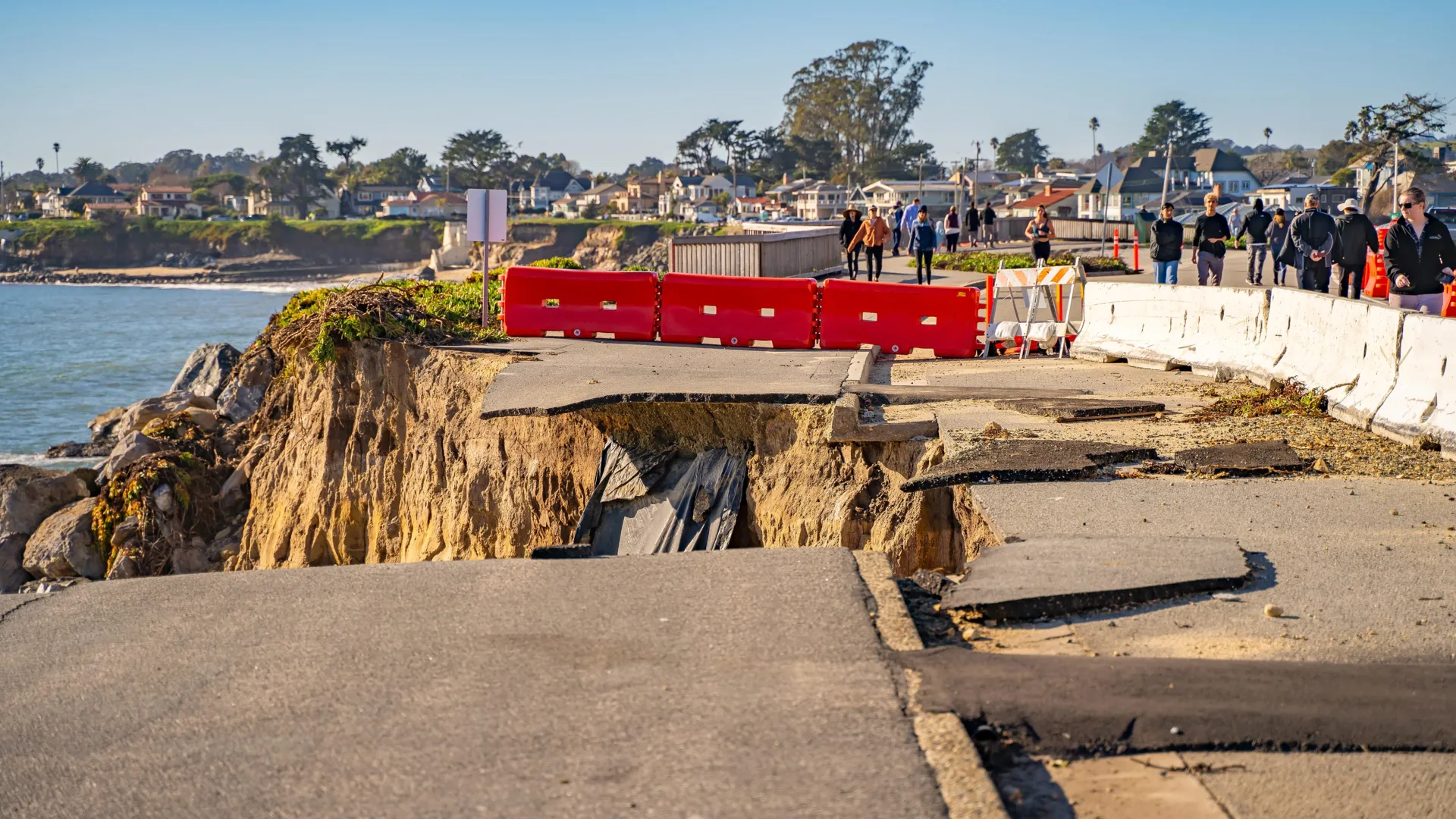
The recent findings regarding a potential link between the Cascadia Subduction Zone and the San Andreas Fault represent a significant development in our understanding of seismic risk along the West Coast. Scientists analyzing sediment layers documenting underwater landslides have uncovered evidence suggesting that major earthquakes in the Cascadia region could trigger subsequent events on the San Andreas, a scenario previously considered less likely. This discovery builds upon existing research – such as the exploration of brine-formed meteorites which may shed light on the origins of life The 2024 New York City meteorite contains amino acids – highlighting the interconnectedness of geological systems and the complex interplay of forces shaping our planet. Understanding these interconnected systems is crucial; as demonstrated by recent research linking mass extinctions to ocean conditions PHYS.Org: Researchers link the mass extinction of once-dominant marine groups to intolerable heat, diminished oxygen in oceans, even seemingly isolated events can have cascading consequences.
The implications of this research are far-reaching and demand a re-evaluation of current seismic hazard assessments. The Cascadia Subduction Zone is known to generate massive earthquakes, and the possibility of a triggered event on the San Andreas – a fault capable of producing equally destructive quakes – exponentially increases the potential for widespread devastation. This isn’t simply a matter of increased magnitude; it’s the potential for a spatially extensive earthquake sequence, impacting a larger geographic area than previously anticipated. The documented historical patterns of simultaneous or closely-spaced ruptures, revealed through the sediment analysis, provide empirical evidence supporting this new concern. Furthermore, the sheer scale of the potential impact underscores the need for enhanced monitoring and preparedness efforts, particularly in densely populated coastal regions. Close observation of even seemingly small, localized phenomena, like the detailed study of tide pools Close Up Tide Pools, can provide valuable insights into larger geological processes.
The scientific rigor underpinning this discovery is noteworthy. The reliance on longitudinal data derived from sediment layers offers a unique and validated perspective, extending far beyond the limitations of instrumental records. This calibrated approach allows researchers to reconstruct past earthquake sequences with greater accuracy and identify patterns that might otherwise remain undetected. The peer-reviewed nature of the underlying research reinforces the credibility of these findings, ensuring a thorough examination of methodologies and results. This emphasis on empirical data and rigorous analysis is central to World Data Ocean’s commitment to disseminating validated scientific knowledge, particularly concerning critical issues like seismic risk. The integrated data ecosystem we foster is designed to facilitate precisely this kind of interdisciplinary research, connecting disparate data streams to reveal previously hidden relationships.
Looking ahead, the immediate priority should be to refine our understanding of the mechanisms driving this potential triggering effect. Further research is needed to identify the specific geological conditions that favor a coupled rupture scenario and to develop more accurate models for predicting the timing and magnitude of such events. It is vital to move beyond simply acknowledging the possibility of a linked earthquake sequence and to develop strategies for mitigating the associated risks. The question remains: how can we leverage this new knowledge to enhance infrastructure resilience, improve emergency response plans, and ultimately, safeguard communities along the West Coast against the full impact of a potential coast-wide seismic event?
Read on the original site
Open the publisher's page for the full experience