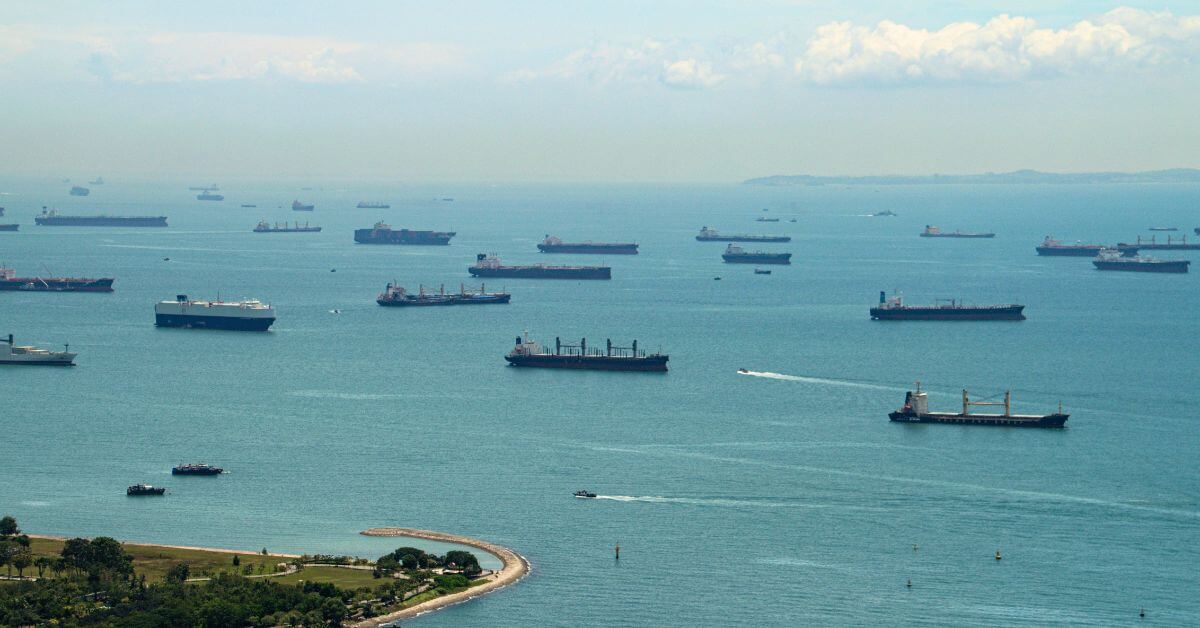
The potential reopening of the Strait of Hormuz, as indicated by recent developments, represents a significant moment for global maritime stability. This critical waterway, a vital artery for international trade and energy transport, has recently experienced periods of heightened tension. The international community’s measured welcome underscores a widespread recognition of the economic and geopolitical implications of its accessibility. While the prospect of renewed transit is a positive step, the emphasis on adherence to the terms of any agreement highlights a collective understanding of the fragility of such arrangements. For World Data Ocean, this situation underscores the paramount importance of robust, real-time data and integrated ocean intelligence to monitor and validate maritime traffic and environmental conditions, ensuring that stability is not merely an aspiration but a measurable reality.
Our approach to understanding such complex geopolitical shifts is rooted in empirical observation and data-driven analysis. The Strait of Hormuz is more than just a geographical chasm; it is a nexus of global economic activity, where disruptions can have cascading effects far beyond the immediate region. The ability to track vessel movements, analyze shipping patterns, and correlate these with geopolitical indicators provides a calibrated perspective on the actual state of maritime security. This validated data allows for an objective assessment of whether stated intentions translate into tangible actions on the water. It moves beyond rhetoric to provide a clear, accessible picture of the ground truth, enabling informed decision-making for policymakers, researchers, and all stakeholders invested in a secure and predictable global trade environment.
The long-term implications of this development necessitate a continued focus on comprehensive ocean monitoring. The reopening, if sustained, offers an opportunity to re-establish consistent trade flows. However, the underlying geopolitical currents that led to the Strait’s recent volatility remain. World Data Ocean’s commitment to fostering a global, collaborative ecosystem for ocean data means we are uniquely positioned to provide the longitudinal insights needed to track the ongoing impact of this event. By integrating data from diverse sources, we can offer a holistic view of maritime activity, environmental health, and the interconnectedness of these factors. This scientific integrity is crucial for understanding not just the immediate reopening, but the broader trajectory of ocean stewardship and the resilience of our planet’s most vital resource.