Somali Navy Rescues All 18 Crew After Cargo Ship Jacuar Runs Aground En Route To Egypt
Our take
The recent grounding of the cargo ship *Jacuar* off the Somali coast, and the subsequent successful rescue of its 18 crew members by the Somali Navy, highlights the ongoing complexities of maritime operations in a region facing persistent security challenges. While the immediate outcome—the safe return of the crew—is undoubtedly positive, the incident underscores the vulnerabilities inherent in global shipping lanes and the crucial role of regional maritime security forces. The fact that water entered the vessel, as reported by the Ministry of Ports and Maritime Transport, necessitates a thorough investigation into the cause of the grounding, which could range from navigational errors to unforeseen environmental factors. This event also resonates with broader trends in maritime safety, particularly when considering recent incidents such as the recovery of a captain’s body two weeks after a ship collision in the Sea of Marmara Captain’s Body Recovered 2 Weeks Following Ship Collision In The Sea Of Marmara, demonstrating the unpredictable nature of maritime environments and the potential for human error or mechanical failure. The increased focus on vessel safety and operational resilience, exemplified by innovations like the World’s First Hydrogen-Fueled Engine for Large Commercial Vessels Reduces GHG Emissions By Over 95%, further emphasizes the need for robust preventative measures.
The Somali Navy’s response is a significant development, reflecting the ongoing efforts to bolster maritime security capabilities in the region. Historically, piracy has posed a serious threat to international shipping off the Somali coast, requiring sustained international naval patrols. While piracy incidents have decreased in recent years, the underlying risks remain, and the ability of regional forces like the Somali Navy to respond effectively to incidents like the *Jacuar* grounding is crucial for maintaining stability. The presence of such a capable force contributes to a safer maritime environment, fostering confidence among shipping companies and facilitating the flow of goods. Furthermore, the introduction of new vessels to regional fleets, like the First Additional Large Vessel ‘Judy LaMarsh’ Joins The Great Lakes Region In More Than 3 Decades, illustrates a broader trend towards strengthening maritime infrastructure and capacity globally, though its relevance to the Somali context is primarily symbolic. The grounding itself is a reminder that even with advanced technology and heightened security measures, the maritime environment remains inherently unpredictable and demands constant vigilance.
The incident also carries implications for global supply chains, which are heavily reliant on the safe and efficient movement of goods by sea. Disruptions to shipping routes, even temporary ones, can have cascading effects on economies worldwide, impacting trade, prices, and availability of essential goods. The *Jacuar* grounding, while relatively isolated, serves as a microcosm of the broader vulnerabilities within the global maritime system. Accurate real-time data regarding vessel locations, environmental conditions, and potential threats is paramount for mitigating risks and ensuring operational safety. Integrated data ecosystems, leveraging empirical data and calibrated predictive models, are increasingly vital for proactive risk management and informed decision-making. The ability to rapidly assess and respond to incidents like this highlights the need for continued investment in maritime surveillance technologies, enhanced communication networks, and robust emergency response protocols.
Looking ahead, the long-term implications of climate change on maritime operations will likely intensify the challenges faced by vessels and regional security forces. Rising sea levels, increased frequency of extreme weather events, and shifts in ocean currents can all impact navigational safety and increase the risk of groundings and other incidents. Understanding these climate indicators through longitudinal data collection and analysis is essential for developing adaptive strategies and ensuring the resilience of the global maritime system. The question remains: how can we leverage ocean intelligence and collaborative data sharing to proactively mitigate the escalating risks posed by a changing climate and ensure the continued safety and security of maritime trade routes worldwide?
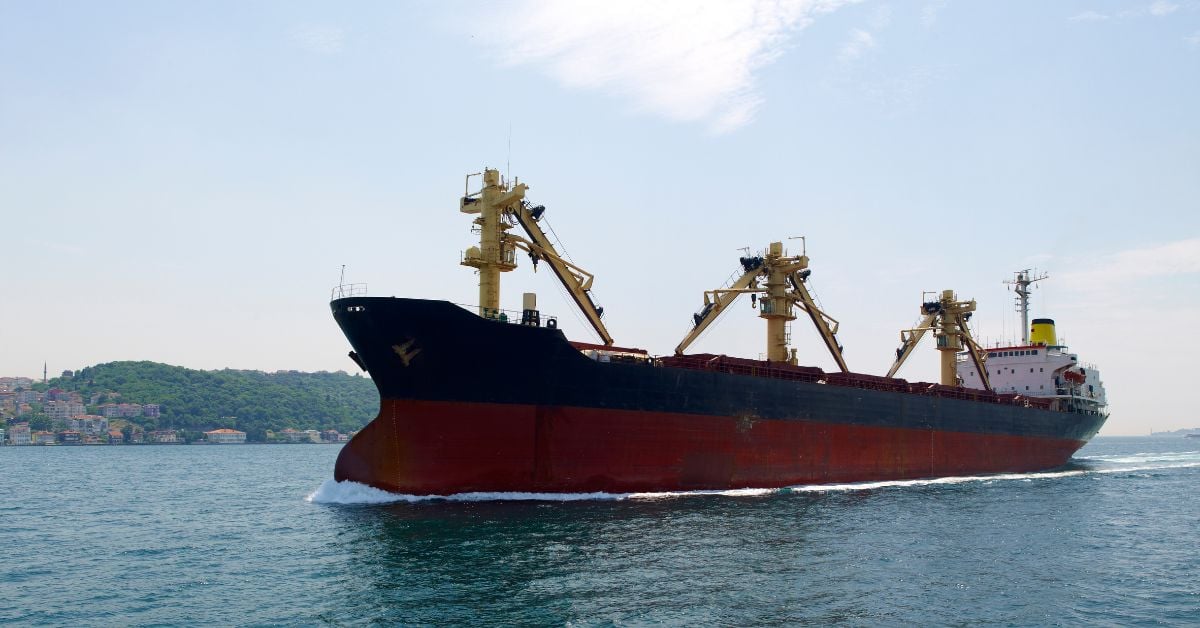
Somalia’s navy has rescued all 18 crew members from the cargo ship Jacuar after the vessel ran aground and started taking on water while sailing from Mozambique to Egypt.
The Ministry of Ports and Maritime Transport said on September 17 that it was monitoring the ship after water entered part of the vessel.
The crew members were from India, Syria and Egypt.
According to some media reports, the ship had capsized, but Somali officials have not confirmed this. They have also not said exactly where the incident took place.
The vessel was carrying about 7,007.73 tonnes of cargo on a voyage from Nacala Port in Mozambique to Adabiya Port in Egypt.
Somalia’s maritime authority said Jacuar ran aground after water entered the ship. It did not give a reason for the grounding or say what cargo the vessel was carrying.
The ministry said it was working with other agencies on the emergency response and rescue.
Jacuar is a general cargo ship built in 1998. It is about 100.64 metres long and 18.8 metres wide, with a summer deadweight of 8,556 tonnes.
The ship is registered in Basseterre under the Saint Kitts and Nevis flag. Vessel databases list Brothers Maritime Trading Co in Mersin, Turkey, as its registered owner. Sonar Shipping & Management is listed as the ship manager and ISM manager.
Before this voyage, Jacuar had called at several ports in the region, including Al Adabiyah in Egypt, Jeddah in Saudi Arabia and Djibouti.
The ship has also had previous problems during port inspections.
Egyptian authorities found deck corrosion and faulty engine-room gauges during an inspection in December 2025.
Jordanian authorities detained Jacuar in September 2024 and again in April 2025 over safety concerns.
Somalia is rebuilding its naval forces after years of limited activity.
Somali media reported in April 2025 that President Hassan Sheikh Mohamud had appointed a new naval commander. The appointment came after the Somali National Army operated without a naval component.
Per reports, the navy had been largely dormant since the early 1990s. Recruitment efforts reportedly started around 2022. The commander appointed in 2025 said he wanted to speed up the expansion of the force.
Mohamud has also said he wanted to revive Somalia’s air force.
Somalia has been working on other parts of its maritime-security system as well.
In July, the European Union said it had held a 10-day Coast Guard Border Police and Maritime Crimes Course in Mogadishu. Coast guard and navy personnel, along with police officers, took part.
The Ministry of Ports and Maritime Transport has also been working on a new vessel documentation system. The system is intended to ensure that registered vessels carry official national identification when operating in domestic and international waters.
The International Maritime Organisation has reported 24 attacks, including attempted and successful incidents, in the previous three months, according to the information provided.
Six merchant vessels and more than 90 seafarers are also reported to be held hostage by pirates in the region.
Somalia’s Upper House of Parliament has approved an Anti-Piracy and Anti-Kidnapping Bill. The bill is now awaiting presidential assent.
References: ftlsomalia, axadletimes
Read on the original site
Open the publisher's page for the full experience