Russian Fishing Vessel With 41 Crew Partially Loses Stability & Sinks At Uruguay’s Port of Montevideo
Our take
The recent incident involving a Russian fishing vessel partially sinking at Uruguay’s Port of Montevideo highlights a recurring, and often underestimated, vulnerability within the global maritime ecosystem. While seemingly isolated, this event echoes broader concerns about vessel stability, maintenance standards, and the potential for cascading environmental and economic impacts. Similar incidents, such as the recent Oil Spill Concerns Grow As Tug Carrying 15,000 Litres Of Diesel Sinks Off Zambales, Philippines, demonstrate the immediate threat posed by maritime accidents, particularly those involving the release of pollutants. The circumstances surrounding the Montevideo incident – the cause of the instability remains under investigation – underscore the importance of rigorous pre-departure inspections and adherence to international maritime regulations. The sheer scale of the global fishing fleet, and the often-challenging operational environments in which these vessels operate, create inherent risks that demand constant vigilance.
The incident also intersects with geopolitical complexities. The vessel’s Russian flag, occurring amidst ongoing international tensions, inevitably invites scrutiny. While the incident itself may be unrelated to these tensions, it serves as a reminder of the interconnectedness of global maritime trade and the potential for seemingly localized events to carry wider implications. The ongoing conflict in the Black Sea, as evidenced by the tragic Turkish Seafarer Dies After Drone Hits Ship That Rescued Him From Earlier Black Sea Attack, demonstrates the vulnerability of maritime operations to geopolitical instability and the need for enhanced safety protocols in high-risk zones. Furthermore, the scale of the fishing industry itself—and the demand for resources it places on ocean ecosystems—requires a commitment to sustainable practices and responsible vessel operation to mitigate environmental harm. Canada’s investment in a fleet of icebreakers, as detailed in Canada Announces Largest Shipbuilding Contract In Quebec’s History For Six Polar Class 3 Icebreakers, suggests a growing awareness of the need for robust maritime infrastructure, but this needs to be coupled with proactive measures to prevent accidents like the one in Montevideo.
The potential environmental consequences of this partial sinking are significant, though currently unclear. The type and quantity of cargo carried by the vessel, as well as the extent of any fuel leakage, will be crucial factors in determining the impact on the local marine environment. Real-time monitoring of water quality and the deployment of containment measures are essential to minimize any long-term ecological damage. This incident reinforces the need for an integrated data ecosystem capable of rapidly assessing risks and coordinating response efforts. Validated, empirical data on vessel condition, cargo manifests, and environmental conditions are critical for informed decision-making. The incident also highlights the importance of calibrated risk assessments that account for the specific vulnerabilities of vessels operating in different regions and under varying conditions. Longitudinal data sets tracking vessel performance and incident rates could provide valuable insights for improving safety protocols and identifying areas for targeted intervention.
Ultimately, the partial sinking of the Russian fishing vessel in Montevideo serves as a stark reminder of the fragility of maritime operations and the interconnectedness of global systems. Moving forward, a focus on proactive risk mitigation, enhanced data transparency, and international collaboration is paramount. The question remains: can we develop a robust, integrated ocean intelligence network—leveraging both orbital and in-situ data—to anticipate and prevent similar incidents before they occur, safeguarding both human lives and the health of our oceans?
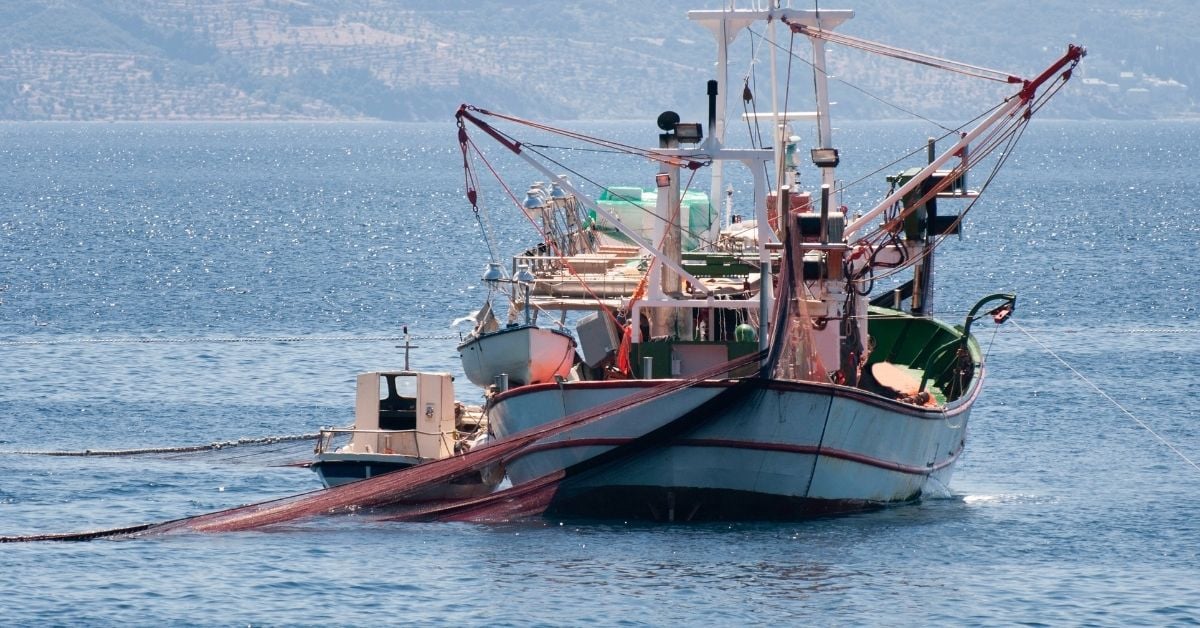
A fishing vessel, sailing under the flag of Russia, lost stability while berthed at Uruguay’s Port of Montevideo.
After it listed dangerously to one side on August 25, 2026, all 41 crew of the Alpha Crux were safely evacuated from the sinking ship, according to Uruguay’s National Ports Administration.
A probe into determining the cause of the incident has begun and is being led by the country’s national naval prefecture. The body wants to ascertain if internal operations or fuel transfers led to instability.
Following the accident, berth 7 was secured and environmental-response processes were also implemented.
Containment booms were placed around the fishing vessel, and pumps were also brought to recover oily fluid from the water.
It is yet to be determined whether the liquid is bilge water or oil from a leakage. The owner of the fishing vessel has contacted its insurer for arranging salvage and recovery, with work expected to begin soon.
The 50 m long fishing vessel was constructed in 2003 in Spain; however, it is registered in Russia’s Vanino.
Read on the original site
Open the publisher's page for the full experience